
.svg)

Summer Lawn Care Tips for West Hartford

The best summer lawn care tips for West Hartford come down to three habits: water deep and infrequently, hold off on fertilizer through peak heat, and keep an eye on disease and pest pressure as July turns into August.
Get that rhythm right, and your lawn coasts through the hottest stretch of the year instead of fighting it. A healthy lawn in hot weather comes down to matching care to conditions, and no two yards handle summer the same way.
West Hartford lawn care means shaded and sun-exposed sections often need different plans, something our Connecticut summer lawn care guide breaks down further for lawns statewide.
Key Takeaways
- Water 1 to 1.5 inches per week in two deep sessions rather than daily light watering
- Hold off on fertilizer during peak summer heat; the better window is early fall
- A whole-lawn fade to tan during a hot, dry stretch is usually dormancy, not death
- Grub Control matters most late July through August, when eggs hatch
- Tick Control should run through summer, when nymph activity and Lyme risk both peak
- Shaded and sun-exposed sections of the same property often need different summer care
6 Summer Lawn Care Tips for West Hartford Homeowners
These summer grass care tips apply across West Hartford, in full sun or under mature shade.
1. Water thoroughly
Watering the lawn in summer comes down to depth and timing, not frequency. For example, a cool season lawn in West Hartford needs about 1 to 1.5 inches per week, in two deep sessions instead of daily sprinkling.
West Hartford's clay-heavy soil holds water longer than sandier ground near the Park River. Thus, overwatering clay can stress a lawn as much as underwatering it.
2. Treat sun and shade differently across the property
West Hartford splits evenly between open, full-sun yards and shaded, tree-canopy properties. Older neighborhoods near Elizabeth Park and the town center have mature tree cover that keeps soil cooler and slows drying, while newer sections receive direct afternoon sun.
Now, you must know that shaded lawns are more prone to the fungal disease pressure covered below. Mostly because the damp turf holds humidity longer after rain.
However, the open, sun-exposed lawns dry out and show drought stress faster. That is the reason why one summer plan for both often works against one of them. Uneven color between sun and shade can also be one of the reasons a neighbor's lawn can look better than yours.
3. Learn to tell drought stress from summer dormancy
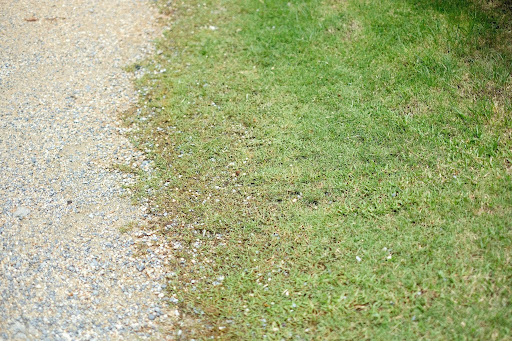
A lawn that fades to a dull, uniform tan during a hot, dry stretch is most likely dormant, not dying. Cool-season grasses naturally go dormant in hot, dry weather. Whereas the roots and crowns stay alive underneath, ready to grow again once conditions improve.
Dormancy shows up as an even, whole-lawn fade. That sets it apart from the patchy damage caused by disease or grubs.
4. Skip fertilizer until temperatures start to drop
The right lawn fertilizer for summer approach in West Hartford is often none at all until early fall. Fertilizing a heat-stressed lawn pushes new growth right when the grass needs to conserve energy, and tends to favor weeds over turf.
If your lawn already looks thin or pale, our post on the needs of lawn fertilizer explains what to watch for once the fall window opens.
5. Watch for grub activity starting in late July
Adult Japanese beetles begin emerging in West Hartford lawns the first week of July. Then, feed and mate before laying eggs that hatch into root-feeding grubs by late summer. Frequent irrigation during the egg-laying window can increase grub populations.
However, grub control timed to this hatch window catches grubs while they're smallest and easiest to address.
6. Treat tick season as a summer-long risk, not just a spring concern
Ticks are most dangerous during summer, not spring. That's when young ticks, called nymphs, are active. They're tiny, about the size of a poppy seed, so they're easy to miss on skin or clothing.
Nymphs are also responsible for most Lyme disease cases, since they bite without being noticed. Shaded areas of the yard, like along fence lines or under trees, tend to have the most tick activity.
Common Summer Lawn Problems in West Hartford
Knowing which problem you're actually looking at is what separates a quick fix from a summer of guesswork.
- Heat and drought stress. A lawn that turns a uniform tan color during a hot, dry stretch is showing heat stress, not disease or grub damage. This shows up as an even fade across the whole lawn.
- Fungal disease in humid stretches. Dollar spot and brown patch are the diseases most likely to appear in West Hartford during humid stretches. A dollar spot appears when humidity follows cool nights and warm days. Whereas a brown patch favors hot, humid weather and irregular circles on lawns fertilized or watered heavily.
- Grub damage. Thin, brown patches that peel back like loose carpet, sometimes with visible white grubs underneath, point to grub feeding rather than drought or disease. This tends to show up later in summer, after the egg-laying window above, and calls for Grub Control rather than more watering.
- Weed pressure in thinning turf. Heat-stressed or dormant grass opens gaps that weeds are quick to fill, especially in lawns fertilized too late into summer. Thick, well-rooted turf resists this better, which is part of why lawn density matters through the season.
Watering early in the morning is Connecticut summer lawn care's simplest defense against most of these problems.
Professional Summer Lawn Care from Teed & Brown
Teed & Brown provides science-driven lawn care in West Hartford and throughout Connecticut, New York, and Northern New Jersey. The services are built around each property's own soil, sun exposure, and grass blend rather than a one-size-fits-all calendar.
During scheduled summer visits, our technicians:
- Check for early signs of drought stress, disease, and grub activity specific to each section of the lawn
- Time grub control to the point in the beetle life cycle when it has the most impact
- Schedule Tick Control through the nymph season rather than stopping after spring
- Hold off on fertilizer applications until conditions favor the lawn over weeds
Ready for your lawn to handle whatever this summer brings?
Schedule a Property Consultation with Teed & Brown. Get Grub Control and Tick Control timed to West Hartford's summer season before peak pressure hits.
FAQs
How often should I water my lawn during summer in West Hartford?
Water your lawn in West Hartford about 1 to 1.5 inches per week, splitting into two deep sessions rather than daily light watering. Early morning watering, before 10 a.m., cuts evaporation and disease risk.
Why is my lawn turning brown even though I'm watering it?
A lawn that browns evenly despite regular watering is usually going dormant under heat stress, especially if the fade covers the whole yard. Patchy or odd-shaped brown areas point more to disease or grub damage, both covered above.
Should I fertilize my lawn during Connecticut's hottest months?
No, fertilizing during Connecticut's hottest months should wait until temperatures ease in early fall. Usually the summer applications tend to stress cool-season grass and favor weeds. September is generally the strongest fertilizer window for West Hartford lawns.
Which lawn diseases are most common during West Hartford summers?
Dollar spot and brown patch are the diseases most common during West Hartford summers. Both these are favored by hot, humid stretches typical of a Connecticut summer.
Related posts

Private Consultation for Your Property.
True lawn care is not about promises-it's about stewardship. We manage each property with intention, precision, and accountability, so you can enjoy complete confidence in who you've entrusted your landscape to.