
.svg)

Signs Your Lawn Needs Fertilizer For Healthy Growth
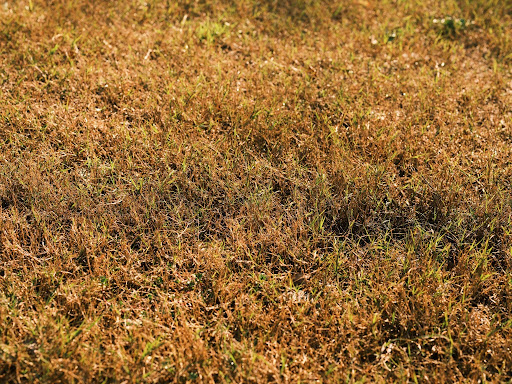
A lawn that needs fertilizer rarely changes overnight. In most cases, the first signs are gradual; grass loses its rich green color, growth slows, thin areas become more noticeable, and some sections begin to look weaker than others despite regular watering.
These changes may indicate the lawn is no longer receiving enough essential nutrients, although similar symptoms can also result from compacted soil, disease, insects, drought, or other environmental stress. Identifying the underlying cause early helps prevent further lawn decline.
Key Takeaways
- A lawn that needs fertilizer usually shows gradual changes, such as fading color, slower growth, thinning grass, and weaker recovery.
- Nitrogen deficiency is the most common cause of pale green or yellow grass, though similar symptoms can also result from drought, disease, insects, or poor soil conditions.
- Thin or uneven growth often appears first in areas affected by shade, soil compaction, heavy foot traffic, or tree root competition.
- Grass that remains weak or slow to recover after watering or seasonal stress may not be receiving the nutrients needed for healthy growth.
- Professional lawn evaluations help determine whether poor lawn performance is caused by nutrient deficiencies, soil conditions, disease, insects, or environmental stress.
Early Warning Signs Your Lawn Needs Fertilizer
Nutrient deficiencies usually develop gradually rather than all at once. Before grass becomes patchy or dies back, homeowners usually notice subtle changes in color, growth, and overall vigor. While these symptoms can also result from soil problems, drought, insects, or disease, they often signal that the lawn is no longer receiving the nutrients it needs.
- Lawn Color Starts Looking Dull
One of the earliest signs is a gradual loss of the lawn's rich green color. Cool-season grasses such as Kentucky bluegrass, perennial ryegrass, and fine fescue may fade to pale green or yellow when nitrogen becomes limited, although similar discoloration can also result from drought, disease, or poor soil conditions.
- Growth Becomes Slower and Uneven
Healthy turf grows at a fairly even rate across the lawn. When nutrients become limited, growth slows, fewer new shoots develop, and some sections begin growing more slowly than others. During the normal spring and fall growing periods, nutrient-deficient lawns often produce less vigorous growth and recover more slowly than healthy turf.
- The Lawn Starts Losing Density
As nutrient reserves decline, turf produces fewer tillers (new grass shoots), making the lawn feel thinner and less full over time. Thin areas often appear first in locations already under stress, such as compacted soil, shaded areas, heavy foot traffic zones, or around mature tree roots. As turf opens up, exposed soil also creates better conditions for weeds to establish.
Homeowners often notice:
- More visible soil between grass blades, even though the lawn was previously thick.
- Small thin patches that gradually become larger each growing season.
- More weeds appearing in areas where the grass has weakened, particularly crabgrass, goosegrass, and annual bluegrass (Poa annua).
Noticing these changes across your lawn? Schedule a consultation with Teed & Brown to identify the cause and get the right treatment before the problem spreads.
- The Lawn Doesn't Recover Like It Used To
Healthy grass quickly produces new leaf growth after foot traffic and normal seasonal stress. A nutrient-deficient lawn recovers more slowly, remaining thin, pale, or lacking vigor even after adequate watering because irrigation alone cannot replace the nutrients needed for active growth.
Does Your Lawn Need Fertilizer? Common Signs Compared
Not every lawn problem is caused by a lack of nutrients. Similar symptoms can result from drought, disease, insects, pet damage, or poor soil conditions. Use the table below as a general guide before deciding whether fertilization is likely to help.
Why These Signs Should Not Be Ignored?
Nutrient deficiencies do more than affect your lawn's appearance; they reduce the turf's ability to grow, recover, and compete. As grass becomes weaker, it leaves open space for weeds and struggles to recover from normal seasonal stress.
Ignoring these early warning signs can lead to:
- Progressive thinning: Nutrient-deficient turf produces fewer new shoots, allowing bare areas to expand over time instead of filling in naturally.
- Greater weed establishment: Thin, open turf provides ideal conditions for opportunistic weeds such as crabgrass, goosegrass, and annual bluegrass to germinate and spread.
- Slower seasonal recovery: Grass lacking essential nutrients recovers more slowly from summer heat, winter injury, heavy foot traffic, and other routine stresses, causing weak areas to persist longer.
- Reduced root development: Nutrient deficiencies can limit root development and reduce the lawn's ability to withstand drought and heat stress.
- Uneven lawn performance: Areas with nutrient deficiencies often continue declining while healthier sections grow normally, resulting in inconsistent color, density, and growth across the property.
How Teed & Brown Helps Restore Lawn Health
Healthy lawns require more than routine fertilizer applications. Turf performance depends on proper nutrition, healthy soil, seasonal timing, and addressing the conditions that limit growth.
During scheduled service visits, Teed & Brown helps homeowners by:
- Assessing turf color, density, growth patterns, and overall lawn vigor.
- Identifying whether poor performance is associated with nutrient deficiencies, soil conditions, weed pressure, or other lawn health issues.
- Recommending seasonally timed fertilization based on the condition of the lawn rather than a one-size-fits-all schedule.
- Supporting long-term turf health through a complete lawn care program that may include fertilization, weed control, aeration and seeding, and grub control when appropriate.
If your lawn has become thin, uneven, or lost its healthy green color, schedule a consultation with Teed & Brown for a professional lawn evaluation and a customized treatment program for your property.
FAQs
Why does my lawn look healthy in some areas but not others?
Uneven lawn color usually indicates differences in soil conditions, drainage, sunlight, tree root competition, or foot traffic. These factors affect how efficiently grass absorbs nutrients, causing some sections to remain healthy while others become pale or thin.
Does slow grass growth always mean my lawn needs fertilizer?
No. Weak grass growth can also result from compacted soil, drought, disease, insect activity, shade, or seasonal dormancy. A professional lawn evaluation helps determine whether nutrient deficiency is the primary cause.
Can a lack of fertilizer make my lawn more vulnerable to weeds?
Yes. Nutrient-deficient turf becomes thinner and less competitive, allowing opportunistic weeds such as crabgrass and annual bluegrass (Poa annua) to establish more easily.
Should I fertilize as soon as I notice these signs?
Not necessarily. Similar symptoms can be caused by nutrient deficiencies, soil compaction, drainage problems, insects, or disease. Identifying the underlying cause first helps ensure the lawn receives the appropriate treatment at the right time.
Can Teed & Brown determine whether my lawn needs fertilizer?
Yes. During scheduled service visits, Teed & Brown evaluates turf color, density, growth patterns, and overall lawn condition to determine whether nutrient deficiencies are contributing to poor performance and recommends a lawn treatment program based on the property's needs.
Private Consultation for Your Property.
True lawn care is not about promises-it's about stewardship. We manage each property with intention, precision, and accountability, so you can enjoy complete confidence in who you've entrusted your landscape to.