
.svg)

Best Grass Seed for New York
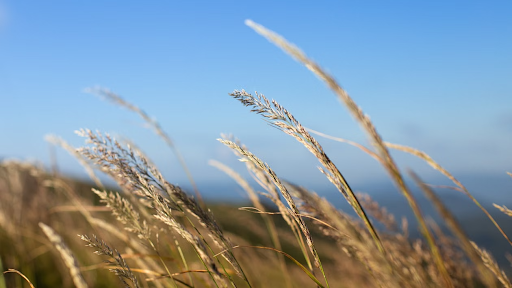
The best grass seed for New York usually blends Kentucky bluegrass for hardiness, perennial ryegrass for speed, and fine fescue for shade, since almost no yard is uniformly sunny, dry, and traffic-free.
A shady side yard under old maples and a sun-baked strip along the driveway need different grasses, even on the same property, which is why most reputable seed bags sold here are mixes rather than a single species.
Key Takeaways
- New York lawns grow cool-season grasses only; warm-season types like Bermuda or zoysia won't survive the winters here
- Kentucky bluegrass is the most winter-hardy and self-repairing, but needs full sun and steady water
- Perennial ryegrass establishes fastest and handles traffic well, but doesn't spread to fill bare spots on its own
- Tall fescue tolerates drought, shade, and heavy use better than bluegrass, making it a strong low-input choice
- Fine fescue is the best grass seed for New York lawns with dense shade and poor soil
- Most quality seed bags blend two or three of these species rather than relying on one
Best Types of Grass Seed for New York Lawns
The best types of grass seed for New York lawns are Kentucky bluegrass, perennial ryegrass, tall fescue, and fine fescue, and most lawns do best with a blend of them. Each solves a different problem, and the right mix shifts by region: coastal areas tend to deal with humidity and sandier soil, while Westchester and parts of the Hudson Valley often sit on heavier clay, and upstate winters run colder and longer.
Kentucky Bluegrass
Kentucky bluegrass is the classic New York lawn grass: dense, dark green, and the only one of the four that repairs its own bare spots without reseeding.
- Grass Type: Cool-season
- Growth Habit: Rhizomatous; underground stems spread sideways and knit the turf into a self-mending sod
- Sunlight Requirement: Full sun, at least 6 to 8 hours daily
- Shade Tolerance: Low; thins out fast under trees or near buildings that cast shadow most of the day
- Drought Tolerance: Low; shallow roots dry out quickly without regular water
- Cold/Winter Tolerance: Excellent, the most winter-hardy grass on this list and a safe bet even in colder upstate zones
- Foot Traffic Tolerance: Moderate to high once fully established, though new seedlings are easily damaged
- Establishment Speed: Slow; Cornell lists 30 to 90 days to seedling establishment
- Recovery Ability: Excellent; spreading rhizomes fill in thin or damaged patches on their own over a season or two
- Cutting Height: 2.5 to 3.5 inches
- Water Requirements: Moderate to high, especially during summer heat
- Soil Preferences: Fertile, well-drained soil with a near-neutral pH; struggles in heavy, poorly drained clay
- Disease/Pest Considerations: Prone to dollar spot and necrotic ring spot in stressed or thin turf
- Best For: Full-sun front lawns and as the anchor grass in a blended New York seed mix
Because it spreads and self-repairs, bluegrass is usually the largest share of a blend by weight. It has faster-germinating species mixed in to hold the soil while it fills in.
Perennial Ryegrass
Perennial ryegrass earns its place for speed. It's rarely planted alone in New York, but it fills gaps and stabilizes new seedbeds faster than anything else on this list.
- Grass Type: Cool-season
- Growth Habit: Bunch-type; grows in clumps and does not spread, so it can't fill bare spots by itself
- Sunlight Requirement: Full sun to light shade
- Shade Tolerance: Low
- Drought Tolerance: Low; among the first grasses to show stress in a dry stretch
- Cold/Winter Tolerance: Good, though less reliably hardy than bluegrass in exposed, windswept sites
- Foot Traffic Tolerance: Good; often chosen specifically for wear resistance in play areas and walkways
- Establishment Speed: Fast; Cornell lists 14 to 21 days, quickest of the four
- Recovery Ability: Limited on its own; relies on reseeding rather than natural spreading to close gaps
- Cutting Height: 2 to 3 inches
- Water Requirements: Moderate
- Soil Preferences: Fertile, well-drained soil
- Disease/Pest Considerations: Can develop red thread and gray leaf spot during humid stretches, more common near the coast
- Best For: Quick cover on new lawns, overseeding worn areas, and blending with bluegrass for faster germination
Most blends keep ryegrass under a fifth of the mix by weight, since too much can crowd out the slower bluegrass seedlings it's meant to support.
Tall Fescue
Tall fescue trades some of bluegrass's softness for toughness. Its deep roots make it the most forgiving choice for busy yards and drier summers.
- Grass Type: Cool-season
- Growth Habit: Bunch-type with a deep, extensive root system
- Sunlight Requirement: Full sun to moderate shade
- Shade Tolerance: Good; one of the few cool-season grasses that holds up under light tree cover
- Drought Tolerance: High; the most drought-tolerant of the four, since deep roots reach more soil moisture than bluegrass or ryegrass
- Cold/Winter Tolerance: Good in newer turf-type varieties, though still less hardy than bluegrass in the coldest upstate winters
- Foot Traffic Tolerance: High; a common pick for lawns with kids or pets
- Establishment Speed: Moderate; roughly 21 to 30 days
- Recovery Ability: Limited spreading ability, so thin spots need overseeding rather than self-repair
- Cutting Height: 3 to 4 inches
- Water Requirements: Low to moderate once established
- Soil Preferences: Adaptable to a wide pH range, including compacted or clay-heavy soil common in Westchester and the Hudson Valley
- Disease/Pest Considerations: Brown patch during hot, humid weather
- Best For: High-traffic yards, clay soil, and properties looking for a lower-input lawn
Because it doesn't spread, tall fescue is usually seeded thick from the start rather than left to thin and fill in on its own.
Fine Fescue
Fine fescue is really a group of related grasses, including creeping red, chewings, and hard fescue, and it's the best grass seed for New York lawns buried in shade.
- Grass Type: Cool-season
- Growth Habit: Varies by type; creeping red spreads by short rhizomes, while chewings and hard fescue grow in bunches
- Sunlight Requirement: Partial to full shade, though it also tolerates sun in cooler, drier spots
- Shade Tolerance: Excellent, the highest of the four
- Drought Tolerance: Moderate; handles dry, infertile soil better than the other three
- Cold/Winter Tolerance: Good
- Foot Traffic Tolerance: Low; damaged quickly under regular foot traffic or play
- Establishment Speed: Moderate; roughly 21 to 50 days
- Recovery Ability: Limited; poor wear tolerance means damaged patches usually need reseeding
- Cutting Height: 3 to 4 inches, left slightly taller to protect the crown
- Water Requirements: Low, the lightest of the four
- Soil Preferences: Tolerates poor, sandy, or infertile soil better than bluegrass, ryegrass, or tall fescue
- Disease/Pest Considerations: Can develop red thread in cool, wet conditions
- Best For: Shaded yards under mature trees.
Fine fescue is typically the shade component in a blend rather than the whole lawn. It is seeded heavier under tree canopies and lighter in sunnier sections of the same yard.
Professional Lawn Seeding and Grass Selection With Teed & Brown
Picking the best lawn seed for New York is only half the job. Getting the ratio, timing, and soil prep right is what actually determines whether it takes.
Teed & Brown seeds and overseeds with a custom cool-season blend built around each property's sun exposure, soil, and use, rather than a single bagged mix.
Every seeding plan starts with an on-site evaluation, so the blend going down actually matches your yard instead of a generic label. A shaded backyard and a sunny front lawn on the same property often get two different ratios for exactly that reason.
Full-property seeding happens in fall, paired with aeration, so seed reaches loose soil instead of hard ground. This pairs with our broader lawn seeding and grass selection services, along with fertilization, weed control, and Grub Control, since New York lawns face their own common pest pressure.
A soil test beforehand confirms whether pH needs correcting before new seed goes down, since bluegrass and ryegrass both struggle in soil that's too acidic.
Ready to Find the Right Grass Seed for Your Lawn?
Get a custom seeding plan built around your property's sun, soil, and use.
FAQs
What is the best grass seed for New York?
The best grass seed for New York is usually a blend rather than one species, most often Kentucky bluegrass paired with perennial ryegrass and fine fescue, so sunny, shaded, and high-traffic areas of the same yard all have a species suited to them.
What type of grass grows best in New York?
Cool-season grasses grow best in New York, since the state's cold winters rule out warm-season types like Bermuda or zoysia. Kentucky bluegrass, perennial ryegrass, tall fescue, and fine fescue are the four main options.
Is Kentucky bluegrass good for New York?
Yes, Kentucky bluegrass is good for New York. It's the most winter-hardy of the cool-season grasses and repairs its own bare spots, though it needs full sun and more water than tall fescue or fine fescue.
When should I plant grass seed in New York?
The best time to plant grass seed in New York is late summer into early fall, when cool nights and warm soil help seedlings establish before winter.
Related posts

Private Consultation for Your Property.
True lawn care is not about promises-it's about stewardship. We manage each property with intention, precision, and accountability, so you can enjoy complete confidence in who you've entrusted your landscape to.