
.svg)

Best Grass Seed for Connecticut
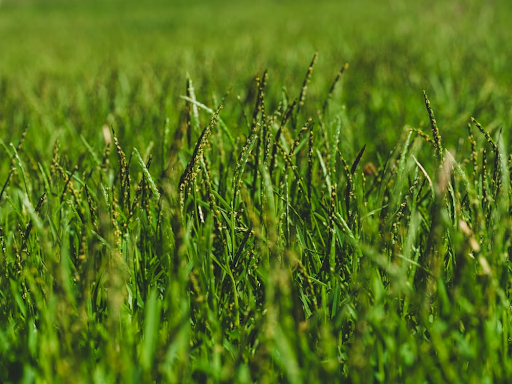
Connecticut's winters are too cold and its summers too humid for anything but cool-season turf. That narrows the real choice to four grasses: Kentucky bluegrass, tall fescue, fine fescue, and perennial ryegrass. No single species is the best grass for Connecticut in every yard. That's why most established lawns run on a blend of two or three. Which combination works best comes down to sun, soil, and foot traffic.
Key Takeaways
- Connecticut's climate calls for cool-season grass only: Kentucky bluegrass, tall fescue, fine fescue, and perennial ryegrass.
- Most Connecticut lawns do best with a blended seed mix rather than a single grass species.
- Kentucky bluegrass forms the densest sod but needs full sun and regular water.
- Tall fescue offers the best drought and traffic tolerance for low-input lawns.
- Fine fescue handles shade and low fertility better than any other cool-season type.
- Fall, from mid-August through mid-September, is the best seeding window in Connecticut.
Best Types of Grass Seed for Connecticut Lawns
The best types of grass seed for Connecticut lawns are Kentucky bluegrass, tall fescue, fine fescue, and perennial ryegrass. Each plays a different role, and the table below shows how they compare before the full profiles.
Kentucky Bluegrass
Kentucky bluegrass is the top pick for full-sun Connecticut lawns that get consistent water. It's prized for the dense, self-repairing sod it forms. It's also what most people picture as a classic New England lawn.
Tall Fescue
Tall fescue is the most forgiving option for Connecticut yards with heavy traffic or no irrigation. Deep roots let it shrug off drought and poor soil better than any other grass on this list.
Fine Fescue
Fine fescue is the default for shaded Connecticut lawns. It tolerates low light and acidic soil better than any other cool-season type, though it asks for less traffic in return.
Perennial Ryegrass
Perennial ryegrass earns its spot for speed. It germinates faster than the other three types. That makes it the go-to for quick repairs and as a nurse grass in new blends.
Soil type and pH shape how well any of these grasses actually perform. Turfgrass grows best when soil pH sits between 6.0 and 7.0. Acidic soil, common in parts of Connecticut, favors fescues over bluegrass and ryegrass.
Timing matters just as much as the grass itself. Seeding between August 15 and September 15 is recommended for the fastest, most reliable germination.
That fall window also lines up with the aeration season in Connecticut. New seed makes better contact with soil through freshly opened aeration holes.
New seed of any type needs consistent moisture to establish. Our guide to watering a Connecticut lawn breaks that schedule down week by week. Kentucky bluegrass needs that support most through its first summer. It's the type most likely to brown under heat stress, a pattern covered in our summer lawn care guide for Connecticut.
How Teed & Brown Helps Choose the Right Grass for Connecticut Lawns
Connecticut grass seed rarely performs best as a single species. Most Teed & Brown properties get a custom blend of two or more cool-season varieties. Each blend is matched to that yard's sun, soil, and traffic, not a generic mix.
During a scheduled evaluation, our team assesses soil condition, drainage, and light exposure before recommending a blend. A sunny, high-traffic front lawn might lean on tall fescue. A shaded backyard under mature trees calls for a fine fescue-heavy mix instead. Soil test results also shape the call, since acidic soil common in parts of Connecticut tends to favor fescues over bluegrass.
Seeding pairs best with a full program rather than a one-time application. In fall, it's typically combined with core aeration to open the soil and improve seed-to-soil contact. Fertilization is timed to match the new grass's needs, light at first, then building as roots establish.
Ready to find the best grass seed for Connecticut conditions on your property? Schedule a Lawn Evaluation with Teed & Brown.
FAQs
What is the best grass seed for Connecticut?
The best grass seed for Connecticut is a blend of cool-season types, usually Kentucky bluegrass, tall fescue, and fine fescue. The right mix depends on a lawn's sun exposure, soil, and traffic.
Is Kentucky bluegrass good for Connecticut lawns?
Yes, Kentucky bluegrass is good for Connecticut lawns with full sun and consistent water. It forms a dense, self-repairing sod but browns under drought stress without irrigation.
Is tall fescue a good choice for Connecticut?
Yes, tall fescue is a strong choice for Connecticut, especially for high-traffic yards or properties without irrigation. It has the best drought tolerance of the cool-season group.
What grass seed is best for a sunny Connecticut lawn?
Kentucky bluegrass or perennial ryegrass are best for a sunny Connecticut lawn. Both perform well in full sun with regular water and moderate fertilization.
When should I plant grass seed in Connecticut?
The best time to plant grass seed in Connecticut is mid-August through mid-September. Soil is still warm then, but cooling, which speeds germination before winter.
Related posts


Private Consultation for Your Property.
True lawn care is not about promises-it's about stewardship. We manage each property with intention, precision, and accountability, so you can enjoy complete confidence in who you've entrusted your landscape to.