
.svg)

Why Lawn Density Matters for a Healthy and Strong Lawn
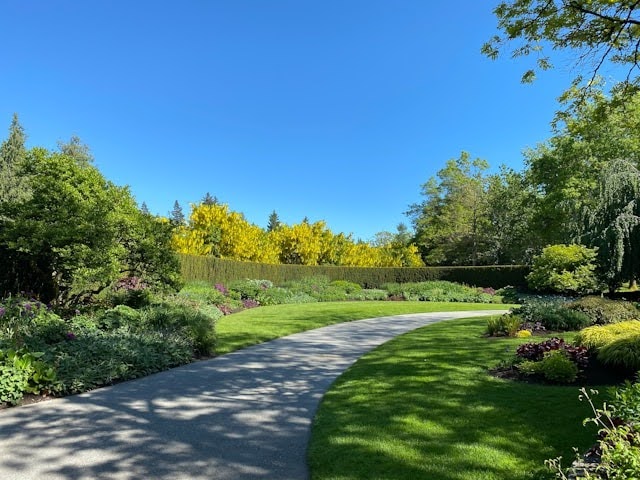
Some lawns stay thick and green through summer heat, heavy rain, and foot traffic, while others gradually thin out and invite weeds. This is especially true for cool-season lawns across Connecticut, New York, and New Jersey, where seasonal weather places repeated stress on turf throughout the year.
The difference often comes down to lawn density, or the number of grass shoots growing within a given area. Dense turf is better able to withstand stress, while thinning grass leaves room for weeds, pests, and soil erosion.
Key Takeaways
- Lawn density measures grass shoots per square foot. The higher the count, the better your turf holds up against weeds, heat, and foot traffic.
- Dense turf shades the soil surface, reducing the light and open space that weeds such as crabgrass and goosegrass need to establish while limiting opportunities for many broadleaf weeds to spread.
- Compaction, pH imbalance, shallow watering, grub damage, and fungal disease are the most common drivers of thinning turf.
- Thick turf insulates the root zone, limits erosion, and closes the gaps that disease and pests exploit.
- Fall is the strongest recovery window of the year. Turf that rebuilds fully before the ground freezes green-ups earlier and holds up longer the following spring.
- Restoring lawn density requires correcting the underlying cause, whether that's compaction, poor soil conditions, improper watering, pests, or disease.
What is Lawn Density?
Lawn density, also called turf density, refers to the number of grass shoots growing within a given area of lawn. A dense lawn forms a tight, interlocking canopy that covers the soil, leaving little room for weeds to germinate, pests to settle, or rain to erode beneath.
Why Lawn Density Is a Key Indicator of Lawn Health
The importance of lawn density goes well beyond how your turf looks. A high shoot count per square foot creates a canopy that actively works against the conditions that degrade turf over time.
- Natural Weed Suppression: Dense grass shades the soil surface, reducing the light available for many weed seeds to germinate and establish.
- Erosion Resistance: Tightly packed shoots anchor the soil beneath them, reducing the impact of heavy rain and preventing topsoil from washing away.
- Moisture Retention: A thick canopy shades the soil surface, reducing evaporation and helping the root zone retain moisture between watering or rainfall.
- Traffic Tolerance: Foot traffic distributed across a high shoot count means individual plants absorb less stress, keeping the turf surface intact through regular use.
- Improved Recovery from Pests and Disease: Dense, healthy turf recovers more effectively from minor pest feeding and disease damage because stronger root systems and greater shoot density help replace lost growth.
How Lawn Density Affects Weed Growth and Lawn Problems
Thick turf leaves no physical room for weeds to operate. When density drops, weeds do not just appear. They point to something specific going wrong beneath the surface.
Weed Growth as a Lawn Problem Indicator
- Crabgrass as a Density Signal: Crabgrass thrives where turf thins from low nitrogen fertility, drought stress, or compaction. Its presence points to measurable lawn stress, not just a weed problem.
- Goosegrass and Soil Compaction: Goosegrass almost exclusively establishes in compacted, low-density turf. Where it concentrates, compaction pressure is highest.
- Dandelions and Broadleaf Invasion: Dandelions move into gaps left by uneven fertility or inconsistent watering, setting seed and spreading season after season once open ground is available.
- Erosion in Low-Density Areas: Where shoot count drops, the stabilizing root mat thins with it. Rain and foot traffic then widen bare patches and create conditions that accelerate further weed infiltration.
What Causes Low Lawn Density
Low lawn density rarely comes from a single problem. In most cases, it's the result of compounding stress factors that quietly erode your turf over an entire season. Understanding what causes lawn density to decline is the first step toward restoring healthy turf.
1. Root and Soil Problems
- Soil Compaction: Foot traffic and clay-heavy soil press the ground tight, cutting off the oxygen and water movement that roots depend on for growth.
- pH Imbalance: When soil pH drifts too far in either direction, essential nutrients become chemically unavailable, leaving grass pale, thin, and unable to spread.
- Thatch Layer: Excessive thatch can restrict the movement of water, air, and nutrients into the soil while creating conditions that favor certain fungal diseases.
2. Environmental and Light Factors
- Shade Pressure: Most turfgrasses perform best with several hours of direct sunlight each day. Extended shade reduces photosynthesis and gradually thins the lawn.
- Tree Root Competition: Mature trees compete aggressively below ground, pulling moisture and nutrients away from surrounding turf before grass roots can access them.
3. Watering and Seasonal Damage
- Surface-Level Watering: Frequent, shallow watering keeps roots close to the surface, which makes turf fragile and far less capable of recovering from heat or drought stress.
- Winter Salt Exposure: Ice melt products applied near driveways and sidewalks seep into lawn edges over winter, causing chemical burn that shows up as thin, damaged patches in spring.
4. Pest and Disease Activity
- Grub Damage: Grub larvae feed on grass roots just below the soil surface. Affected areas lose their anchoring and pull away from the ground in irregular, carpet-like patches.
- Fungal Disease: Brown patch and similar infections spread through overly wet or shaded turf, rotting the grass blade at the base. The resulting dieback thins the canopy progressively, pulling overall lawn density down from the ground up.
How Lawn Density Impacts Seasonal Lawn Performance
Lawn density changes throughout the year as weather and growing conditions change. Healthy turf is better equipped to handle seasonal stress and recover more quickly, while thin lawns are more likely to develop weeds, bare spots, and other problems.
Spring: Tillering and Weed Competition
As cool-season grasses begin actively growing, a dense lawn fills in more quickly after winter dormancy. Strong spring growth helps reduce the amount of exposed soil where spring weeds can establish. Fertilization and proper lawn care during this period encourage healthy growth before summer stress arrives.
Summer: Heat Tolerance and Canopy Stability
Heat and drought place significant stress on cool-season lawns. Thick grass shades the soil, helping it retain moisture and protecting roots from excessive heat. Lawns with poor density are more likely to thin further during prolonged hot weather.
Fall: The Critical Rebuild Phase
Fall is the best time for cool-season grasses to rebuild density. Cooler temperatures encourage root growth and help grass recover from summer stress. Services such as core aeration and overseeding can improve lawn density by relieving soil compaction and introducing new grass into thin areas.
Winter: Dormancy and Structural Integrity
Although grass becomes dormant during winter, the condition of the lawn entering dormancy influences how well it performs the following spring. A healthy, dense lawn is generally better prepared to withstand winter conditions and green up more evenly when growth resumes.
Signs Lawn Density Is Improving
As lawn density improves, you'll usually notice gradual changes across the entire property rather than overnight results.
- More uniform green coverage with fewer thin or patchy areas.
- Improved recovery after foot traffic, with grass returning upright more quickly.
- Better performance through seasonal stress, especially during summer heat and periods of drought.
When Lawn Density Issues Require Professional Attention
If thin or patchy turf continues to return despite regular care, the underlying issue is often deeper than the grass itself. Problems such as soil compaction, poor soil conditions, pests, disease, or environmental stress need to be identified before lawn density can improve.
How Teed & Brown helps improve lawn density for properties across Connecticut, New York, and New Jersey:
- Evaluating soil conditions, compaction, and overall turf health to identify what's limiting lawn density.
- Relieving soil compaction through core aeration to create better conditions for root growth.
- Overseeding thin areas with cool-season grasses suited to the property's growing conditions.
- Coordinating fertilization, aeration, and other lawn care services to support stronger, denser turf over time.
- Evaluating turf performance during each scheduled visit and adjusting treatments based on how the lawn is responding..
Thin coverage in the same spots, year after year, is the lawn telling you something the surface alone can't fix. Schedule a consultation to identify what's limiting your lawn density and create a treatment plan built around your property's specific conditions.
FAQs
How does lawn density affect weed growth?
Dense turf leaves little room for weed seeds to reach the soil, take root, and establish. A thick canopy blocks the light that most weeds depend on to germinate, so gaps in coverage are where weed pressure typically begins.
Can poor lawn density indicate underlying problems?
Thin or patchy turf is often a symptom, not the problem itself. Compacted soil, nutrient deficiencies, and grub activity are common causes that show up on the surface as thinning grass before anything else becomes visible.
How does lawn density benefit the grass roots?
A dense lawn helps protect the soil from excessive heat and moisture loss, creating more stable conditions for healthy root growth. Strong roots then support thicker, more resilient turf, creating a positive cycle of healthier grass.
Does lawn density reduce soil erosion?
A thick turf acts as a physical barrier, holding soil in place during heavy rain and preventing runoff from carrying topsoil away. Sparse lawns with exposed patches are far more vulnerable to erosion, especially on sloped properties.
Why should I choose professional lawn care to improve lawn density?
Professional lawn care improves lawn density by addressing the underlying causes of thin turf through proper aeration, fertilization, overseeding, and soil management. Consistent, seasonally timed treatments help build thicker, healthier grass that is more resistant to weeds, drought, and everyday wear.
Private Consultation for Your Property.
True lawn care is not about promises-it's about stewardship. We manage each property with intention, precision, and accountability, so you can enjoy complete confidence in who you've entrusted your landscape to.