
.svg)

Summer Lawn Care Tips for Connecticut
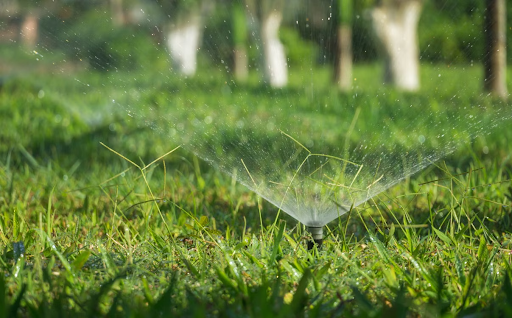
The best summer lawn care tips for Connecticut lawns come down to three habits: watering deeply but less often, raising your cutting height, and catching disease or grub activity before it spreads.
Connecticut summers bring heat, humidity, and the kind of moisture swings that stress even a well-established cool season lawn, but a few consistent habits carry a healthy lawn in summer through the toughest stretch of August.
Key Takeaways
- Summer lawn care tips for Connecticut start with deep, infrequent watering, generally 1 to 1.5 inches per week including rainfall.
- Raising cutting height to around 3.5 inches during peak heat helps grass hold moisture and grow deeper roots.
- Connecticut's fertilizer law restricts phosphorus on established lawns, and summer nitrogen is best kept light.
- Brown or thinning patches in summer usually signal drought stress or heat dormancy rather than a dying lawn.
- Humidity-driven diseases like brown patch and dollar spot peak in Connecticut during hot, muggy stretches from late June through August.
- Grub Control works best when timed to egg hatch, generally late July into early August, not before.
- A professional evaluation during scheduled visits helps catch summer lawn problems in Connecticut before they spread.
Summer Lawn Care Tips for Connecticut Homeowners
Connecticut lawn care in summer is shaped as much by the state's own fertilizer rules and regional climate as it is by generic turf advice.
Watering deep, not often. Connecticut lawns generally benefit from deeper, less frequent watering, which supports stronger root development and helps turf withstand summer heat. A professional can assess soil and turf conditions to determine the right watering approach.
Cutting height protects the crown. Keeping cool-season lawns around 3 to 3.5 inches through summer can support deeper roots and improve heat-stress tolerance. A professional lawn evaluation can determine the appropriate height for the turf and conditions on a specific property.
Respecting Connecticut's fertilizer law. For lawn fertilization Connecticut properties are legally bound by more than good practice. Connecticut law (CT General Statutes § 22-111yy) restricts phosphorus fertilizer on established lawns except when a recent soil test shows a deficiency, and bars phosphorus application within 20 feet of any body of water.
Because heavy summer nitrogen pushes soft, disease-prone growth, most feeding is better handled as part of a full-season lawn care program rather than a single summer application.
Timing Grub Control to the life cycle. Connecticut lawn treatment for white grubs works best around egg hatch rather than on a fixed calendar date. For Oriental beetle, one of the most common lawn grubs in Connecticut, eggs typically hatch 18 to 24 days after being laid.
This generally puts new grubs, the most vulnerable stage, feeding in Connecticut lawns by late July and into August. Grub Control applied ahead of that window protects roots before feeding damage sets in.
Watching for disease in humid stretches. Effective lawn disease prevention Connecticut lawns need starts with knowing the local disease window. Dollar spot tends to appear in early summer, late summer, and early fall when cool nights follow warm, humid days, while brown patch is most severe on heavily fertilized, frequently watered turf during hot, humid weather.
Preparing for fall aeration and seeding. Late summer is also when Connecticut turf starts rebuilding density. UConn's Home & Garden Education Center points to mid-August through mid-September as prime time for lawn renovation in the state, including reseeding thin or damaged areas before the fall growing window closes.
Building turf density now, through aeration and seeding, is one of the most effective ways to prevent thinning next summer. Our seasonal lawn care resources walk through how each season sets up the next.
Keeping traffic off stressed turf. Foot traffic on heat-stressed grass compounds damage a healthy lawn would otherwise shrug off. Keeping regular paths and parking off drought-affected areas during a stretch of summer lawn care in Connecticut gives turf room to recover once cooler, wetter weather returns.
Month-by-Month Summer Lawn Care Calendar for Connecticut
June: Shift from spring watering habits to deep, infrequent sessions and raise cutting height as temperatures climb. Beetle activity begins, so this is the window to plan ahead on Grub Control rather than wait for visible damage.
July: Peak heat and humidity put Connecticut grass care to the test. Watch for the first signs of brown patch or dollar spot on humid nights, hold off on heavy nitrogen, and expect new grub eggs to hatch by month's end.
August: Grub feeding is typically active below the surface, so spongy turf or animal digging deserves a closer look. As the month closes, Connecticut's fall renovation window opens, making late August a good time to plan aeration and overseeding.
Common Summer Lawn Problems in Connecticut and Their Solutions
Brown or dormant patches. It is common for Connecticut grass to brown during extended heat and dry weather. That is usually dormancy, not a dying lawn. If patches stay brown well after rainfall returns, or look uneven rather than uniform, disease or compacted soil could be the real cause.
Disease pressure. Connecticut's coastal humidity along Long Island Sound and the heavier, slower-draining clay soils common further inland both create favorable conditions for brown patch and dollar spot during the state's hottest, muggiest weeks. A proper diagnosis matters, since the two diseases call for different responses.
Grub damage. Turf that feels spongy, pulls up like loose carpet, or shows increased digging from birds or animals is a common sign of grub feeding below the surface. Grub damage often overlaps with drought stress, so confirming the cause matters before treating it.
Thinning or uneven turf. Thin, sparse areas show heat and drought stress faster because there is less root mass to draw on. Building density before summer, through fall aeration and seeding, is one of the best ways to prevent this cycle from repeating.
Keep Your Connecticut Lawn Healthy with Teed & Brown
Consistent summer lawn care in Connecticut depends on more than any single tip working in isolation. Watering, cutting height, fertility, and pest pressure all interact, and getting one piece wrong can undo the rest.
Teed & Brown is a licensed and certified provider of lawn care services Connecticut homeowners rely on, along with clients across New York and Northern New Jersey. During scheduled service visits, our technicians:
- Evaluate turf condition, soil health, and signs of heat or drought stress specific to your property.
- Apply Grub Control at the right point in the season, based on regional grub activity rather than a fixed calendar date.
- Time fertilization conservatively through summer, shifting the bulk of feeding to fall when it does the most good.
- Recommend aeration and seeding to build the turf density that helps lawns handle next summer's heat with less stress.
- Bring the same on-site evaluation and follow-through to every visit, backed by a team homeowners describe as consistently responsive to questions and concerns.
Ready for a lawn care approach tailored to your property's turf, soil, and seasonal needs?
Contact Teed & Brown to schedule a consultation.
FAQs
How often should I water my lawn during a Connecticut summer?
Most Connecticut lawns need about 1 to 1.5 inches of water per week during summer, applied in one or two deep sessions rather than daily light watering. Watering early in the morning reduces evaporation and lowers disease risk.
Is it safe to fertilize lawns in the summer?
Yes, fertilizing lawns in the summer is safe, but only in moderation, since Connecticut's fertilizer law restricts phosphorus on established lawns and heavy nitrogen in hot weather stresses cool season turf. Most Connecticut lawns benefit more from fertilizing heavily in early fall instead.
Why is my Connecticut lawn turning brown?
A Connecticut lawn turning brown in summer is most often going dormant to conserve energy during heat and dry weather, and it typically greens back up once cooler, wetter conditions return. Uneven or persistent browning after rainfall can point to disease or grub activity instead.
What lawn diseases are most common during Connecticut summers?
The lawn diseases most common during Connecticut summers are brown patch and dollar spot, both of which favor hot, humid stretches, especially on lawns that are frequently watered or heavily fertilized. Improving air circulation and watering early in the day help reduce both.
When should I aerate and overseed my Connecticut lawn?
The best time to aerate and overseed a Connecticut lawn is from mid-August through mid-September, once summer heat begins to ease. This window gives new grass time to establish before winter while addressing the thinning that summer stress leaves behind.
Related posts


Private Consultation for Your Property.
True lawn care is not about promises-it's about stewardship. We manage each property with intention, precision, and accountability, so you can enjoy complete confidence in who you've entrusted your landscape to.