
.svg)

Common Lawn Weeds in Connecticut
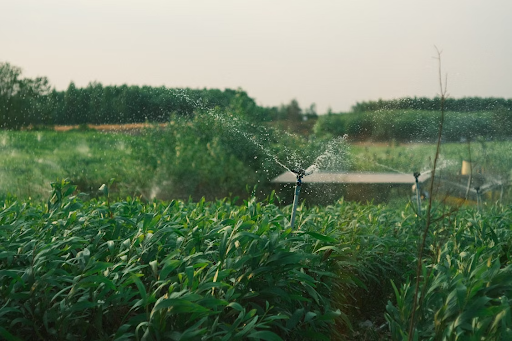
When dealing with common lawn weeds in Connecticut, homeowners most frequently run into crabgrass, dandelions, clover, ground ivy, and nutsedge, each following its own distinct growth timeline. Our technicians track the same pattern property after property: broadleaf weeds crowd in first as soil warms, then crabgrass and nutsedge take over once summer heat sets in.
Here's how to tell them apart and why timing decides whether treatment works.
Key Takeaways
- Common lawn weeds in Connecticut include crabgrass, dandelion, clover, ground ivy, and nutsedge, each with a different growth pattern and season.
- Identifying common lawn weeds in Connecticut early makes treatment faster and more effective than waiting until they've spread.
- Spring weeds tend to be broadleaf types that thrive in cool, damp soil, while summer weeds like crabgrass and nutsedge take advantage of heat and thin turf.
- Fall weed control focuses on prevention and recovery, setting cool-season grass up to compete better the following spring.
- Weeds spread fastest in lawns with bare patches or thin density, which is why professional, season-specific treatment outperforms one-time fixes.
5 Most Common Lawn Weeds Found in Connecticut
Understanding common lawn weeds in Connecticut, when they show up, and why they return is the first step toward a lawn that holds its ground. It's also the same handful of species.
Crabgrass and nutsedge fall into the grassy weed category, distinct from broadleaf types like dandelion and clover; our full breakdown of types of grass weeds in lawns covers how to tell the two groups apart at a glance.
1. Crabgrass
How to identify it: Low-growing with wide, pale green blades that spread outward in a star-like pattern from a central point.
When it appears: Germinates in late spring as soil temperatures warm, and stays active through summer.
Why it spreads: Its seeds need direct light exposure to germinate, which is why thin, bare, or recently scalped patches are usually the first spots to break with a new flush.
Damage it causes: Crowds out desirable turf and leaves large dead patches once it dies back in the first frost.
Why professional treatment works best: Timing is everything with crabgrass. A treatment applied even a week too early or too late misses the germination window, and that window runs just a few weeks each spring. Which is why professional Connecticut weed control relies on soil temperature tracking rather than a fixed calendar date.
2. Dandelion
How to identify it: Bright yellow flowers on a single stem, followed by the familiar white seed puff.
When it appears: Shows up early, often among the first spring weeds to bloom as soil warms.
Why it spreads: A deep taproot regenerates the plant even after the top is removed, and windborne seeds travel easily between yards.
Damage it causes: Competes with grass for nutrients and creates an uneven, patchy appearance across the lawn.
Why professional treatment works best: Because the taproot regrows from fragments left behind, surface-level removal rarely solves the problem. Targeted treatment during active growth gets ahead of it before it seeds.
3. Clover
How to identify it: Rounded, three-part leaves with small white or pink flower clusters.
When it appears: Common throughout spring and summer, especially in lawns with lower nitrogen levels.
Why it spreads: Clover fixes its own nitrogen from the air, allowing it to thrive in soil conditions where grass struggles.
Damage it causes: Not always harmful to the lawn's health, but it changes the lawn's texture and color, which frustrates homeowners aiming for a uniform look.
Why professional treatment works best: Since clover often signals an underlying soil or nutrient imbalance, professional evaluation during a scheduled visit identifies the cause instead of just the symptom.
4. Ground Ivy (Creeping Charlie)
How to identify it: Scalloped, round leaves on trailing stems that root wherever they touch soil, often with a minty smell when crushed.
When it appears: Spreads aggressively in spring and fall, particularly in shaded or moist areas.
Why it spreads: Each rooting node can form a new plant, so pulling or disturbing it can actually accelerate its spread if not addressed correctly.
Damage it causes: Forms dense mats that smother surrounding grass, especially under trees or along fence lines.
Why professional treatment works best: Ground ivy requires precise timing and technique to control without simply spreading it further, which is why this weed calls for professional handling rather than trial and error.
5. Nutsedge
How to identify it: Grass-like but with a triangular, waxy stem that stands taller than the surrounding lawn within days of a fresh cut.
When it appears: Thrives in the hottest, most humid stretch of Connecticut summers, especially in overwatered or poorly drained soil.
Why it spreads: Reproduces through underground tubers that can lie dormant for years, one reason it's among the harder lawn weeds in Connecticut to eliminate.
Damage it causes: Outpaces cool-season grass in summer heat, creating an uneven, yellow-green texture across the lawn.
Why professional treatment works best: Standard treatments that work on broadleaf weeds don't touch nutsedge. It requires a specific approach and repeat visits, since a single application rarely reaches the tubers below the surface.
Connecticut Lawn Weed Calendar
Weed pressure among common lawn weeds in Connecticut changes through the year, which is why weed control for Connecticut lawns isn't a one-time task.
- Early spring: Dandelion and other broadleaf weeds emerge as soil warms. Spot seeding and aeration also begin on cool-season grass.
- Late spring into summer: Crabgrass germinates, and clover becomes more visible as temperatures climb.
- Peak summer: Nutsedge and ground ivy take advantage of heat, humidity, and any thin or stressed turf.
- Fall: Ground ivy spreads again in cooler, damp conditions, while fall weed control, aeration, and overseeding thicken the lawn ahead of winter.
A lawn that's dense and well-fed going into each season naturally has fewer openings for weeds. Density does most of the defensive work before treatment ever gets applied, as our guide on signs of a healthy lawn breaks down, and that's part of why consistent, professional care beats any single treatment.
Professional Connecticut Weed Control by Teed & Brown
Teed & Brown has provided premium lawn care throughout Connecticut, New York, and Northern New Jersey, working with homeowners who want results without guesswork. Our technicians hold the licenses and certifications needed to evaluate turf accurately. Plus, instead of a generic schedule, the team assesses each property during scheduled visits and adjusts treatment to what's actually happening in the lawn.
Connecticut lawn weeds rarely stick to one calendar window, which is why controlling common lawn weeds in Connecticut takes a plan that adjusts as conditions change, not a single treatment. That's the difference professional lawn treatments bring: fewer repeat problems and a lawn that holds its density through every season.
If your lawn has recurring weed issues, waiting until it's fully overrun makes the process longer and less effective. A property evaluation now puts a plan in place before the next wave of weeds shows up.
Schedule a property consultation with Teed & Brown and get a treatment plan built around your lawn's actual conditions.
FAQs
What is the most common lawn weed in Connecticut?
Among common lawn weeds in Connecticut, crabgrass tops the list, spreading quickly in thin or bare turf once summer heat arrives.
When do weeds begin growing in Connecticut lawns?
Weeds begin growing in Connecticut lawns as early as late winter into early spring, when broadleaf types like dandelion emerge first.
Why do weeds keep coming back every year?
Weeds keep coming back every year because many species drop seeds or regrow from roots and tubers left in the soil after surface removal.
Can healthy grass naturally prevent weeds?
Healthy, dense grass can naturally prevent weeds by leaving little bare soil for seeds to root in, though it isn't a full substitute for professional treatment once a problem is established.
Related posts
Private Consultation for Your Property.
True lawn care is not about promises-it's about stewardship. We manage each property with intention, precision, and accountability, so you can enjoy complete confidence in who you've entrusted your landscape to.