
.svg)

When Should You Apply Crabgrass Preventer for a Weed-Free Lawn?
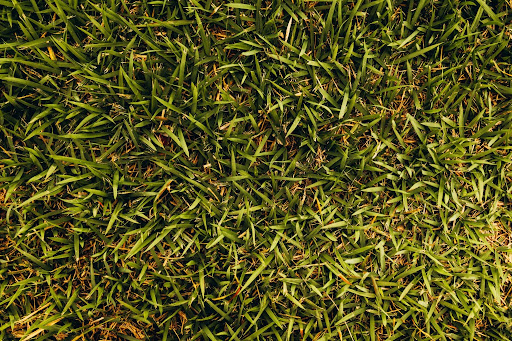
The best time to apply crabgrass preventer is before crabgrass seeds germinate, when soil temperatures consistently reach about 50–55°F (10–13°C). Knowing when to apply crabgrass preventer is the key to effective pre-emergent weed control.
Crabgrass preventer only works within a specific window; applied before germination, it blocks crabgrass before it starts. Applied after crabgrass has begun germinating, its effectiveness drops significantly, and many seedlings may escape control. That narrow margin is what makes timing the single most important factor in crabgrass prevention, more important than the product itself.
Key Takeaways
- Crabgrass preventer must be applied before crabgrass seeds begin to germinate, as the application window is narrow and easy to miss.
- Soil temperature, not the calendar, is the most reliable indicator of when crabgrass begins to germinate.
- Local climate and seasonal weather patterns can shift the ideal application window from year to year, making fixed calendar dates less reliable.
- Applying crabgrass preventer too early or too late can significantly reduce its effectiveness.
- Professional lawn care programs time applications based on actual soil conditions and local weather patterns, helping achieve more consistent crabgrass control.
Why Timing Matters for Crabgrass Prevention
Crabgrass preventer is most effective when applied before crabgrass seeds begin to germinate. It creates a protective barrier in the soil that allows a pre-emergent herbicide to stop crabgrass seeds from establishing before they emerge. Because this treatment works within a limited window, proper timing is often more important than the product itself.
- Helps prevent crabgrass before it grows: Pre-emergent herbicides stop crabgrass seeds from developing before they become visible.
- Applying too early can reduce protection: The protective barrier may begin breaking down before the full germination period has passed.
- Applying too late limits effectiveness: Once crabgrass has germinated, pre-emergent products cannot control established plants.
- Soil temperature determines the ideal timing: Consistent soil temperatures of 50–55°F (10–13°C) are a more reliable indicator than calendar dates because weather conditions vary each year.
What Affects the Best Time for Crabgrass Prevention?
Can You Apply Crabgrass Preventer and Grass Seed Together?
In most cases, crabgrass preventer and grass seed should not be applied at the same time because many pre-emergent herbicides also prevent desirable grass seed from germinating. When a lawn requires both weed prevention and overseeding, professional lawn care providers evaluate the property's condition and sequence treatments to balance successful grass establishment with effective crabgrass control.
- Most crabgrass preventers also affect new grass seed by preventing germination.
- Spring overseeding and pre-emergent applications can conflict if performed at the same time.
- Treatment timing should be coordinated based on the lawn's condition, seasonal needs, and renovation plans.
- Professional lawn care programs sequence applications to balance effective crabgrass prevention with successful turf establishment where appropriate.
Common Factors That Reduce Crabgrass Preventer Effectiveness
Application Timing: Applying crabgrass preventer before or after the optimal germination window can reduce its effectiveness. Proper timing for professional care depends on soil temperatures and seasonal conditions rather than fixed calendar dates.
Weather Conditions: An unusually warm spring can accelerate crabgrass germination, while rainfall or irrigation is typically needed to activate most pre-emergent herbicides. Excessive runoff or erosion, however, may reduce treatment effectiveness.
Product Selection: Different crabgrass preventers are designed for different lawn care situations. Some formulations may not be suitable where overseeding or new lawn establishment is planned, making product selection an important part of treatment planning.
How Teed & Brown Determines the Right Application Time
Because the timing window is narrow and shifts every year based on actual conditions, getting it right consistently requires more than checking a calendar date.
How Teed & Brown approaches crabgrass prevention for properties across Connecticut, New York, and New Jersey:
- Tracking actual soil temperature and local conditions rather than applying on a fixed date
- Adjusting timing property by property, since coastal, inland, and elevated areas don't warm at the same rate
- Selecting and sequencing treatment correctly when spring seeding is also planned for the same property
- Coordinating crabgrass prevention with the rest of a property's seasonal lawn care program, rather than treating it as a standalone task
By evaluating soil conditions, local weather patterns, and the property's overall lawn care schedule, Teed & Brown helps homeowners apply crabgrass preventer at the right time while coordinating it with other seasonal lawn treatments.
If crabgrass has come back despite previous prevention attempts, schedule a consultation with Teed & Brown to get the timing right this season.
FAQs
Why does timing matter for crabgrass preventers?
Crabgrass preventers are pre-emergent herbicides that only work before crabgrass seeds germinate. Once germination begins, they can no longer stop new plants from establishing, making proper application timing essential for effective crabgrass control.
What happens if crabgrass prevention is applied too late?
If crabgrass has already germinated, a pre-emergent preventer has little to no effect on it. Late application typically means dealing with active crabgrass growth through other treatment methods later in the season instead.
Does soil temperature matter for crabgrass prevention?
Yes, it's the primary trigger. Crabgrass reliably germinates once soil reaches a sustained temperature in the mid-50s°F, regardless of what the calendar says. Tracking actual soil temperature is more reliable than applying on a fixed date every year.
Is fall a good time to apply crabgrass preventer?
No. Crabgrass preventer is timed to block spring germination, not fall growth. By fall, the crabgrass that was going to germinate that year has already done so, and prevention products applied at that point don't serve their intended purpose.
What factors affect the ideal timing for application?
Soil temperature, local climate, and seasonal weather patterns all affect when the germination window opens each year. Properties in different parts of Connecticut, New York, and New Jersey can reach that threshold days or weeks apart, even in the same general region.
Can professional lawn care improve crabgrass prevention results?
Yes. Professional timing is based on tracked soil conditions specific to a property, rather than a generic calendar date, which is what makes it consistently effective from year to year regardless of how early or late spring arrives.
Private Consultation for Your Property.
True lawn care is not about promises-it's about stewardship. We manage each property with intention, precision, and accountability, so you can enjoy complete confidence in who you've entrusted your landscape to.