
.svg)

Signs of a Healthy Lawn: How to Know If Your Grass Is Truly Thriving
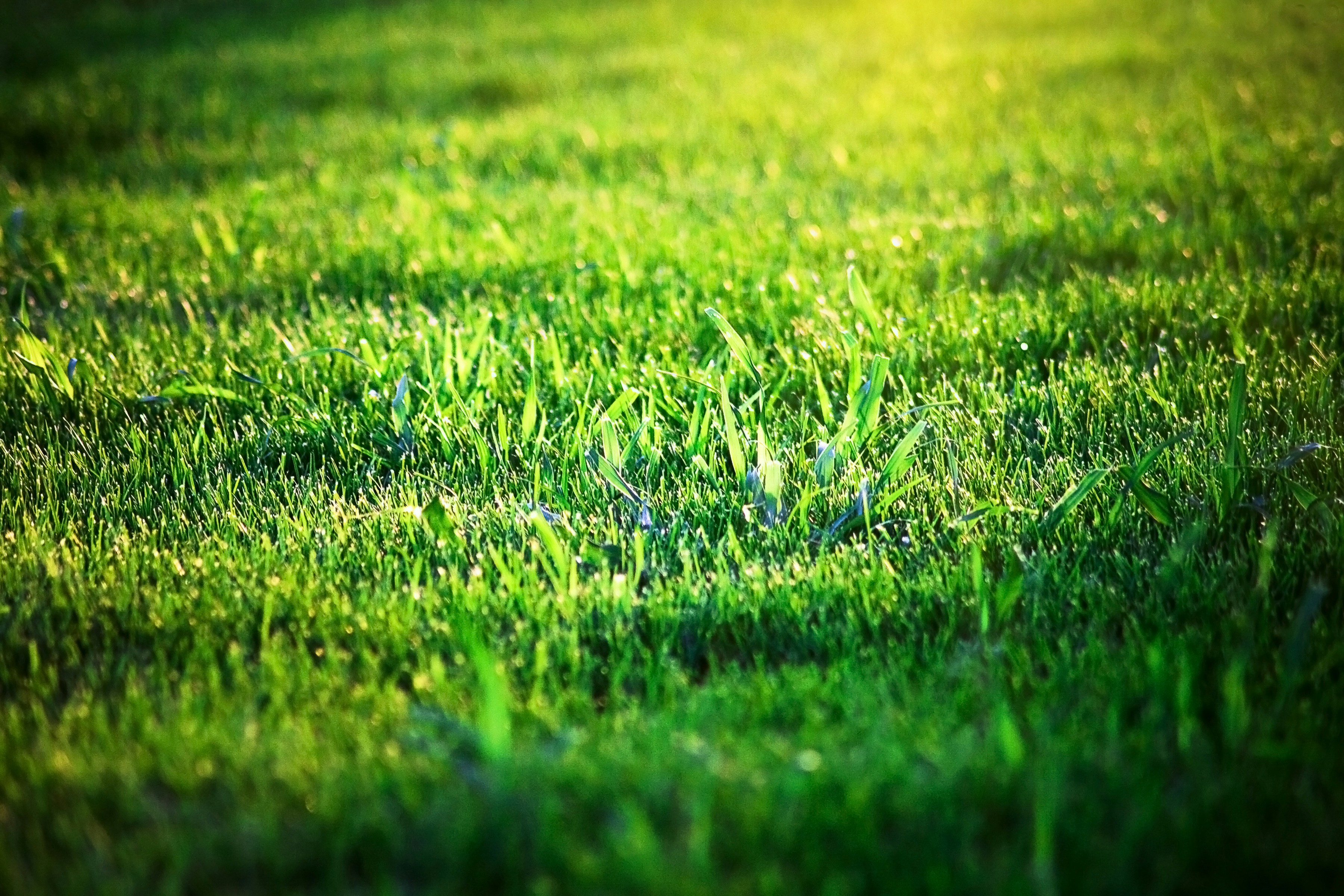
The signs of a healthy lawn go beyond color alone. Healthy turf combines good density, active growth, strong roots, and soil conditions that help grass remain resilient throughout the growing season.
A lawn that looks healthy in spring can still struggle by late summer if those underlying conditions aren't in place. Understanding what healthy grass actually looks like helps you spot problems early and keep your lawn performing throughout the season.
Key Takeaways
- Color alone doesn't confirm a healthy lawn; density, root depth, and recovery speed are the real indicators
- Shade shifts in grass color, from yellow to bluish-gray; each signals a specific underlying condition worth addressing early
- Bare soil between blades gives weeds direct access to sunlight, making turf density your first line of defense
- Deep, well-developed roots help grass remain healthy during heat, drought, and everyday wear.
- Soil pH, compaction, and organic matter directly control how much of your fertilization actually reaches the plant
- Lingering footprints, spongy footing, and rising weed pressure are early warning signs that show up before visible damage sets in
- Get a professional lawn care program built around what your turf actually needs, not just what it looks like on the surface.
What a Truly Healthy Lawn Looks Like
A healthy lawn is more than just green grass. Strong turf combines consistent color, dense coverage, healthy soil, and deep roots that help it recover from everyday wear and seasonal stress. Looking at these characteristics together gives a much clearer picture of overall lawn health than color alone.
Color is the First Clue of Lawn Health
Grass color changes before most other signs of a healthy lawn show up, making it one of the most reliable early indicators of what's happening beneath the surface. Each shade shift points to a specific underlying condition worth having a professional evaluate.
Density and Coverage
Turf density and even ground coverage are among the strongest indicators of a healthy lawn. The root zone and soil structure are what determine whether your lawn is genuinely thriving.
Thick Turf with No Visible Soil Patches
- Bare Ground Is a Warning: Any exposed soil means your turf is thin enough for weed seeds to reach direct sunlight and germinate. Once that gap opens, opportunistic species move in fast.
- Density Shades Out Competition: Thick grass blocks sunlight from reaching the soil, making it harder for weeds to establish naturally.
- Soil Stays Protected Underground: When the surface above is fully covered, the soil beneath retains moisture longer, stays cooler at the root zone, and loses less water to evaporation between watering cycles.
Even Grass Distribution Across All Areas
- Patchy Coverage Signals Underlying Stress: Uneven distribution points to soil compaction, localized nutrient deficiency, or drainage issues that require professional evaluation to identify and correct.
- Uniformity Confirms Root-Level Health: A healthy lawn looks the same across the property. Consistent coverage usually reflects healthy soil conditions and a well-developed root system across the lawn.
No Thinning or Weak Spots Forming
- Wear Paths Are Early Indicators: High-traffic areas that thin first usually indicate weak turf density. Dense grass withstands foot traffic much better than sparse turf.
- Thinning Compounds Quickly: Thin patches create openings for weeds, which compete with grass for water and nutrients. Addressing the cause early helps prevent the problem from spreading.
How Healthy Grass Actually Grows
Grass health includes the way your turf feels underfoot, how it recovers from pressure, and how it grows at the root level, all of which tell a more complete story than color alone.
How Healthy Grass Grows
- Lateral Spreading: Many cool-season grasses spread through rhizomes or stolons, while bunch-type grasses increase density through tillering. Together, these growth habits help create a thicker lawn over time.
- Crown Integrity: New leaf tissue emerges from the crown, the small white section just above the root base. As long as the crown stays intact, the plant continues to regenerate.
Soil Conditions That Support a Healthy Lawn
Soil structure, pH, and organic content directly determine whether your grass gets the water, air, and nutrients it needs to stay thick and green.
- Loam Texture: Loam provides the right balance of sand, silt, and clay, allowing roots to receive both moisture and oxygen while draining efficiently.
- pH Between 6.0 and 7.0: Cool-season grasses absorb nutrients most effectively within this slightly acidic range.
- Adequate Organic Matter: Organic matter improves soil structure, supports beneficial microbes, and helps release nutrients gradually.
- Good Permeability: Well-aerated soil allows water, oxygen, and nutrients to reach the roots. When soil becomes compacted, core aeration relieves compaction, improves root growth, and helps maintain long-term lawn health.
Signs of Long-Term Lawn Health
Long-term lawn health shows up in three places: the root zone, the surface, and how well your turf holds up under pressure. These are the signs of a healthy lawn worth paying attention to.
Soil and Root Health
- Deep, Anchored Roots: Healthy lawns develop deep, well-established root systems that sustain turf through heat, drought, and seasonal stress, drawing moisture and nutrients from well below the surface rather than relying on shallow soil conditions.
Appearance and Vigor
- Consistent Seasonal Performance: Healthy lawns green up evenly in spring, tolerate summer stress better, and recover more quickly during fall growing conditions.
- Even Regrowth: After cutting, healthy grass grows back at a consistent rate. Uneven regrowth may indicate differences in soil conditions, moisture, or nutrient availability.
Stress and Pest Resistance
- Minimal Weed Pressure: Dense turf naturally limits weed growth. The types of weeds that appear can also reveal underlying lawn problems. For example, clover often points to low nitrogen levels, while moss commonly develops where drainage is poor or soil remains heavily compacted. A lawn that naturally crowds out crabgrass and broadleaf weeds is one of the clearest signs of healthy turf.
- Clean Blade Appearance: Grass blades that remain smooth, upright, and free of spotting or lesions are less likely to be affected by active turf disease. Spotting, discoloration, or irregular texture often signal early-stage turf disease like dollar spot or red thread.
- Recovery in High-Traffic Areas: Turf that fills back in after repeated foot traffic has strong lateral growth and a solid root system. Spots that keep thinning out, no matter the season, are telling you something underneath needs a professional look.
When Lawn Health May Start to Decline
Soil conditions vary meaningfully across Connecticut, New York, and New Jersey. Coastal Fairfield County properties tend toward well-drained loam over glacial till, while inland towns like Newtown and Redding sit higher in elevation with rockier, shallower soil profiles.
Litchfield County towns like Washington and Kent carry limestone-influenced, more alkaline soil, different in chemistry from the rest of the state. Understanding which profile applies to a specific property is part of what allows a lawn care program to be calibrated accurately rather than applied generically
Warning Signs to Watch For
- Footprints That Remain Visible: Healthy turf quickly springs back after foot traffic. If footprints remain visible for an extended period, the lawn may be experiencing heat stress, drought stress, or reduced turf vigor.
- Color Changes Before Browning: A bluish-gray tint often signals drought stress, while yellow or brown patches may indicate nutrient deficiencies, disease, pests, or other lawn problems.
- Soft or Spongy Areas: A soft, spongy feel underfoot can indicate excess thatch or overly wet soil, both of which may limit healthy root growth.
The Main Triggers
- Heat Stress: Extended summer heat slows growth and increases moisture stress in cool-season grasses, reducing their ability to recover from everyday wear.
- Soil Compaction: High-traffic areas become compacted over time, restricting water and air movement to the roots and causing grass to thin.
- Pest and Fungal Activity: Grubs damage grass roots, while fungal diseases weaken turf during warm, humid conditions, causing thinning and discoloration
- Grass That Lifts Easily: Turf that pulls back easily from the soil, almost like rolling up a piece of carpet, may indicate grub damage beneath the surface because the roots have been eaten away.
How Teed & Brown Helps Keep Your Lawn Healthy
A healthy lawn is built through consistent care, proper timing, and treatments that support both the grass and the soil beneath it.
How Teed & Brown helps properties across Connecticut, New York, and New Jersey:
- Evaluating soil and turf conditions to identify what's limiting lawn health
- Seasonally timed fertilization based on the lawn's condition
- Core aeration to relieve soil compaction and improve root development, with overseeding when needed to increase turf density
- Addressing weeds, insects, and disease before they cause lasting damage
- Building a long-term lawn care program that supports healthy growth throughout the year
Request a consultation and find out what your lawn is actually capable of.
FAQ
What is the most important sign of a healthy lawn?
One of the clearest signs of a healthy lawn is consistent growth supported by dense turf, good color, and strong recovery from everyday stress. No single characteristic tells the whole story.
Can a healthy lawn still have small imperfections?
Yes, and that's completely normal. Minor bare patches, slight color variation between seasons, or temporary stress from foot traffic don't automatically mean your lawn is unhealthy.
Do weeds indicate an unhealthy lawn?
Weeds tend to move in when grass is thin or weak, so a heavy weed presence usually points to an underlying issue with soil quality, turf density, or nutrient levels. A few scattered weeds here and there are not necessarily a cause for concern.
Can weather affect the appearance of a healthy lawn?
Absolutely, yes. Heat, drought, and heavy rain can all cause temporary discoloration or stress, even in a well-cared-for lawn. Most lawns recover once conditions stabilize, especially when the root system is strong.
Can professional lawn care improve lawn health?
Yes. Professional lawn care combines soil evaluation, properly timed treatments, and practices such as fertilization, aeration, and overseeding to improve overall lawn health and long-term performance.
Private Consultation for Your Property.
True lawn care is not about promises-it's about stewardship. We manage each property with intention, precision, and accountability, so you can enjoy complete confidence in who you've entrusted your landscape to.