
.svg)

Types of Grass Weeds in Lawns: Identification & Control Guide
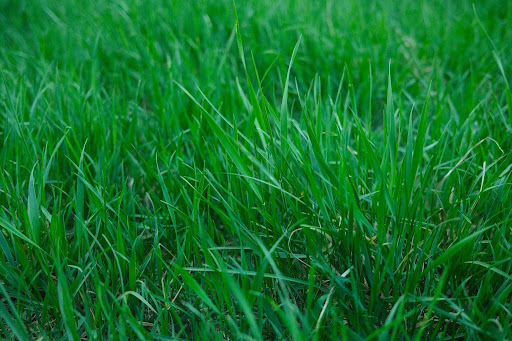
Grass weeds in lawns include crabgrass, nutsedge, quackgrass, annual bluegrass, goosegrass, Dallisgrass, Bermudagrass, foxtail, volunteer ryegrass, and bentgrass. These weeds compete with desirable turf for water, nutrients, sunlight, and root space, reducing lawn density and overall appearance.
Unlike broadleaf weeds, many grass weeds closely resemble turfgrass during their early growth stages, making grass weed identification more difficult.
Knowing how to identify these common lawn weeds can help you understand what's affecting your lawn and when it's time to schedule a professional lawn evaluation.
Key Takeaways
- Crabgrass, nutsedge, quackgrass, annual bluegrass, goosegrass, Dallisgrass, Bermudagrass, foxtail, volunteer ryegrass, and bentgrass are among the most common grass weeds found in cool-season lawns.
- Grass weeds spread in different ways, through seeds, rhizomes, stolons, or underground tubers, which influences how they are controlled.
- Thin turf, compacted soil, and poor drainage are the leading conditions that encourage grass weed infestations.
- Many grass weeds closely resemble desirable turf during early growth, making accurate weed identification essential before selecting a treatment program.
- Recurring infestations often indicate underlying lawn issues, not just the presence of weeds.
Why Grass Weeds Are a Problem for Lawns
Grass weeds compete directly with desirable turfgrass for sunlight, water, nutrients, and root space. Once established, many species spread rapidly through seeds, rhizomes, stolons, or underground tubers, making them difficult to eliminate without targeted treatment.
Common problems caused by grass weeds include:
- Compete With Healthy Turfgrass: Aggressive weeds such as crabgrass and goosegrass absorb moisture and nutrients before surrounding grass can use them, weakening the lawn over time.
- Reduce Lawn Density And Appearance: Many grass weeds grow at different rates, colors, and textures than turfgrass, creating patchy, uneven areas that reduce curb appeal.
- Spread Rapidly In Weak Areas: Bare soil, compacted ground, and thinning grass provide ideal conditions for weeds to establish and spread.
- Require Additional Lawn Treatments: Weed infestations often require targeted weed control, fertilization, and overseeding to restore turf density.
10 Most Common Types of Grass Weeds in Lawns
Grass weeds vary in their growth habits, appearance, and the conditions they thrive in. Some spread through seeds, while others expand using underground rhizomes or stolons, making them difficult to control once established.
Knowing how to identify these common lawn weeds can help you choose the right treatment and prevent them from taking over your turf.
- Crabgrass (Digitaria sanguinalis)
Crabgrass is a common summer lawn weed that germinates in late spring and grows rapidly in thin turf areas exposed to full sunlight. It has light green, coarse leaf blades that spread outward in a low, star-shaped pattern, forming large circular patches.
Mature plants produce finger-like seed heads that release thousands of seeds. Crabgrass commonly invades:
- bare spots
- lawn edges
- sidewalks
- driveways where healthy turf is sparse
- Nutsedge (Cyperus esculentus and Cyperus rotundus)
Nutsedge is a grass-like weed with a fast spread that thrives in moist soil conditions and poorly drained lawns. Although it resembles grass, it can be identified by its bright yellow-green color, glossy leaves, and distinctive triangular stem.
Nutsedge grows noticeably faster than surrounding turfgrass and spreads through underground tubers, making it difficult to remove by hand. It is commonly found in overwatered lawns, low-lying areas, and heavy clay soils.
- Quackgrass (Elymus repens)
Quackgrass is a deep-rooted perennial weed that spreads aggressively through underground rhizomes, making it difficult to manage once established. It has coarse blue-green leaves, upright stems, and wheat-like seed heads that distinguish it from most lawn grasses.
Quackgrass is commonly found along lawn edges, disturbed soil, garden borders, and newly seeded areas, where its extensive root system allows it to spread quickly.
- Annual Bluegrass (Poa annua)
Annual Bluegrass, commonly known as Poa annua, appears as light green patches that contrast with darker cool-season turf such as Kentucky bluegrass and perennial ryegrass. It has soft, fine-textured leaves and produces small white seed heads throughout the growing season, even in closely maintained lawns.
This winter annual thrives in moist, compacted soils and is frequently found in residential lawns, golf courses, and athletic fields throughout the Northeast.
- Goosegrass (Eleusine indica)
Goosegrass is a summer annual weed commonly found in compacted soil areas, where it competes strongly with turfgrass for water and nutrients. It forms a flattened, wagon-wheel-shaped rosette with dark green leaves and a distinctive white or silver center at the base of the plant.
Goosegrass is most often found in high-traffic areas, along sidewalks, driveways, and compacted lawns, where healthy grass struggles to establish.
- Dallisgrass (Paspalum dilatatum)
Dallisgrass is a coarse-textured perennial grass weed that grows in dense clumps, creating uneven patches throughout the lawn. It can be identified by its wide, blue-green leaves and tall seed stalks with several dark seed spikes arranged along the stem. less common in the Northeast but occasionally found in warm, sunny areas with compacted or poorly maintained turf.
Unlike desirable cool-season turfgrass, Dallisgrass grows in bunches rather than spreading evenly, making infested areas stand out. It commonly develops in lawns with poor drainage, compacted soil, and areas receiving excessive moisture.
- Bermudagrass (Cynodon dactylon) – Invasive Weed
Although Bermudagrass is used as a desirable turfgrass in warmer regions, it is considered an invasive weed in cool-season lawns throughout Connecticut, New York, and Northern New Jersey. It spreads aggressively through both above-ground stolons and underground rhizomes, allowing it to form dense patches that crowd out Kentucky bluegrass, perennial ryegrass, and fine fescues.
Bermudagrass is identified by its fine-textured gray-green leaves and low-growing, wiry stems. It is most commonly found in sunny areas where it can spread rapidly into surrounding turf.
- Foxtail (Setaria species)
Foxtail is an annual grassy weed commonly found in disturbed soil areas, newly established lawns, and thin turf. It is easily recognized by its upright growth and dense, bristly seed heads that resemble a fox's tail, which are its most distinctive identifying feature.
Before the seed heads develop, foxtail can often be identified by its broader leaf blades and rougher texture compared to most cool-season turfgrasses. Depending on the species, leaves range from light to dark green and may have fine hairs near the base. Foxtail spreads exclusively through seed and often appears along construction sites, lawn edges, and bare patches where desirable grass has not fully established.
- Ryegrass Volunteers (Lolium perenne)
Volunteer ryegrass refers to unwanted perennial ryegrass plants that emerge after previous overseeding or from seed that remained dormant in the soil. Because perennial ryegrass germinates quickly, it may appear as isolated clumps with a darker green color and faster growth than the surrounding turf.
It is typically identified by its narrow, glossy leaf blades, upright bunch-type growth habit, and smooth texture, which often stand out against the finer appearance of Kentucky bluegrass or fine fescue. These patches often create an uneven lawn texture, particularly in mixed cool-season lawns where Kentucky bluegrass or fine fescues are the dominant grasses. Volunteer ryegrass is most noticeable during the spring and fall growing seasons.
- Bentgrass (Agrostis stolonifera)
Bentgrass is a fine-textured invasive grass that spreads rapidly through above-ground stolons, forming dense, circular patches within residential lawns. Its bright green color and soft, fine blades often contrast with surrounding cool-season turfgrass, making infested areas appear patchy or uneven.
Bentgrass thrives in moist, poorly drained conditions and is frequently found in shaded lawns or areas with excessive irrigation. Because it spreads laterally rather than growing in individual clumps, it can gradually replace desirable turf if left untreated.
What Causes Grass Weeds to Grow in Lawns
Recurring grass weeds are often a sign of underlying lawn conditions that favor weed growth over healthy turf. Common causes include:
- Thin or Weak Turf: Thin turf caused by drought, grub damage, disease, winter injury, or heavy foot traffic creates open areas where weeds such as crabgrass, foxtail, and annual bluegrass (Poa annua) can establish and spread.
- Soil Compaction: Compacted soil limits root growth by restricting oxygen, water, and nutrient movement. This allows weeds that tolerate compacted conditions, including goosegrass (Eleusine indica) and annual bluegrass (Poa annua), to outcompete desirable turf.
- Inconsistent Lawn Care: Practices such as cutting grass too short, inconsistent fertilization, or delayed lawn treatments weaken turf density, creating favorable conditions for fast-growing weeds like crabgrass and foxtail.
- Excess Moisture or Drainage Issues: Poor drainage and consistently wet soil encourage moisture-loving grass weeds, including:
- Yellow nutsedge
- Purple nutsedge
- Bentgrass
- Dallisgrass
When Professional Lawn Weed Control Is Recommended
Some grass weeds can be controlled as part of a routine lawn treatment program, while others spread through underground rhizomes, stolons, or tubers that allow them to return even after the visible growth is gone.
Professional treatment is recommended when:
- Multiple grass weed species are present, such as crabgrass, goosegrass, annual bluegrass, and nutsedge, as each responds differently to lawn treatments.
- Perennial weeds continue to return, including quackgrass, bentgrass, Bermudagrass, or nutsedge, which spread through underground plant structures rather than seed alone.
- Grass weeds have spread across large sections of the lawn, making isolated treatments less effective and increasing competition with desirable turf.
- Recurring infestations occur in the same areas, often indicating issues such as compacted soil, poor drainage, or thinning turf that need to be addressed alongside weed control.
- The weed cannot be confidently identified. Many grassy weeds closely resemble cool-season turf during early growth, and incorrect identification can delay effective treatment.
How Teed & Brown Helps Identify and Control Grass Weeds
Effective grass weed control starts with accurate weed identification and understanding why the weeds are spreading.
Teed & Brown helps homeowners by:
- Identifying the grass weed species during scheduled service visits.
- Evaluating lawn conditions such as turf density, soil compaction, and drainage.
- Recommending lawn treatments based on the weed type and severity of the infestation.
- Strengthening turf through weed control, fertilization, aeration, and seeding to help reduce future weed pressure.
Schedule a consultation with Teed & Brown to identify the grass weeds in your lawn and develop a treatment plan customized to your property across Connecticut, New York, and Northern New Jersey.
FAQs
How are grass weeds different from regular lawn grass?
Grass weeds grow more aggressively than desirable turfgrass and often compete for water, nutrients, and sunlight. They also differ in color, leaf texture, growth habit, and spread. For example, crabgrass spreads outward through seed, quackgrass spreads by underground rhizomes, while nutsedge has a distinctive triangular stem and grows faster than surrounding turf.
Why do grass weeds spread so quickly in lawns?
Many grass weeds produce thousands of seeds or spread through rhizomes, stolons, or underground tubers, allowing them to establish rapidly. Thin turf, compacted soil, and poorly drained areas also provide ideal conditions for weeds such as crabgrass, goosegrass, and nutsedge to spread.
Are grass weeds seasonal or year-round problems?
It depends on the species. Crabgrass, goosegrass, and foxtail are summer annual weeds, while annual bluegrass (Poa annua) is a winter annual. Perennial weeds such as quackgrass, bentgrass, and Bermudagrass can persist for multiple years if not properly controlled.
Can grass weeds spread from one lawn to another?
Yes. Grass weeds commonly spread through wind-blown seeds, equipment, foot traffic, pets, and runoff. Some species, including quackgrass, Bermuda grass, and bentgrass, can also spread into neighboring lawns through underground rhizomes or above-ground stolons.
Is professional lawn care helpful for grass weed control?
Yes. Professional lawn care helps accurately identify grass weed species, determine the conditions contributing to recurring infestations, and recommend lawn treatments that improve turf density while reducing future weed pressure.
Related posts
Private Consultation for Your Property.
True lawn care is not about promises-it's about stewardship. We manage each property with intention, precision, and accountability, so you can enjoy complete confidence in who you've entrusted your landscape to.