
.svg)

Fall Lawn Care Tips for Connecticut
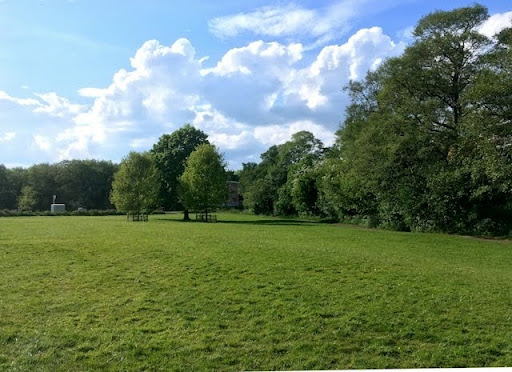
Fall lawn care in Connecticut starts working best in late August, when warm soil and cooling air still favor cool-season grass recovery. That window arrives just as Connecticut lawns are carrying a summer's worth of wear into September. Thinning patches and tired roots show up fast once the heat breaks, so early fall is the best time to address them.
That's why fall lawn care tips for Connecticut rely on precise timing. A single treatment rarely undoes a summer's damage. Connecticut's coastal and inland climates need a sequenced approach, pairing soil care, aeration, and fertilization at the right time.
Key Takeaways
- A post-summer check shows the brown spots, bare patches, and stress your lawn actually has
- Fall aeration loosens compacted soil, so roots and water can move freely again
- Overseeding fills thin areas while cool days and warm soil favor germination
- Early fall fertilizing builds root strength before winter sets in
- A soil test corrects pH so nutrients actually reach the grass
- Fall weed control removes competition while your lawn is busy recovering
- A set fall timeline keeps every step working in the right order
Inspect Your Lawn After Summer
Before fall lawn care tips for Connecticut properties can move forward, you need to know what you're dealing with. Walk your yard and check for brown patches, bare spots, pest damage, and soil compaction left behind by summer heat.
Check for Damage and Stress
- Brown Grass: Most discoloration is dormancy from heat, not death.
- Base Check: Green tissue at the stem base confirms the grass is still alive.
- Bare Spots: Mark thin or dead patches for fall lawn treatment Connecticut plans to target.
- Pest Signs: Chinch bugs and grubs often surface at the edges of dead zones, a detail worth flagging before lawn aeration in Connecticut starts.
Aerate Your Connecticut Lawn When Needed
Fall lawn care tips for Connecticut properties center on timing aeration correctly. Late August through October is the primary window, since cool-season grass is actively growing and recovers fastest.
Best Timing
- Primary Window: Late August to October, with September as the peak for lawn aeration in Connecticut.
- Spring Option: April to early May allows spot aeration for high-traffic or compacted areas, though weed pressure limits it to targeted zones rather than the full lawn.
- Weather Cue: Aerate once daytime highs drop into the mid-70s and soil holds moisture, a core part of preparing lawn for winter in Connecticut.
- Season Priority: Fall stays the stronger choice for Connecticut fall lawn care, since recovery time before winter is longer than in spring.
Overseed Thin or Damaged Areas
Fall pairs cooler air with warm soil, giving seed the best shot at germination before winter. This makes it the strongest window for fall lawn fertilization Connecticut programs paired with overseeding.
How Overseeding Works
- Surface Prep: Turf is cut short and cleared of debris so seed reaches the soil.
- Soil Contact: Bare spots are roughened for good seed contact, and compacted areas benefit from lawn aeration in Connecticut beforehand.
- Seed Selection: A cool-season blend suited to CT conditions is spread evenly across the lawn.
- Starter Feed: A phosphorus-rich starter supports early root growth as part of fall lawn treatment Connecticut plans.
- Moisture Control: Consistent watering keeps soil damp until seed establishes, a key step in preparing lawn for winter in Connecticut.
Fertilize Your Lawn in Early Fall
Early fall marks the best window for fertilization on cool-season lawns across Connecticut. Cooler air and warm soil push nutrients toward the roots instead of the blades. These fall lawn care tips for Connecticut homeowners start with correct timing and the right nutrient blend.
Why Fall Fertilization Matters
- Root Development: Fall lawn fertilization in Connecticut pushes growth into deeper, stronger roots.
- Summer Repair: Nutrients rebuild turf worn down by heat and drought stress.
- Spring Readiness: Stored nutrients support winter lawn care in Connecticut and an earlier green-up.
Choosing the Right Fertilizer
- Soil Needs: Nutrient ratios shift with soil type, so a proper mix depends on what your lawn is missing.
- Nitrogen Timing: A slow-release formula feeds turf gradually through fall instead of forcing a quick, short-lived response.
- Professional Testing: A soil test before treatment confirms which nutrients your lawn actually needs, so applications aren't guesswork.
Test Your Soil and Correct pH Problems
Soil pH controls how well your lawn absorbs nutrients, and correcting it is one of the most effective fall lawn care tips for Connecticut properties.
What a Soil Test Reveals
- Current pH Level: Shows where your lawn falls on the acidic to alkaline scale, a key step in any fall lawn treatment Connecticut plan.
- Nutrient Gaps: Flags deficiencies limiting uptake from your fall lawn fertilizer Connecticut program.
- Treatment Plan: Guides the exact lime or sulfur correction your soil needs before winter.
How Technicians Correct Imbalances
- Raising low pH: Pelletized lime is applied gradually to bring acidic soil into the 6.2 to 7.0 range, supporting healthier lawn care in fall Connecticut.
- Lowering high pH: Elemental sulfur corrects alkaline soil without burning established turf.
Control Fall Lawn Weeds
Weeds pull nutrients into their roots as they prepare for winter, which makes fall the right window for targeted treatment as part of any fall lawn treatment Connecticut plan. Cool-season turf is actively recovering during this period, giving it the advantage over stressed weeds.
Why Fall Is Ideal for Weed Control
- Root Absorption: As weeds pull energy down into their roots for winter, herbicide travels with it and kills the plant at the source.
- Less Competition: Recovering turf grows faster than stressed weeds in fall, helping your lawn crowd them out as part of consistent fall lawn care in CT.
Continue Watering Your Lawn Into Fall
Cooler fall temperatures reduce evaporation and change how often your lawn needs water. Here is how to adjust your fall lawn care CT routine for the season.
Fall Watering Schedule
- Water Less Often: Your fall lawn care Connecticut schedule can shift to once every 10 days, depending on rainfall.
- Time it Right: Watering earlier in the day, before the heat sets in, allows better soil absorption than evening watering.
- Watch the Weather: Watering should pause once your lawn enters dormancy near freezing temperatures.
Keep Fallen Leaves From Smothering Your Lawn
Thick leaf layers block sunlight and trap moisture, inviting disease into your fall lawn care Connecticut routine. Clearing them protects turf health through winter.
Mulch Light Leaf Cover
- Shred Often: Frequent shredding passes prevent leaves from matting during fall lawn care in CT.
- Break Down Finely: Fine leaf pieces settle between blades and enrich the soil.
- Limit Coverage: Leaf fragments should never cover more than 20 percent of your turf.
Clear Heavy Piles
- Remove Excess Leaves: Thick piles need raking away from grass into beds or around trees.
- Start Composting: Extra leaves make a strong base for next year's compost.
- Finish the Cleanup: A final leaf removal once 80 to 90 percent have fallen, usually by early November, completes the process.
Connecticut Fall Lawn Care Timeline
Fall lawn care tips for Connecticut follow a set sequence, from root building in September through dormancy prep by winter. Each stage targets a specific goal, so timing shapes how your lawn handles cold stress ahead.
Mid-August to September
- Aeration: Core aeration relieves compacted soil, an early step in lawn aeration Connecticut treatments before overseeding.
- Soil Testing: A soil test guides fertilizer decisions as part of fall lawn care CT programs.
- Renovation: Bare or damaged sections get reseeded while conditions still favor germination, a key part of lawn care in fall Connecticut.
September to Mid-October
- Fertilization: Nitrogen-rich treatments drive root growth through fall lawn fertilizer Connecticut applications.
- Weed Management: Broadleaf weeds get cleared before new seed roots, a routine part of fall lawn treatment Connecticut services.
- Watering: Consistent moisture supports fall lawn fertilization Connecticut treatments as new seed establishes.
October
- Leaf Management: Weekly clearing keeps leaves from matting turf, a routine step in fall lawn care in Connecticut.
- Turf Evaluation: Technicians check establishment progress during scheduled visits, a standard part of Connecticut fall lawn care.
- Watering Wind-Down: Outdoor watering tapers off and stops as part of preparing the lawn for winter in Connecticut.
November
- Final Leaf Cleanup: A last pass clears the lawn ahead of dormancy, closing out winter lawn care Connecticut prep.
- Reduced Watering: Watering tapers off as growth slows for the season.
Prepare Your Connecticut Lawn for Fall With Teed & Brown
Generic programs treat every lawn the same. Teed & Brown builds fall lawn care tips for Connecticut properties around what your turf actually needs, backed by licensed technicians and a service record homeowners trust across the region.
- Aeration: Our lawn aeration in Connecticut targets compacted soil between late August and October, timed to your property's condition.
- Overseeding: We seed immediately after aerating, giving bare patches the density and coverage a premium lawn demands.
- Fertilization: Our fall lawn fertilization Connecticut program strengthens roots before winter, based on evaluations made during your scheduled visit.
Fall rewards precision, not guesswork. Teed & Brown times every step to your lawn's actual condition. Trust the process and let your yard enter winter ready.
FAQ
When should I start fall lawn care in Connecticut?
Late August through October is the ideal window, when soil stays warm, but temperatures cool enough for root growth. Starting fall lawn care in Connecticut early gives grass time to recover before the ground freezes.
When is the best time to overseed a lawn in Connecticut?
Overseed right after aeration, targeting inland lawns by late September and coastal lawns by early October. This timing gives new seed enough moisture and mild weather to take hold before winter.
When should I fertilize my lawn in Connecticut?
Apply an early fall feeding before the first frost, then a final application in November before the ground freezes. This fall lawn fertilization Connecticut schedule strengthens roots and supports spring green-up.
How do I prepare my Connecticut lawn for winter?
Preparing your lawn for winter in Connecticut means pairing aeration, overseeding, fertilization, and steady leaf cleanup before the ground freezes. Each step keeps roots strong through the cold months ahead.
What type of grass seed is best for Connecticut lawns?
Connecticut's climate favors cool-season grass blends built for freezing winters and humid summers. A professional program works this blend into your fall lawn care tips for Connecticut, so your lawn comes back strong each year.
Related posts


Private Consultation for Your Property.
True lawn care is not about promises-it's about stewardship. We manage each property with intention, precision, and accountability, so you can enjoy complete confidence in who you've entrusted your landscape to.