.svg)

Why Are There Bare Spots in Your Lawn? Common Causes and What It Means
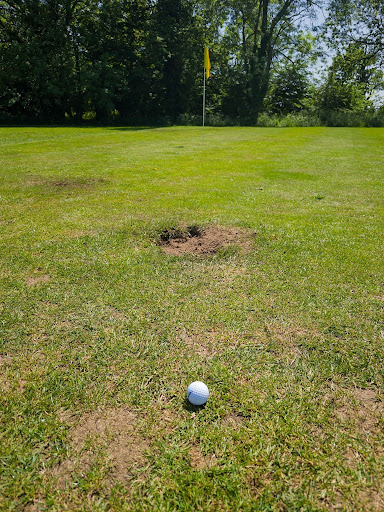
Bare spots in a lawn are areas where grass has died completely, leaving exposed soil instead of healthy turf. Unlike thinning or discolored grass, bare spots rarely fill in on their own because an underlying problem, such as shade, soil compaction, heavy foot traffic, disease, pests, or poor drainage, continues to prevent new grass from establishing. Identifying that cause is the first step to repairing the area successfully.
Key Takeaways
- A bare spot means no grass is growing there, which is different from thinning or discoloration.
- Shade, soil compaction, heavy foot traffic, pests, disease, pet urine, and poor drainage are the most common causes of bare spots.
- Large bare spots rarely recover without reseeding because little or no living turf remains to fill the area.
- The same spot going bare repeatedly usually points to a site-specific cause, not a general lawn problem.
- Professional lawn evaluations help determine why grass is failing to establish and recommend treatments based on the condition of the lawn.
What Are Bare Spots in a Lawn?
A bare spot is an area where grass has stopped growing entirely, leaving exposed soil rather than thin, weak, or discolored turf. That distinction matters. A thinning area still has living grass that can recover or thicken with the right care. A bare spot has nothing left to recover, which means the underlying cause has to be addressed before anything will grow there again. Successful repair depends on identifying and correcting the condition preventing grass from growing.
Common Causes of Bare Spots in Lawn
Excess Shade or Low Sunlight: Most cool-season grasses perform best with at least 4–6 hours of direct sunlight each day. Areas under dense tree canopy, alongside structures, or in permanent shadow often can't support grass at all, regardless of soil quality or care, which is why the same spot can stay bare year after year despite repeated reseeding attempts.
Heavy Foot Traffic And Lawn Stress: Repeated traffic across the same path, a shortcut to a gate, or a spot where kids or pets consistently run, compacts the soil and wears grass faster than it can regenerate. Over time, that combination leaves the area unable to support turf at all.
Soil Compaction and Poor Drainage: Compacted soil restricts root growth and limits the movement of water, air, and nutrients through the soil. Even when new seed is added, roots often fail to establish unless compaction is relieved through aeration or other soil improvement.
Lawn Diseases and Fungal Infections: Severe fungal diseases can kill turf, leaving bare areas after the dead grass breaks down or is removed.
Insect or Pest Damage: Grubs feed on grass roots below the surface, while chinch bugs damage grass by feeding on the blades and stems. Severe infestations weaken turf enough for grass to die completely, leaving bare patches behind.
Pet Urine or Fertilizer Burn: Concentrated nitrogen, from pet urine or from fertilizer applied too heavily or unevenly, can kill grass outright at the point of contact rather than just stressing it, leaving bare spots after the damaged grass dies.
Winter Salt Damage and Snow Mold: Road salt, sidewalk de-icing products, prolonged snow cover, and snow mold can damage turf during winter, particularly along driveways, walkways, and road edges. These conditions may leave bare areas that become noticeable once grass resumes growth in spring.
Poor Lawn Nutrition: Poor soil fertility can weaken turf over time, reducing its ability to recover from normal wear, drought, pests, and disease. When grass dies completely, bare areas may develop, although nutrient deficiencies are rarely the only cause.
https://youtu.be/2G11tlYWcLU?si=ciBThjNdCk1r9aJK
How Bare Spots Develop in Lawns Over Time
Bare spots usually develop gradually, not overnight. Grass first begins to thin as roots weaken from problems like compaction, disease, pests, drought, or heavy traffic. As more plants die, the soil becomes exposed, creating a bare patch. If the underlying cause isn't corrected, the exposed area often expands, and new grass struggles to establish.
Grass Begins to Thin: Localized stress from compaction, shade, pests, disease, drought, or heavy traffic causes grass to lose vigor and thin out.
Root Systems Continue to Decline: As roots weaken or die, the remaining grass can no longer absorb enough water and nutrients to stay healthy.
Soil Becomes Exposed: Once enough grass dies, patches of bare soil appear, leaving the area vulnerable to erosion and weed invasion.
Bare Spot Expands: If the underlying cause remains, surrounding grass continues to decline, making the exposed area larger and more difficult to restore.
What Makes Bare Spots Harder to Recover
Even after the original cause has been identified, some conditions continue to prevent new grass from establishing. These factors slow recovery and make bare spots more likely to persist or return.
Poor Soil Conditions
Even after the original problem has been corrected, compacted or nutrient-poor soil can prevent new grass from establishing. Improving growing conditions is often necessary before new grass can establish successfully.
Unfavorable Soil Moisture
Both prolonged dryness and saturated soil can slow grass establishment and recovery. When soil moisture remains inconsistent, bare areas often persist longer because new roots struggle to develop.
Weed Encroachment
Bare soil provides ideal conditions for weeds, which compete with new grass for sunlight, moisture, and nutrients. Once established, weeds make it even harder for desirable turf to fill the area unless they are addressed.
When to Consider Professional Lawn Care Services
Because bare spots have no living grass left to recover, simply reseeding rarely works unless the underlying cause is identified first. Professional evaluation helps determine what's preventing new grass from establishing.
How Teed & Brown approaches bare spot diagnosis and repair:
- Evaluating the location, size, and pattern of bare areas.
- Determining whether soil conditions, compaction, shade, insects, disease, or other factors are preventing healthy turf growth.
- Recommending the most appropriate treatment based on the condition of the lawn rather than a one-size-fits-all approach.
- Supporting long-term lawn recovery through services such as fertilization, aeration and overseeding, weed control, or grub control when appropriate.
If bare areas continue returning or grass struggles to establish, schedule a consultation with Teed & Brown for a professional lawn evaluation and a customized treatment plan for your property.
FAQs
Are bare spots different from brown patches?
Yes. A brown patch is discolored but still living turf, while a bare spot has no living grass at all, just exposed soil. Brown patches can often recover with the right treatment, while bare spots require new grass to establish before any coverage returns.
Can foot traffic cause bare spots in the lawn?
Yes. Repeated traffic in the same area compacts soil and wears down grass faster than it can recover, eventually leaving a bare path or patch where consistent foot traffic occurs, common near gates, walkways, and frequently used shortcuts across a yard.
Do pests contribute to bare spots?
Yes. Grub damage in particular can kill grass outright by destroying its root system below the surface. Once root damage is severe enough, the affected area dies completely rather than just thinning, leaving a bare patch where the infestation was concentrated.
Why do bare spots often appear in the same areas repeatedly?
A bare spot that keeps returning usually points to a site-specific cause, like persistent shade, a high-traffic path, or compacted soil, that hasn't actually been addressed. Reseeding without correcting that underlying condition typically produces the same bare result again.
Can professional lawn care help fix bare spots?
Yes. Professional lawn care identifies the specific reason an area went bare, whether shade, compaction, disease, pests, or soil quality, and corrects that condition before attempting to reestablish grass. This approach is what allows new turf to actually take hold instead of going bare again.
Private Consultation for Your Property.
True lawn care is not about promises-it's about stewardship. We manage each property with intention, precision, and accountability, so you can enjoy complete confidence in who you've entrusted your landscape to.