
.svg)

Best Time to Aerate Your Lawn for Stronger Roots and Healthier Turf
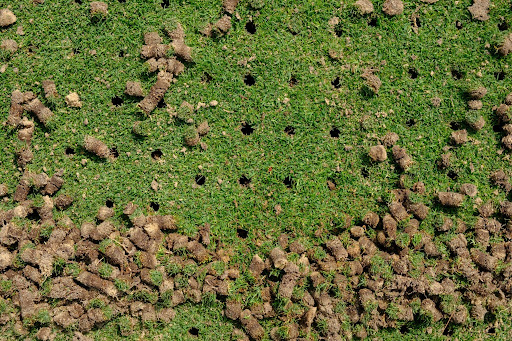
The best time to aerate your lawn depends on your grass type. Cool-season grasses like Fescue and Kentucky Bluegrass respond best to early fall aeration, ideally between September and October. Warm-season varieties like Bermuda and Zoysia benefit most from late spring through early summer, between May and July.
Aeration works by giving your turf a recovery window, which is exactly why timing is everything. Your grass needs to be in active growth to absorb the benefits and fill in the channels left behind. Aerate outside that window, and the process does more harm than good. The secret to successful lawn aeration isn’t just to know how to aerate but to know exactly when to do it.
Key Takeaways
- Cool-season grasses aerate best during the early fall season (August-October); warm-season varieties need late spring, once soil temperatures hold above 70°F.
- Aerating outside your grass type's active growth window causes more damage than it fixes.
- Aim for moist but firm soil; bone-dry or waterlogged ground undermines the process.
- Core aeration paired with same-day overseeding produces better germination and root depth than either treatment alone.
- Annual aeration suits clay soil and high-traffic lawns; sandy or lightly used turf needs it every two to three years.
- Pooling water, fast-drying turf, and a screwdriver that won't push through are all signs of compaction.
- With Teed & Brown, you get a property-specific aeration plan built around your soil type, grass variety, and local conditions across CT, NY, and NJ.
Best Time to Aerate Cool-Season Lawns
Cool-season grasses such as Kentucky bluegrass, perennial ryegrass, and tall fescue grow most actively when temperatures are mild. The best time to aerate these lawns is during periods of active growth, allowing the turf to recover quickly and develop stronger roots.
The Ideal Aeration Window: Early Fall
For most cool-season lawns, late summer through early fall (August-October) is the best time to aerate. During this period, cooler temperatures, increased moisture, and active root growth create ideal conditions for recovery. Fall aeration also prepares the lawn for winter and supports thicker growth the following spring.
Benefits of aeration during this period include:
- Faster root growth and recovery
- Improved nutrient absorption before winter
- Better results from overseeding
- Reduced competition from many common weeds
A Good Alternative: Early Spring
Spring aeration plays a different role than fall. Rather than treating the entire property, spring aeration is typically used for spot treatment, addressing bare patches, shaded areas, and sections damaged or thinned out over winter. Increased spring weed pressure makes full-property aeration and overseeding less reliable during this window, which is why fall remains the season for treating the whole lawn.
When to Avoid Aerating Cool-Season Grass
Avoid aerating during:
- Summer heat and drought stress
- Winter dormancy
- Extremely wet or waterlogged soil conditions
Aerating during stressful periods can slow recovery and reduce the benefits of the process. Ideally, soil should be moist but not saturated when aerating.
Signs Your Cool-Season Lawn Needs Aeration
Your lawn may benefit from aeration if you notice:
- Water pooling after rain
- Hard, compacted soil
- Thin or patchy turf
- Heavy foot traffic areas
- Excessive thatch buildup
Addressing compaction during the proper aeration window helps restore airflow, water movement, and nutrient penetration throughout the root zone.
Why Timing Matters More Than Aeration Itself
Aeration is most effective when your lawn is actively growing and can quickly recover from the holes created in the soil. Even the most thorough aeration will deliver limited results if it occurs during the wrong season or when the grass is not actively growing.
What Happens When You Aerate at the Right Time
When aeration is performed during your lawn’s peak growing season, the benefits are faster and more noticeable:
- Roots grow deeper and stronger through the newly created soil openings.
- Water penetrates more effectively, reducing runoff and improving drought tolerance.
- Nutrients reach the root zone faster, supporting healthier turf growth.
- Soil compaction is relieved, allowing better airflow and microbial activity.
- Grass recovers quickly, filling in aeration holes and creating a thicker lawn.
- Overseeding success improves as seeds gain better soil contact and germination conditions.
The result is a healthier, denser, and more resilient lawn that can better withstand foot traffic, heat stress, and changing weather conditions.
Before scheduling aeration, it's important to consider:
- Grass type
- Climate and growing season
- Soil compaction levels
- Recent rainfall and soil moisture conditions
- Upcoming fertilization or overseeding plans
By aligning aeration with your lawn's natural growth cycle, you maximize recovery, encourage stronger root systems, and achieve longer-lasting improvements in turf health and appearance.
Identify Your Grass Type Before Aerating
Your grass type determines when aeration actually works. Aerating during dormancy leaves open channels that weeds exploit before your turf has any chance to respond.
Step 1: Determine Your Climate Zone
- Northern Zones: NY, NJ, and CT fall primarily in cool-season grass territory, where summers are mild enough for fescues and bluegrass to dominate.
- Transition Zones: Southern NJ edges into a mixed zone where warm-season varieties occasionally appear alongside cool-season turf.
Turfgrass Zones
Part A https://www.youtube.com/watch?v=b6plNHjfvu8
Part B T&B 1 Min Tip: Turfgrass Zones PART B
Step 2: Spot Your Grass Type With These Visual Cues
Pull a healthy blade from your lawn and examine it before booking a professional lawn aeration.
- Blade Tip Shape: Kentucky Bluegrass ends in a distinctive boat-shaped tip with a pronounced center vein. Fescues and Ryegrass narrow to a flat or pointed finish.
- Blade Width: Fine Fescue and Bermuda stay under 2mm wide. Tall Fescue and St. Augustine are noticeably broader with a rougher surface.
- Growth Habit: Tall fescue grows in tight upright clumps and spreads slowly. Bluegrass and Bermuda leave behind horizontal stems when uprooted, showing their creeping, gap-filling growth pattern.
- Texture: Cool-season varieties feel relatively soft underfoot. Warm-season grasses feel stiff and coarse, regardless of how recently they were cut.
Keep in mind that most lawns in this region aren't planted with a single grass species; they're typically a blend of two or three cool-season varieties seeded together for fuller coverage. You may notice a mix of these characteristics across your lawn rather than one uniform blade type, which is normal. Once you've identified your grass type, you can choose the optimal aeration season and maximize the health, density, and resilience of your lawn.
Signs Your Lawn Needs Aeration
Your lawn will tell you when it needs help. Compacted soil blocks air, water, and nutrients from reaching the root zone, and these warning signs make that problem visible before it causes lasting damage.
- The Screwdriver Test Fails: Push a screwdriver or similar tool into moist soil. If it is difficult to penetrate more than a few inches, the soil is likely compacted and could benefit from aeration.
- Water Pools After Rain or Watering: When water sits on the lawn instead of soaking in, compacted soil may be preventing proper infiltration. Aeration creates channels that allow water to reach the root zone.
- Grass Looks Thin, Patchy, or Yellow: Compacted soil restricts root growth and limits access to nutrients. As a result, grass may become sparse, weak, or discolored despite regular maintenance.
- Excessive Thatch Buildup: A thatch layer thicker than ½ inch can block water, oxygen, and nutrients from reaching the soil. Aeration helps break down thatch and improves overall turf health.
- Heavy Foot Traffic: Lawns that experience frequent play, pet activity, or regular walking often develop compacted soil over time. Aeration relieves this pressure and promotes healthier root growth.
- Grass Looks Stressed Despite Proper Care: If your lawn still struggles after consistent watering and fertilization, compacted soil may be limiting root access to the resources it needs.
- The Lawn Dries Out Too Fast: Shallow root systems caused by compaction can make grass more vulnerable to drought. Aeration encourages deeper roots that retain moisture more effectively.
- Your Home Was Recently Built: New construction often leaves behind heavily compacted soil from machinery and construction activity. Aerating newly established lawns can help improve soil structure and support healthy turf development.
Should You Aerate Every Year?
Teed & Brown generally recommends aerating every year, and in some cases, particularly for high-traffic or compacted lawns, both in spring and fall. The right frequency still depends on soil type, lawn usage, and compaction levels, but annual aeration is the standard recommendation rather than the exception.
When to Aerate Every Year
- Heavy Clay Soil: Clay compacts tightly under pressure and restricts oxygen, water, and nutrients from reaching roots year-round.
- High Foot Traffic: Yards regularly used by children, pets, or heavy equipment compress soil faster than it can recover on its own.
- Thatch Over ½ Inch: A thatch layer thicker than half an inch blocks fertilizer and water from penetrating, and core aeration, timing each fall, can keep it in check.
- Poor Drainage: Lawns with standing water after rain have soil too dense to absorb moisture properly, making professional lawn aeration a priority each season.
- Planned Overseeding: Aeration before seeding improves seed-to-soil contact, which directly affects germination rates and turf density.
Combine Aeration with Overseeding for the Best Results
Aeration and overseeding are often most effective when performed together. The holes created during aeration improve seed-to-soil contact, giving new grass seed a better chance to germinate and establish strong roots.
Why the Two Work Better Together
- Seed-to-Soil Contact: Open cores shelter seeds against moist soil rather than leaving them exposed on the surface.
- Deeper Root Establishment: With compaction relieved, new seedlings push roots further down from the start, building a stronger base than surface-seeded grass ever could.
- Natural Weed Suppression: A denser turf that fills in from overseeding leaves less bare ground for weeds to take hold.
- Increased Access to Water, Oxygen, and Nutrients: The channels created by aeration allow water, oxygen, and essential nutrients to penetrate deeper into the soil, giving existing grass and newly germinated seedlings better access to resources.
How the Process Should Run
- Mark Irrigation Heads and Buried Lines: Sprinkler heads, invisible fences, and shallow utility lines need to be clearly marked before the aerator runs.
- Seed Immediately After Aeration: The longer the cores sit unseeded, the more moisture they lose. Same-day seeding is non-negotiable.
- Apply Starter Fertilizer: A starter fertilizer right after seeding supports early root development without pushing excessive top growth.
- Keep the Seedbed Moist: Water lightly and frequently for the first two to three weeks. Once seedlings emerge, shift to deeper, less frequent sessions so roots grow down rather than stay shallow.
Common Lawn Aeration Mistakes to Avoid
Even a well-timed lawn care aeration effort can backfire if the execution is off. The wrong soil conditions, the wrong equipment, or a misaligned weed control schedule can undo the benefit before your turf ever recovers.
- Aerating at the Wrong Time: Cool-season grasses like Fescue or Kentucky Bluegrass do best with fall aeration, making it the best time to aerate your lawn. Warm-season grasses like Bermuda or Zoysia need late spring or early summer when growth is active.
- Aerating Dry or Waterlogged Soil: Bone-dry soil produces shallow, ineffective plugs. Water deeply one to two days before so the ground is moist but firm, not muddy.
- Using Spike Aerators: Spike aerators compress soil rather than remove it. Core aeration pulls two- to three-inch plugs and is the only method that genuinely opens the root zone.
- Neglecting Post-Seeding Moisture: New seedlings need consistent moisture, not just rain. Keep the top quarter-inch of soil damp with light, frequent watering for the first two to three weeks after overseeding.
- Allowing Foot Traffic Too Soon: Freshly aerated soil and new seedlings are fragile. Restrict foot traffic, pets, and equipment for at least two to three weeks post-treatment.
How Teed & Brown Helps Homeowners Maintain Healthy Outdoor Spaces
Teed & Brown takes a property-specific, science-backed approach to lawn care across CT, NY, and NJ. Every treatment plan is built around your soil composition, turf variety, and site conditions rather than a one-size-fits-all program.
- Custom Agronomic Planning: Fertilization, weed prevention, and grub control are built around your soil composition and turf type, not a generic seasonal checklist.
- Premium Aeration and Overseeding: Professional lawn aeration is scheduled when cool-season grasses are best positioned to respond, followed by overseeding to restore turf density and recover from seasonal stress.
- Soil Health Treatments: Nutrient-rich compost applications improve soil structure, boost microbial activity, and build long-term turf resilience.
- Pest and Tick Prevention: Targeted treatments reduce tick pressure and grub activity, keeping outdoor spaces safer for your family and pets.
- Weekly Concierge Service: Ongoing visits with seasonal adjustments keep your property in peak condition without the stress of coordinating it yourself.
Conclusion
Aeration works when the timing is right, but it lasts when the person behind it actually knows your property. That distinction matters more than most homeowners realize until they've seen the difference firsthand.
If your lawn has been through enough seasons of guesswork, it's worth finding out what a property-specific plan actually looks like. Reach out to Teed & Brown to get started.
FAQ
What Is the Best Month to Aerate Your Lawn?
The best month depends on your grass type. Cool-season lawns are typically best aerated during early fall (August-October), while warm-season lawns respond best to aeration in late spring or early summer when they are actively growing.
Is Spring or Fall Better for Lawn Aeration?
Fall is ideal for aerating the entire property, giving cool-season grasses time to recover before winter. Spring aeration is generally reserved for spot treatment. Due to increased weed pressure during this season, it's better suited for fixing bare areas, shaded sections, or spots damaged or thinned out over winter rather than a full-property application.
Can You Aerate Your Lawn After It Rains?
Aerating a day or two after rain is ideal since moist soil allows tines to penetrate deeper and pull cleaner cores. You must avoid saturated ground, as waterlogged soil compacts further under equipment weight.
How Often Should You Aerate a Lawn?
Most lawns benefit from aeration every year. High-traffic lawns, clay soil, excessive thatch, or recurring compaction problems may call for aeration twice a year, a spot treatment in spring, and a full-property application in fall.
Is Overseeding Necessary After Aeration?
Overseeding after aeration is not required, but it is highly recommended for thin, patchy, or aging lawns. It significantly improves seed-to-soil contact, helping new grass establish more successfully and creating a thicker, healthier lawn over time. At Teed & Brown, seeding is typically performed immediately after aeration as standard practice, since timing the two together produces the strongest results.
How Can Professional Property Maintenance Improve Lawn Health?
Professional lawn care combines proper treatment timing with the right techniques to address compaction, thin turf, and poor nutrient absorption. Your lawn responds best to aeration when it happens at the best time to aerate your lawn, and a professional knows how to do it properly.
Related posts


Private Consultation for Your Property.
True lawn care is not about promises-it's about stewardship. We manage each property with intention, precision, and accountability, so you can enjoy complete confidence in who you've entrusted your landscape to.