
.svg)

When to Aerate Lawn in New Jersey: Best Timing for a Healthy Lawn
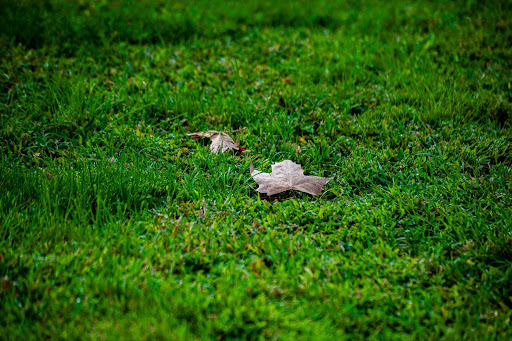
The best time to aerate a lawn in New Jersey is early fall, from mid-August through mid-October. During this period, cool-season grasses recover quickly after core aeration and establish stronger root systems before winter.
Early spring can be a backup option when fall aeration is missed or when specific lawn conditions require attention. For Northern New Jersey cool-season lawns, fall remains the preferred period for core aeration.
Key Takeaways
- Mid-August through mid-October is the best time to aerate a lawn in New Jersey.
- Fall core aeration is recommended for Kentucky bluegrass, perennial ryegrass, fine fescue, and tall fescue lawns.
- Spring aeration is suitable when fall is missed or localized soil compaction requires treatment.
- Soil compaction, lawn traffic, turf density, and grass species determine the ideal aeration schedule.
- Aerating immediately before overseeding improves seed-to-soil contact and supports thicker turf establishment.
Best Time to Aerate Your Lawn in New Jersey
The best time to aerate a lawn in New Jersey is from mid-August through mid-October. This is the recommended New Jersey lawn aeration schedule for Kentucky bluegrass, perennial ryegrass, fine fescue, and tall fescue.
- Northern New Jersey: Fall is generally the preferred period for cool-season lawn aeration. Exact timing can vary with local growing conditions, soil conditions, and turf health.
For best results:
- Soil moisture should be evaluated before aeration because overly dry or saturated conditions can affect core removal and the quality of the aeration.
- Overseed immediately after aeration to improve seed-to-soil contact.
- Fertility needs can be evaluated alongside aeration to support turf recovery and long-term lawn health.
Signs Your New Jersey Lawn Needs Aeration
Compacted soil is one of the most common reasons cool-season lawns in New Jersey lose density and vigor. If you notice any of the following signs, core aeration may be needed.
- Water pools after rainfall or irrigation: Water remains on the surface instead of soaking into the soil, indicating poor infiltration caused by compaction.
- The soil feels hard: Persistent soil hardness can indicate compaction that restricts root development, water infiltration, and turf growth. A professional lawn evaluation can determine whether aeration would be beneficial.
- Grass becomes thin or uneven: Turf loses density because compacted soil restricts root growth and limits the movement of water, oxygen, and nutrients.
- Thatch has become excessive: A heavy thatch layer can interfere with water movement, nutrient availability, and healthy turf growth. A professional lawn evaluation can determine whether aeration or another service would be appropriate.
- High-traffic areas decline first: Lawns used regularly by children, pets, or vehicles often develop compaction sooner, causing worn paths, thinning turf, and slower recovery.
Factors That Affect the Right Aeration Time
The best time to aerate a lawn in New Jersey depends on the grass species, soil condition, moisture level, and how quickly the lawn becomes compacted.
Before scheduling lawn aeration, consider the following:
- Grass Type: Kentucky bluegrass, perennial ryegrass, tall fescue, and fine fescue are cool-season grasses commonly found in Northern New Jersey lawns. Their aeration timing should be based on active growth, seasonal conditions, and the condition of the lawn.
- Soil Moisture: Aeration is most effective when soil is moist but not saturated. Soil conditions should be evaluated before service because excessively dry, muddy, or waterlogged soil can affect core removal and turf condition.
- Soil Type: Soil texture influences compaction, drainage, and water movement. Heavier soils may be more susceptible to compaction, while lighter soils can present different moisture and drainage conditions. Aeration frequency should be based on the condition of the individual lawn rather than a fixed schedule.
- Foot Traffic: Lawns used regularly by children, pets, or outdoor activities develop compaction faster and may require more frequent aeration than lightly used lawns.
- Seasonal Conditions: Avoid aerating during summer heat, drought, or winter dormancy. Turf recovers most effectively when it is actively growing.
New Jersey Lawn Aeration Calendar at a Glance
Aeration timing in New Jersey depends on the season, grass type, and lawn condition. Use the table below as a quick reference to determine when core aeration is recommended and when it should be avoided.
Schedule Your Lawn Aeration Service with Teed & Brown
Successful lawn aeration in New Jersey depends on more than the season. Soil compaction, turf density, drainage, traffic patterns, and grass type all influence when core aeration in New Jersey will provide the greatest benefit.
During scheduled service visits, Teed & Brown helps homeowners by:
- Evaluating soil compaction and overall turf condition.
- Determining whether fall or spring aeration is most appropriate.
- Identifying areas affected by heavy traffic, poor drainage, or thinning turf.
- Recommending core aeration and overseeding when conditions support the best establishment.
- Supporting long-term lawn health through fertilization, weed control, irrigation management, and aeration.
If your lawn has become compacted, thin, or slow to recover, schedule a consultation with Teed & Brown to receive a lawn aeration plan tailored to your New Jersey property.
FAQs
When is the best month to aerate a lawn in New Jersey?
September is generally the best month to aerate a lawn in New Jersey. It falls within the ideal mid-August to mid-October window, when cool-season grasses actively recover and establish deeper roots before winter.
Should I aerate before or after overseeding?
Aerate before overseeding. Core aeration creates openings in the soil that improve seed-to-soil contact, resulting in better germination and more uniform turf establishment.
Can I aerate in spring?
Yes, but only if fall aeration was missed or the lawn has severe soil compaction.
How often should I aerate my lawn?
Aeration frequency depends on soil condition, turf density, traffic, drainage, and how quickly compaction develops. Some lawns may benefit from more frequent attention, while others may not require annual aeration.
Should I water before aerating?
Soil should be moist enough to allow clean core removal without being saturated. Professional lawn-care teams can evaluate soil conditions before aeration to determine whether the lawn is ready for service.
Related posts


Private Consultation for Your Property.
True lawn care is not about promises-it's about stewardship. We manage each property with intention, precision, and accountability, so you can enjoy complete confidence in who you've entrusted your landscape to.