
.svg)

Speed of Seed Growth: A Strategy to Accelerate Growth
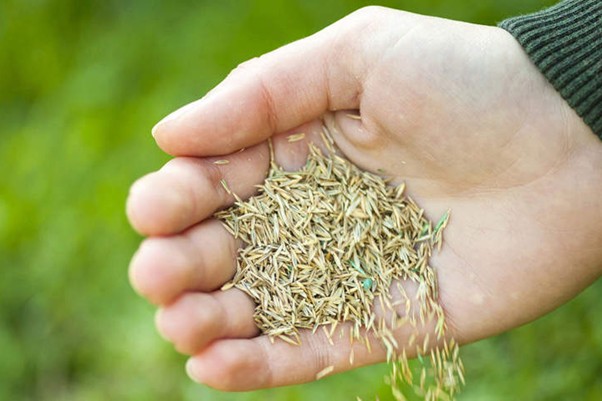
If you have recently seeded your lawn, one of the first questions is how fast you will see results.
Many homeowners expect fast growth to mean better results. In reality, faster is not always better. Some of the quickest-growing grasses can look thin or less appealing, while slower-growing varieties often produce a thicker, healthier lawn over time.
Another significant thing to understand is that the speed of seed growth depends on different elements. It is influenced by soil temperature, water supply, seed type, mowing strategy, and how much sunlight it receives.
Understanding the full grass seed growth timeline helps you set realistic expectations and avoid rushing the process.
Key Takeaways
- Faster germination does not always mean better lawn quality
- The speed of seed growth depends on soil temperature, moisture, seed quality, and soil preparation
- Fast-growing seeds like ryegrass germinate in 5 to 10 days, while slower types take up to 3 weeks
- Watering is the most controllable factor, while temperature is not.
- Proper seeding techniques and soil preparation help seeds grow faster and more evenly
- Light, frequent watering early on should shift to deeper watering as roots develop
- Avoid mistakes like seeding too early, using poor-quality seed, or letting soil dry out
How Fast Grass Seed Actually Grows
Not all grass types grow at the same speed, especially in regions like Connecticut, New York, and New Jersey, where cool-season grasses dominate.
Why Some Seeds Sprout Faster Than Others
Different grass types naturally grow at different speeds.
- Perennial ryegrass germinates quickly but may appear lighter and less dense
- Fescues offer a balance between speed and durability
- Kentucky bluegrass takes longer but creates a thicker, more attractive lawn
This is why professional lawn programs often use seed blends. You may see early growth from faster seeds, while slower varieties fill in over time to improve overall quality.
Visible Growth vs a Healthy Lawn
Seeing green shoots is only the beginning.
- Visible growth means seeds have sprouted
- A healthy lawn means roots are strong and evenly established
It is normal for lawns to look slightly uneven at first, especially when different seed types grow at different speeds. With proper watering and care, the lawn fills in more evenly over time.
What Determines the Speed of Seed Growth
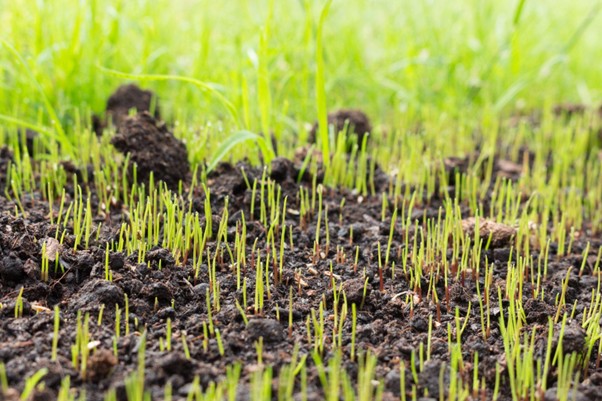
Several factors directly affect how quickly your lawn develops.
Soil Temperature and Its Direct Impact on Germination
Grass seed needs the right soil temperature to grow.
- Most cool-season grasses germinate between 50 and 65°F
- Soil must stay within this range for several days
- Cold soil delays or stops germination
Even if the air feels warm, soil temperature is what actually matters.
Moisture Is the Most Controllable Factor
Grass seed growth depends heavily on consistent moisture. Dry grass does not grow. It is a state of waiting for water. This is the one factor you can directly manage.
- Seeds must stay damp to continue growing
- Dry conditions can stop growth completely
- Even short dry periods can delay results
Daily, consistent watering helps speed up germination and improves overall success. Rainfall can help, but a controlled irrigation plan provides more reliable results.
Seed Quality and Freshness
Not all seeds perform the same.
- Fresh, high-quality seed germinates faster and more evenly
- Old or low-quality seed leads to slower, uneven growth
Soil Condition and Nutrient Availability
Healthy soil supports faster development.
- Loose, well-prepared soil helps roots grow quickly
- Poor soil slows down early growth and establishment
Why Growth Is Not Controlled by One Factor Alone
From the Backyard Lab: Limiting Factors
Grass growth follows what is known as the “limiting factor” principle. This means growth is only as strong as the weakest condition.
- Lack of sunlight cannot be fixed by watering more
- Poor soil cannot be corrected by better seed alone
- Cold temperatures cannot be offset with extra irrigation
For best results, temperature, moisture, sunlight, and soil conditions all need to work together.
Managing all these factors can be daunting as a first-timer! But don’t worry, you can connect with experts at Teed & Brown to manage your seeding season.
How to Speed Up Grass Seed Germination Naturally
For grass seed germination, you really need two major factors to work in your favor. One is soil temperature and health. The other is sufficient water supply.
- Soil temperatures must be stable and warm at 50 degrees.
- The grass must be wet at all times for accelerated growth.
Prepare the Soil to Support Faster Root Development
Proper seeding techniques start with soil preparation.
- Loosen compacted soil
- Remove debris and weeds
- Add organic matter if needed
Maintain Consistent Moisture Without Overwatering
Watering plays a key role in early growth.
- Keep the top layer of soil consistently moist
- Use light, frequent watering during early stages
- Avoid letting the soil dry out
Time Seeding With Optimal Temperature
Seeding at the right time makes a big difference.
- Wait until soil temperatures are within the ideal range
- Avoid seeding too early in cold conditions
If you are still not seeing sufficient grass seed growth, it means either the soil is not warm enough or the grass is not receiving enough water.
Mistakes That Slow Down Seed Growth Significantly
Avoid these common mistakes that delay results:
- Seeding at the wrong time of season
- Letting soil dry out during germination
- Using low-quality or old seed
- Skipping proper soil preparation
Get Faster, Stronger Results with Teed & Brown
If you want to improve the speed of seed growth without second-guessing every step, working with a team that understands local conditions makes a difference.
Teed & Brown focuses on proper soil preparation, high-quality seed selection, and proven seeding techniques tailored to regional climates. Instead of relying on guesswork, you get a structured approach that helps grass seed germinate faster and establish more evenly.
Request a Customized Lawn Care Plan Now!
FAQs
What is the fastest grass seed to germinate?
Ryegrass is one of the fastest options, often germinating within 5 to 10 days. It is commonly used when quick coverage is needed.
Why is my grass seed taking longer than expected to grow?
Slow growth is usually caused by low soil temperatures, inconsistent moisture, or poor soil conditions. Checking these factors can help identify the issue.
Can you speed up grass growth after seeding?
Yes, you can improve growth speed by maintaining proper moisture, using good soil preparation, and seeding at the right temperature. Healthy conditions help seeds develop faster.
What temperature is best for grass seed germination?
Most grasses germinate best between 50 and 65°F soil temperatures. Staying within this range helps ensure even and consistent growth.
Can grass seed grow in poor soil conditions?
Yes, grass can grow in poor soil, but it will be slower and less consistent. Improving soil quality helps speed up growth and leads to better long-term results.
Why is my lawn growing unevenly after seeding?
Uneven growth is often caused by inconsistent watering, poor soil contact, or uneven seed distribution. Another important thing to note is that different seeds grow at different speeds. If you have opted for a mixed-seed approach, you will notice an uneven growth that eventually fixes itself in weeks.
When will newly seeded grass be strong enough to mow?
Most lawns are ready for mowing once grass reaches about 3 to 4 inches in height. At this stage, roots are usually strong enough to handle light cutting.
Related posts

Private Consultation for Your Property.
True lawn care is not about promises-it's about stewardship. We manage each property with intention, precision, and accountability, so you can enjoy complete confidence in who you've entrusted your landscape to.