
.svg)

Spring Lawn Care Tips for New Jersey
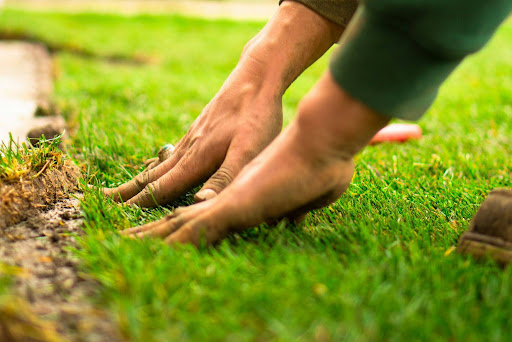
Spring lawn care tips for New Jersey homeowners mostly come down to timing. Crabgrass, fertilizer rules, and lawn disease all follow their own calendar. However, New Jersey's swings between cold and warm stretches can throw that off by weeks.
Getting the order right before summer makes the difference between a resilient turf and one playing catch-up all season.
Key Takeaways
- Crabgrass pre-emergent should go down by the time forsythia reaches full bloom.
- Spring seeding in New Jersey is limited to spot treatment on bare or winter-damaged patches.
- Cool, wet spring weeks favor turf diseases, which can look like winter damage at first glance.
- Lone star tick adults become active in New Jersey starting in April, and blacklegged ticks can have active stages even in the depths of winter.
6 Essential Spring Lawn Care Tips for New Jersey
These spring lawn care tips for New Jersey lawns follow the order most cool-season properties need this time of year.
1. Time Pre-Emergent to Forsythia Bloom, Not the Calendar
The right timing for pre-emergent weed control New Jersey lawns depends on weather and soil conditions, not a set date. Crabgrass typically germinates mid to late April in central and northern New Jersey, slightly earlier in the south.
Rutgers NJAES treats forsythia full bloom as the signal to apply pre-emergent. Scheduling this before forsythia drops its petals gives the herbicide time to bind into the soil before germination starts.
2. Wait Out the Blackout Before Applying Fertilizer
Spring fertilizer for New Jersey lawns can't go down until the state's blackout period ends.
Nitrogen and phosphorus applications are restricted for professional applicators from December 1 through March 1, making March 1 the earliest date they can resume applications.
Knowing when to fertilize lawn in New Jersey properties actually comes down to more than just that calendar date, though. Soil temperature and grass activity matter too, which is why timing that first application is done during a scheduled spring visit and not applied on a fixed date.
3. Spot Seed Bare Patches, Don't Broadcast the Whole Lawn
Spring lawn treatment New Jersey properties involves spot seeding only, not a full-property overseed. Fall is the window for full seeding, since spring seedlings face heavier weed pressure.
Pre-emergent and new seed can work against each other if timed carelessly. Thus, flagging thin patches for a technician to sequence keeps the crabgrass application on track.
4. Know the Difference Between Spring Disease and Winter Damage
Red thread and leaf spot can appear on New Jersey lawns during cool, wet spring weather. Red thread often shows up as uneven brown patches with a pink or reddish tint. These patches can look concerning, but the grass will often recover as conditions improve.
Checking the color and pattern of the affected areas can help determine whether you're seeing disease or leftover winter damage.
5. Aerate Only Where the Lawn Actually Needs It
Spring is not the best time to aerate the entire lawn in New Jersey. Instead, focus on areas that have become compacted, such as bare spots, shaded areas, or places damaged by snow piles and road salt. Targeting these problem areas makes spring aeration more useful and avoids unnecessary work on healthy parts of the lawn.
6. Start Tick Prevention Before Activity Picks Up
Tick activity in New Jersey can begin earlier than many homeowners expect. Lone star tick adults and nymphs become active in spring, while blacklegged ticks can remain active during warmer winter days.
Starting tick control before activity picks up can help reduce the chances of ticks becoming established around the property.
Spring Lawn Challenges New Jersey Homeowners Face
Even with a plan in place, New Jersey spring lawn care runs into pressures that make timing harder to get right.
Crabgrass Timing Swings With the Weather
A run of warm days in March can push forsythia bloom and germination earlier, while a cold snap in April delays both. That's why New Jersey lawn care schedule planning benefits from watching real conditions, not a fixed date.
Cool, Wet Weeks Favor Turf Disease
New Jersey's spring pattern of light rain, fog, and mild temperatures favors red thread and leaf spot. It is especially true for lawns coming out of a lean winter feeding schedule. Left alone, these diseases usually don't kill the lawn, but as noted above, they can leave it thin and patchy.
Winter Leaves Behind Salt Damage and Compaction
Winter can take a toll on New Jersey lawns. Salt from roads, driveways, and walkways can damage grass along the edges, while foot and vehicle traffic can compact the soil. These problems often become more noticeable when the lawn starts growing again in spring.
Ticks Are Active Before Most Homeowners Expect
Ticks can become active as soon as temperatures start to rise. Lawns near wooded or brushy areas may be especially exposed. That's exactly why lawn care in spring New Jersey properties needs to be built in Tick Control from the start.
Get Your New Jersey Lawn Ready for Summer with Teed & Brown
Putting these spring lawn care tips for New Jersey into practice takes more than a single visit. It means sequencing pre-emergent, seeding, and Tick Control across several weeks. That is exactly what Teed & Brown's licensed technicians handle statewide.
What a Teed & Brown Spring Visit Covers?
- Times pre-emergent and fertilizer visits to real soil conditions and the state's blackout dates
- Evaluates bare or thinning patches for spot seeding instead of a blanket reseed
- Flags red thread, leaf spot, or salt damage during scheduled visits before it spreads
- Builds Tick Control into the spring schedule instead of waiting for summer
A plan built around New Jersey's actual soil and weather starts with an on-site look at the property.
Schedule an Evaluation with Teed & Brown today!
FAQs
When should I begin spring lawn care in New Jersey?
Spring lawn care New Jersey homeowners can plan around typically starts in early March, once the fertilizer blackout lifts and soil is workable. Pre-emergent follows once forsythia reaches full bloom, so the exact start date shifts year to year.
Which weeds typically appear first in New Jersey during spring?
Cool-weather broadleaf weeds like chickweed and henbit are usually the first to show up in New Jersey during early spring. They often end up greening up before the lawn itself does. Crabgrass follows later, germinating around forsythia's full bloom, which is why pre-emergent timing matters more for it.
Is spring a good time to overseed lawns in New Jersey?
No, spring is not the ideal time for a full-lawn overseed in New Jersey. Mostly because fall offers a longer establishment window with less weed competition. Spot seeding bare or winter-damaged patches still works in spring, just not as a substitute for fall's full seeding.
What lawn diseases are common during New Jersey's wet spring months?
Red thread and leaf spot are the two diseases most likely to show up during New Jersey's wet spring months. They are both favored by cool, damp stretches. Neither usually kills the lawn, but as noted above, they can leave it looking thin heading into summer.
When should I hire a lawn care professional?
Hiring a lawn care professional makes the most sense once a New Jersey lawn shows patchy recovery, spreading disease, or weed pressure. A professional evaluation during a scheduled visit can pin down whether the cause is soil, timing, or something else.
Related posts


Private Consultation for Your Property.
True lawn care is not about promises-it's about stewardship. We manage each property with intention, precision, and accountability, so you can enjoy complete confidence in who you've entrusted your landscape to.