
.svg)

Pre-Emergent vs. Post-Emergent: What's the Best Weed Control for Your Lawn?
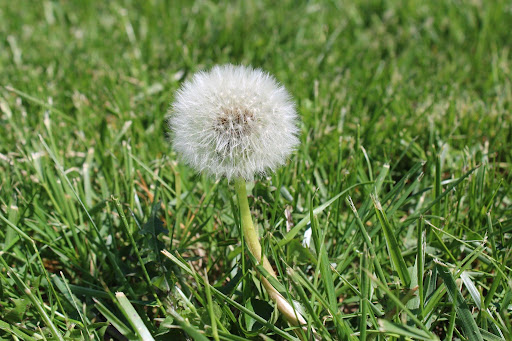
The best weed control is not pre-emergent or post-emergent; it's using both at the right time for the right weeds. Pre-emergent prevents weeds before they emerge, while post-emergent targets weeds that are already growing. Most lawns need both at different points in the season.
Weeds compete with your lawn for sunlight, water, nutrients, and space, but they don't all require the same treatment. Some are best prevented before they germinate, while others can only be controlled after they've emerged. The right approach determines whether a weed control program succeeds.
Key Takeaways
- Pre-emergent herbicides prevent weeds before they emerge, while post-emergent herbicides eliminate weeds that are already growing.
- Apply pre-emergent herbicides before weed seeds germinate, typically in early spring and early fall, for the best preventive results.
- Post-emergent herbicides work best on young, actively growing weeds such as dandelion, clover, and nutsedge. Mature crabgrass can also be treated by professional, but with reduced effectiveness compared to catching it earlier.
- Weed species, seasonal timing, and lawn conditions all influence whether a pre- or post-emergent treatment will be most effective.
- Combining preventive and targeted weed treatments provides the most effective long-term weed control program.
Quick Comparison: Pre-Emergent vs. Post-Emergent
Knowing when to use each method is essential for effective, season-long lawn weed control and avoiding unnecessary repeat treatments.
What is a Pre-Emergent Herbicide?
A pre-emergent herbicide is a weed-control product that prevents weeds from establishing before they emerge above the soil surface. It creates a protective barrier in the upper layer of the soil (typically the top 1–2 inches). As weed seeds begin to germinate, they absorb the herbicide, which disrupts early root and shoot development. The seedlings die before they can grow into visible weeds.
Pre-emergent herbicides are commonly used to prevent crabgrass, goosegrass, annual bluegrass (Poa annua), foxtail, chickweed, henbit, spurge, and oxalis, depending on the product and application timing.
When Pre-Emergent Weed Control Works Best
For the best results, pre-emergent herbicides should be applied before seasonal weed germination starts.
- Timing: Pre-emergent works on a narrow soil-temperature trigger, typically before soil consistently reaches around 55°F in spring, with a second window in early fall for winter annual weeds. Missing that window by even a few days significantly reduces effectiveness, which is why professional assistance is required.
- Activation: The protective barrier only works once it's moved into the soil by rainfall or irrigation shortly after application. To get the sequence right, professional guidance is required.
- Ideal Use: Lawns with a history of recurring annual weed problems, where prevention consistently outperforms repeated reactive treatment.
- Limitations: Pre-emergent applied at the wrong time can also block new grass seed, overseeding, or sod from establishing, which is exactly the kind of conflict a professionally sequenced program is built to avoid.
What is a Post-Emergent Herbicide?
A post-emergent herbicide eliminates weeds that have already emerged and are actively growing. These herbicides are absorbed through the weed's leaves or stems and interfere with essential plant functions, and eliminate visible weeds such as dandelions, clover, plantain, nutsedge, dollarweed, thistle, ground ivy, bindweed, and mature crabgrass, depending on the active ingredient.
Post-emergent herbicides are available in two primary types:
- Systemic herbicides, which move throughout the plant to kill both the foliage and the root system, are effective against many perennial weeds.
- Contact herbicides, which destroy only the plant tissue they directly touch and are most effective on young annual weeds, making them less effective against perennial weeds with established root systems.
When Post-Emergent Weed Control Is Most Effective
Successful post-emergent weed control depends on treating weeds while they are actively growing.
- Timing: Young, actively growing weeds absorb treatment far more efficiently than mature ones, which means the same approach applied a few weeks apart can produce very different results.
- Weather Conditions: Wind, rainfall, and temperature all influence how well treatment is absorbed, which is why professional expertise is required from one application to the next.
- Best Use: Weeds that escaped a pre-emergent application, perennial weeds that return each year, or lawns where weeds are already established and visible.
- Limitations: Post-emergent treatment addresses what's already there. It doesn't prevent the next wave of weed seeds. A complete program pairs it with preventive timing rather than treating it as a standalone fix.
Factors to Consider When Choosing a Weed Control Method
The right weed control strategy depends on more than whether weeds are visible. Identifying the weed species, understanding its life cycle, applying treatment at the correct seasonal window, and evaluating your lawn's condition all influence how effective a herbicide will be.
Weed Type and Growth Stage
Different weed species respond to different herbicides, so proper identification is the first step toward effective control.
- Broadleaf weeds such as dandelion, white clover, plantain, chickweed, and dollarweed are typically controlled with selective post-emergent herbicides, which target broadleaf plants without harming most turfgrass species.
- Annual grassy weeds like crabgrass, goosegrass, foxtail, and annual bluegrass are much easier to prevent with pre-emergent herbicides before they germinate. Once established, they become significantly harder to control.
- Perennial weeds, including Canada thistle, bindweed, ground ivy, and nutsedge, survive through underground roots, rhizomes, or tubers. These weeds usually require systemic post-emergent herbicides that move throughout the plant to kill the root system rather than just the visible foliage.
Seasonal Timing
Herbicide performance is closely tied to seasonal conditions. Applying the right product at the wrong time can significantly reduce its effectiveness.
- Spring: The primary window for pre-emergent herbicides to prevent summer annual weeds like crabgrass and goosegrass. Apply before soil temperatures consistently reach 50–55°F (10–13°C), when many annual weed seeds begin germinating.
- Summer: Warm weather brings weeds that escaped spring prevention. Extreme heat affects herbicide absorption and increases the risk of turf injury if timing is off, making seasonal judgment a key part of professional weed control.
- Fall: A second pre-emergent application helps prevent winter annual weeds like chickweed, henbit, and annual bluegrass. It's also one of the best times to treat perennial weeds such as dandelions and thistles because they naturally move nutrients to their roots before winter, carrying systemic herbicides deeper into the plant.
Lawn Condition and Soil Health
Healthy, dense turf is one of the most effective long-term defenses against weeds. When grass grows vigorously, it limits the sunlight, moisture, and space available for weed seeds to establish.
Several lawn and soil conditions influence weed growth and herbicide performance:
- Soil pH: When soil pH falls outside this range, grass weakens and thins, creating the open, stressed conditions where weed seeds establish most easily.
- Compacted Soil: Heavy foot traffic and compacted soil restrict root development and water movement, creating favorable conditions for weeds like nutsedge and goosegrass. Core aeration improves soil structure and promotes healthier turf growth.
- Moisture and Drainage: Overwatered lawns often encourage moisture-loving weeds such as nutsedge and dollarweed, while drought-stressed lawns develop thin turf that makes it easier for opportunistic weeds to establish.
- Soil Texture: Sandy soils drain quickly, causing some herbicides to move deeper and reducing their residual effectiveness. Clay soils retain herbicides longer but may require careful application to avoid product buildup. Following label recommendations based on soil type helps improving weed control outcomes based on soil type.
How Teed & Brown Approaches Weed Control
Professional weed control is recommended when weeds become widespread, return season after season, or involve multiple species that require different treatment strategies. It is also beneficial when invasive weeds such as nutsedge, bindweed, and Canada thistle are present, or when incorrect herbicide timing could reduce treatment effectiveness or damage desirable turf.
At Teed & Brown, we take a property-specific approach to weed control by:
- Identifying the weed species and determining whether pre-emergent or post-emergent treatment is appropriate.
- Evaluating lawn conditions such as turf density, soil compaction, drainage, and recurring weed pressure.
- Recommending seasonally timed weed control based on the weed type and its growth stage.
- Strengthening cool-season turf through weed control, fertilization, aeration, and seeding to help reduce future weed pressure.
Ready to stop weeds before they spread? Schedule a consultation with Teed & Brown to develop a customized lawn treatment program for your property across Connecticut, New York, and Northern New Jersey.
FAQs
Does pre-emergent kill existing weeds?
No. Pre-emergent herbicides do not kill weeds that are already growing. They only prevent newly germinating weed seedlings from establishing after germination begins. Existing weeds require post-emergent treatment to be controlled effectively.
Can post-emergent prevent future weeds from growing?
No. Post-emergent herbicides are designed to eliminate existing weeds. They do not create a protective barrier in the soil, so new weed seeds can still germinate after treatment.
Which is more effective for long-term weed control?
Neither alone. Pre-emergent provides the greatest preventive benefit by reducing future weed populations, but combining it with targeted post-emergent treatment delivers the most effective season-long results.
Can pre-emergent and post-emergent be used together?
Yes. Professional lawn care programs commonly combine both approaches, pre-emergent to prevent new weeds and post-emergent to eliminate what's already established. Getting the timing and product compatibility right is part of what a professional program manages on your behalf.
Is professional lawn care better for weed control timing?
Professional lawn care services track seasonal conditions, soil temperatures, and local weed growth patterns to determine the optimal treatment window. This improves application timing, increases herbicide effectiveness, and helps avoid common mistakes such as applying pre-emergent products after weed germination has already begun.


Private Consultation for Your Property.
True lawn care is not about promises-it's about stewardship. We manage each property with intention, precision, and accountability, so you can enjoy complete confidence in who you've entrusted your landscape to.