
.svg)

Fall Lawn Care Tips for New Jersey
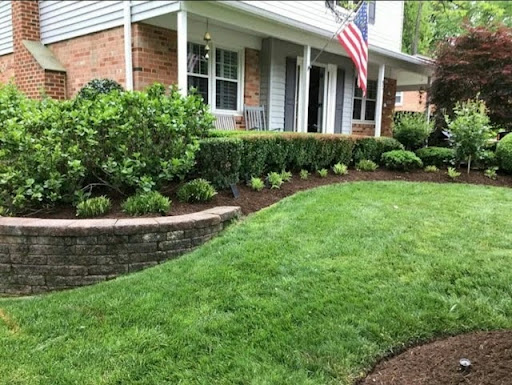
Fall lawn care in New Jersey follows a clear sequence: aeration, overseeding, targeted fertilization, and steady leaf removal. Complete this order before the first hard frost. Your turf returns thick and healthy in spring, instead of thin and stressed through winter. That sequence is the real substance behind any set of fall lawn care tips for New Jersey.
Cool-season grasses spend summer surviving heat, not growing. Once temperatures drop and soil moisture returns, your lawn enters the one window each year built for real repair. Miss that window, and summer damage carries into next season instead of healing.
Key Takeaways
- A quick fall check catches lawn problems early.
- Aeration opens up compacted soil for roots.
- Overseeding fills in bare, thin spots.
- Fall feeding builds strong roots for winter.
- Fall is the best time to kill weeds.
- Steady watering keeps roots healthy into winter.
- Each fall month needs its own care step.
Assess Your Lawn After Summer
Late summer stress leaves clues across a lawn, and an early morning walkthrough makes them easy to spot. A quick check like this is the real starting point behind any useful fall lawn care tips for New Jersey.
- Brown Patches: Pull a handful of turf gently. If the roots lift free easily, grubs are likely the cause, changing the fall lawn treatment New Jersey lawns need this season.
- Compaction: Push a screwdriver into the soil. Resistance signals compacted ground, a factor to address in your New Jersey fall lawn care plan before winter.
- Weeds: Check thin, stressed areas for crabgrass and clover. Both spread fast on lawns that skip fall lawn fertilization in New Jersey, weakening their ability to compete with weeds.
Aerate Compacted New Jersey Lawns
Clay-heavy soil across New Jersey compacts easily under foot traffic and seasonal wear. Mid-August through mid-October is the best window for fall lawn care in New Jersey, when cool-season grass roots grow actively and recover fastest.
- Relieves Clay Compaction: Dense clay restricts root growth, and core aeration breaks up compacted layers so roots spread deeper.
- Opens Nutrient Pathways: Small soil plugs pulled from the lawn create channels for air, water, and nutrients to reach starved roots.
- Strengthens Seeding Results: Aeration paired with overseeding gives new seed direct soil contact, a key part of fall lawn fertilization New Jersey programs that thicken thin turf.
- Supports Winter Preparation: Fall aeration is a core step in New Jersey lawn winter preparation, helping roots store energy before dormancy sets in.
Overseed Thin or Damaged Areas
Overseeding spreads new seed directly into existing turf to fill in patchy or damaged spots. This step supports fall lawn care in New Jersey, restoring density before winter.
- Late Summer Through Early Fall: Warm soil, cooler air, and lower weed pressure make this the strongest window for New Jersey fall lawn care.
- Spring As A Backup: Spring overseeding works as spot treatment for bare or shaded patches, since higher weed pressure limits full-lawn results.
Fertilize Your Lawn for Fall Growth
Fall fertilization builds the root reserves your lawn draws on through winter, so it greens up faster in spring. The right timing and nutrient mix determine how well your lawn recovers, which is why fall lawn care tips for New Jersey matter this season.
Timing Your Fall Applications
- Early Fall Feeding: Feed cool-season grasses like fescue and bluegrass from September through early October as summer heat breaks, the starting point for fall lawn care New Jersey programs.
- Second Application: Apply a follow-up treatment 6 to 8 weeks later, around late October into November, to reinforce root strength before the ground freezes, a key step in preparing the lawn for winter in New Jersey.
- Cutoff Point: Stop fertilizing once soil temperatures drop below 40 degrees Fahrenheit, since grass stops absorbing nutrients as the ground freezes.
Selecting the Right Nutrient Mix
- Nitrogen: Use a slow-release, higher-nitrogen formula to support root development and carbohydrate storage without pushing excess blade growth, a core part of fall lawn fertilization New Jersey programs.
- Potassium: Higher potassium levels strengthen winter hardiness and help turf recover from summer stress, a priority for New Jersey lawn winter preparation.
- Phosphorus: Add phosphorus to your fall lawn treatment New Jersey plan only when a soil test confirms a deficiency; otherwise, it offers little benefit to established lawns.
Control Fall Lawn Weeds
Cooling weather sends weeds' nutrients toward their roots, carrying treatment along with them, making fall the most effective window for fall lawn treatment New Jersey lawns need.
Why Fall Works Best
- Root Absorption: Weeds pull food downward for winter, drawing weed killer with it.
- Target Types: Effective against perennial broadleaves and winter annuals alike.
- Less Stress: Cooler air reduces turf burn during New Jersey fall lawn care treatments.
Continue Proper Watering Into Fall
Deep watering through fall protects root systems in plants, trees, and lawns until the ground freezes, a step often overlooked in fall lawn care tips for New Jersey properties.
Best Practices for Fall Watering
- Check Soil Depth: Test 2 to 3 inches down. Dry soil means it's time to water.
- Water in the Morning: Morning sun helps roots absorb moisture before cold nights.
- Adjust the Schedule: Space watering out as temperatures drop, roughly every 10 to 14 days.
- Prioritize New Plantings: Young trees and evergreens need extra moisture heading into New Jersey lawn winter preparation.
Clear Fallen Leaves Before Winter
Leaf buildup traps moisture and invites disease on your turf. Clearing leaves is a core part of fall lawn care tips for New Jersey.
- Light Leaf Buildup: When leaf cover is thin, breaking it down into the lawn instead of hauling it away lets nutrients return to the soil naturally.
- Clear Heavy Piles: Wet, matted leaves left on turf trap moisture and invite disease, so timely removal matters for fall lawn care in New Jersey.
Check for Lawn Pests and Disease
Fall reveals summer damage your lawn has been hiding. Discolored patches, powdery residue, and soft soil signal issues worth addressing early as part of fall lawn care New Jersey.
- Grub Worms: Loose, liftable sod and scorched brown patches point to root damage from beetle larvae.
- Fungal Diseases: Orange dust, straw-colored spots, or pink thread growth spread easily in cool, damp fall conditions.
- Debris Buildup: Leaves left sitting on turf trap moisture, creating conditions where fungal disease takes hold.
Address Soil pH and Compaction Problems
Compacted soil and imbalanced pH block nutrient uptake before winter.
Fixing Soil Compaction
- Topdress with Compost: A thin compost layer after aeration loosens tight soil over time.
- Aerate in Early Fall: Cool-season grass recovers fastest when aeration happens during active growth.
Correcting Soil pH
- Soil Testing: Accurate soil testing results reveal acidity levels common to New Jersey soil.
- Lime Application: Corrective lime treatments raise the pH of the soil and are a core part of fall lawn treatment in New Jersey.
Fall Lawn Care Timeline for New Jersey
Cool-season lawns in New Jersey do their heaviest recovery work between late summer and the first hard frost. Fall lawn care tips for New Jersey properties should match each treatment to soil temperature and grass growth. Here is what lawn care in fall New Jersey properties needs, month by month.
September
- Aeration and Overseeding: Core aeration relieves compacted soil, and a cool-season seed blend fills bare or thin sections.
- Fertilization: This nitrogen application is part of fall lawn treatment New Jersey programs and builds root reserves for winter.
- Weed Control: Broadleaf treatments clear competition before new seed can establish.
- Watering: New seed needs light, frequent watering, so fall lawn care in New Jersey overseeding depends on consistent moisture.
October
- Continued Establishment: Root depth keeps building this month, so foot traffic should stay limited.
- Fertilization as Needed: A follow-up application keeps new grass fed as growth slows.
- Leaf Cleanup: Wet leaves block sunlight and trap moisture on new seedlings, so prompt removal matters.
- Weed Control: Cool-weather weeds germinate on a different schedule, and October treatments target this next wave.
November
- Final Leaf Cleanup: A thorough clearing removes the last heavy leaf layer before the ground hardens.
- Watering Adjustment: Watering frequency should drop as growth slows with falling temperatures.
- Growth Assessment: This visit checks root development and color, standard practice in New Jersey fall lawn care, to confirm the lawn enters dormancy in good condition.
- Winter Preparation: New Jersey lawn winter preparation now includes clearing debris and letting the lawn settle into dormancy before frost.
- Fertilizer Cutoff: Fall lawn fertilization New Jersey programs must close by November 15 for homeowners, though licensed professionals may continue through December 1 under the same law.
Early Winter
- Limit Disturbance: Dormant grass handles stress poorly, so preparing lawn for winter in New Jersey means avoiding unnecessary disturbance once growth stops.
- Fertilizer Window Closed: Nitrogen and phosphorus applications should already be complete under the state's blackout rules.
Give Your New Jersey Lawn the Fall Care It Needs With Teed & Brown
Teed & Brown builds fall lawn care NJ programs around soil condition and turf recovery. Each visit pairs fertilization, aeration, and overseeding with weed and pest checks based on your lawn's growth stage.
- Fertilization: T&B's fall lawn fertilization New Jersey applications feed cool-season turf and build root strength for winter dormancy.
- Core Aeration and Overseeding: Aeration relieves compacted soil while overseeding with a custom cool-season blend fills thin areas.
- Weed Control: Targeted treatments clear broadleaf and cool-weather weeds so new grass establishes without competition.
- Grub Control: Technicians check turf for grub activity during scheduled visits and treat early to protect root systems.
Fall lawn care only works when every step lands in the right order. Trust that sequence to Teed & Brown, and your lawn wakes up ready in spring.
FAQ
When should I start fall lawn care in New Jersey?
You should start fall lawn care in New Jersey in early September, once daytime temperatures cool and cool-season grass resumes active growth. An early start gives treatments and seeds enough time to take hold before winter arrives.
What is the best month to overseed a lawn in New Jersey?
September is the best month to overseed, since soil is still warm and cooler nights reduce stress on new seedlings. This window also gives new grass several weeks to root before the first frost.
Should I aerate my lawn in the fall?
Yes, fall is the ideal time for full-property aeration since it relieves soil compaction and pairs well with overseeding. This combination helps roots establish before winter dormancy sets in.
How often should I water my lawn in the fall?
Water one to two times per week, adjusting based on rainfall and temperature as the season cools. Newly seeded areas need more frequent, lighter watering to keep the top layer of soil consistently moist.
What type of grass seed is best for New Jersey lawns?
Cool-season grass blends perform best across New Jersey properties, since they handle the region's cold winters and humid summers well. A professional program built around these fall lawn care tips for New Jersey helps you choose the right blend and timing for lasting results.
Related posts

Private Consultation for Your Property.
True lawn care is not about promises-it's about stewardship. We manage each property with intention, precision, and accountability, so you can enjoy complete confidence in who you've entrusted your landscape to.