
.svg)

Common Lawn Weeds in New York
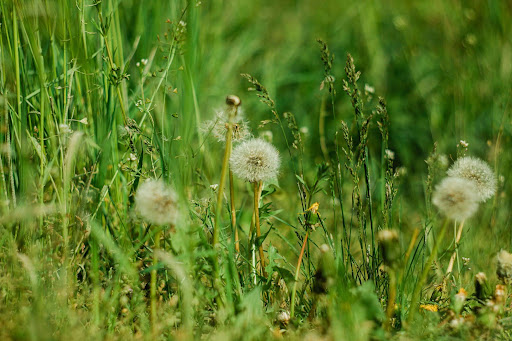
Weeds commonly found in New York lawns include crabgrass, dandelion, white clover, yellow nutsedge, broadleaf plantain, goosegrass, annual bluegrass, chickweed, oxalis, and ground ivy.
Identifying New York lawn weeds correctly is the first step because each species has a different life cycle, spreads differently, and requires a different treatment strategy. Proper lawn weed identification in New York helps homeowners choose the right treatment before weeds spread.
Key Takeaways
- New York lawns commonly contain broadleaf weeds, grassy weeds, and sedge weeds, each requiring different control methods.
- Annual weeds such as crabgrass require preventive management before they become established, while perennial weeds such as dandelion and ground ivy are generally addressed during periods of active growth.
- Weed appearance often indicates underlying lawn problems such as soil compaction, poor drainage, thin turf, or improper mowing.
- Weed control timing varies by season, with spring and fall providing the best treatment windows for most species.
- Long-term weed control depends on timely, species-specific management combined with practices that improve turf density and overall lawn health.
How to Identify Weeds in a Lawn?
Most weeds in New York lawns fall into one of three categories. Identifying the category helps determine the most effective control method.
Most Common Lawn Weeds in New York
Broadleaf weeds, grassy weeds, and sedges are all common in New York lawns, but a handful of species account for most residential weed problems.
The following are the most common weeds in grass in New York, how to identify them, why they appear, and the best time to control them.
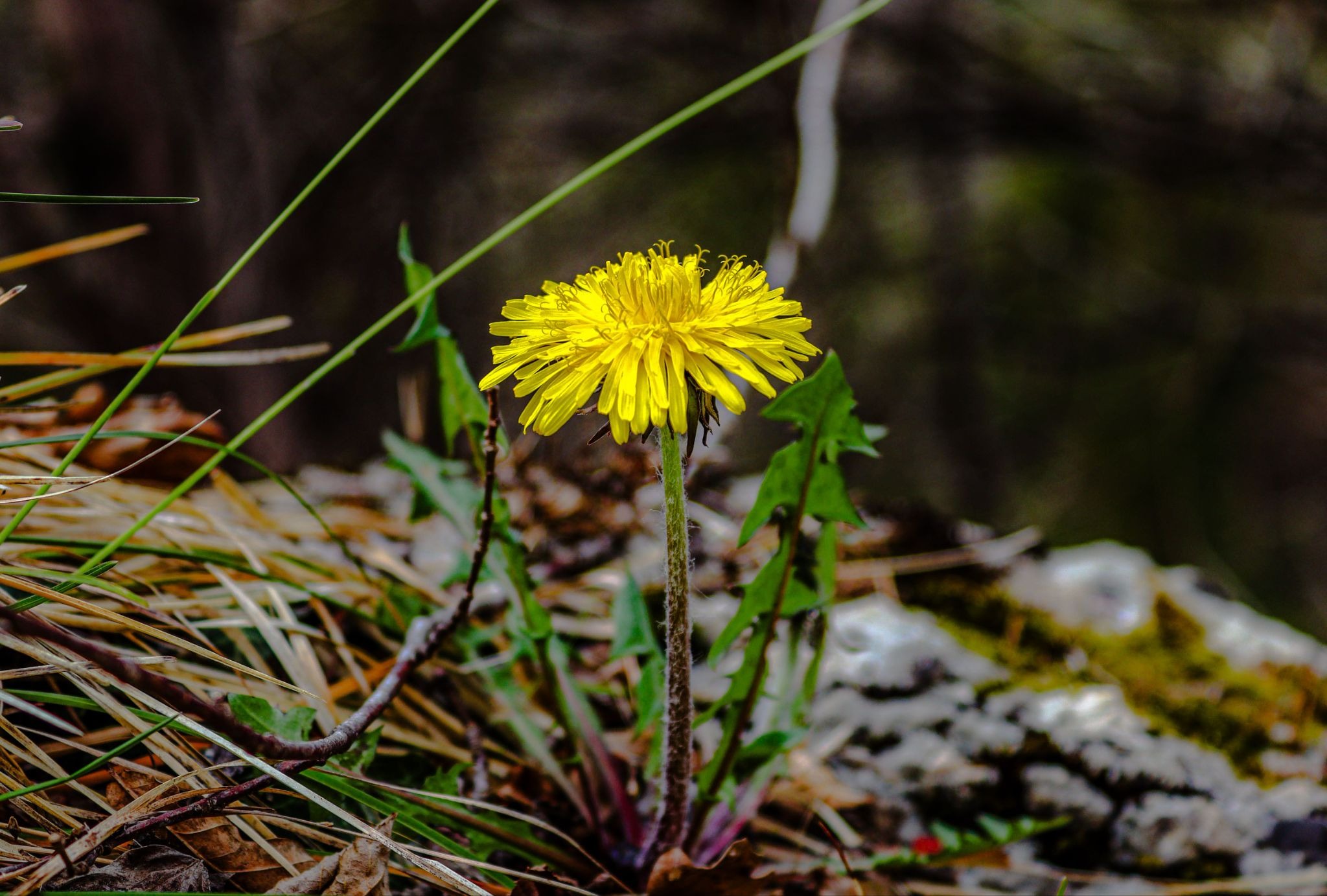
- Dandelion (Taraxacum officinale)
Weed Facts:
- Perennial broadleaf weed with a deep taproot that can regrow after incomplete removal.
- Each plant can produce up to 15,000 wind-dispersed seeds in a single season.
How to Identify It: Bright yellow flowers develop into white, spherical seed heads ("puffballs"). Leaves are deeply toothed and grow in a flat basal rosette close to the ground.
Where It Commonly Grows
- Thin or weak turf
- Sunny lawns
- Compacted soil
- Along sidewalks and driveways
Why This Weed Appears: Dandelions commonly establish where turf is thin or weak and where soil or lawn conditions give weeds an opportunity to compete with desirable grass.
When It Grows in New York: Active from early spring through late fall, with vigorous growth during spring and another flush in early fall.
Best Time to Control: Early fall can be an important treatment window for perennial broadleaf weeds because plants are actively preparing for winter. Professional treatment timing can therefore be planned around the weed's growth stage and seasonal conditions.
- Crabgrass (Digitaria sanguinalis)
Weed Facts
- Summer annual grassy weed.
- A single plant can produce more than 150,000 seeds before dying after the first frost.
How to Identify It: Light green, coarse leaf blades spread outward from a central point, forming a low, crab-like growth pattern. Mature plants develop finger-like seed heads.
Where It Commonly Grows
- Bare soil
- Lawn edges
- Driveways
- Sidewalks
- Sunny areas with thin turf
Why This Weed Appears: Crabgrass invades lawns weakened by drought, low mowing, soil disturbance, or poor turf density.
When It Grows in New York: Crabgrass is a warm-season annual weed that becomes more noticeable as temperatures rise in late spring and summer.
Best Time to Control: Crabgrass management is most effective when planned around its seasonal growth cycle, with preventive measures considered before the weed becomes established. Professional treatment timing can be adjusted based on local weather, soil conditions, and turf conditions.
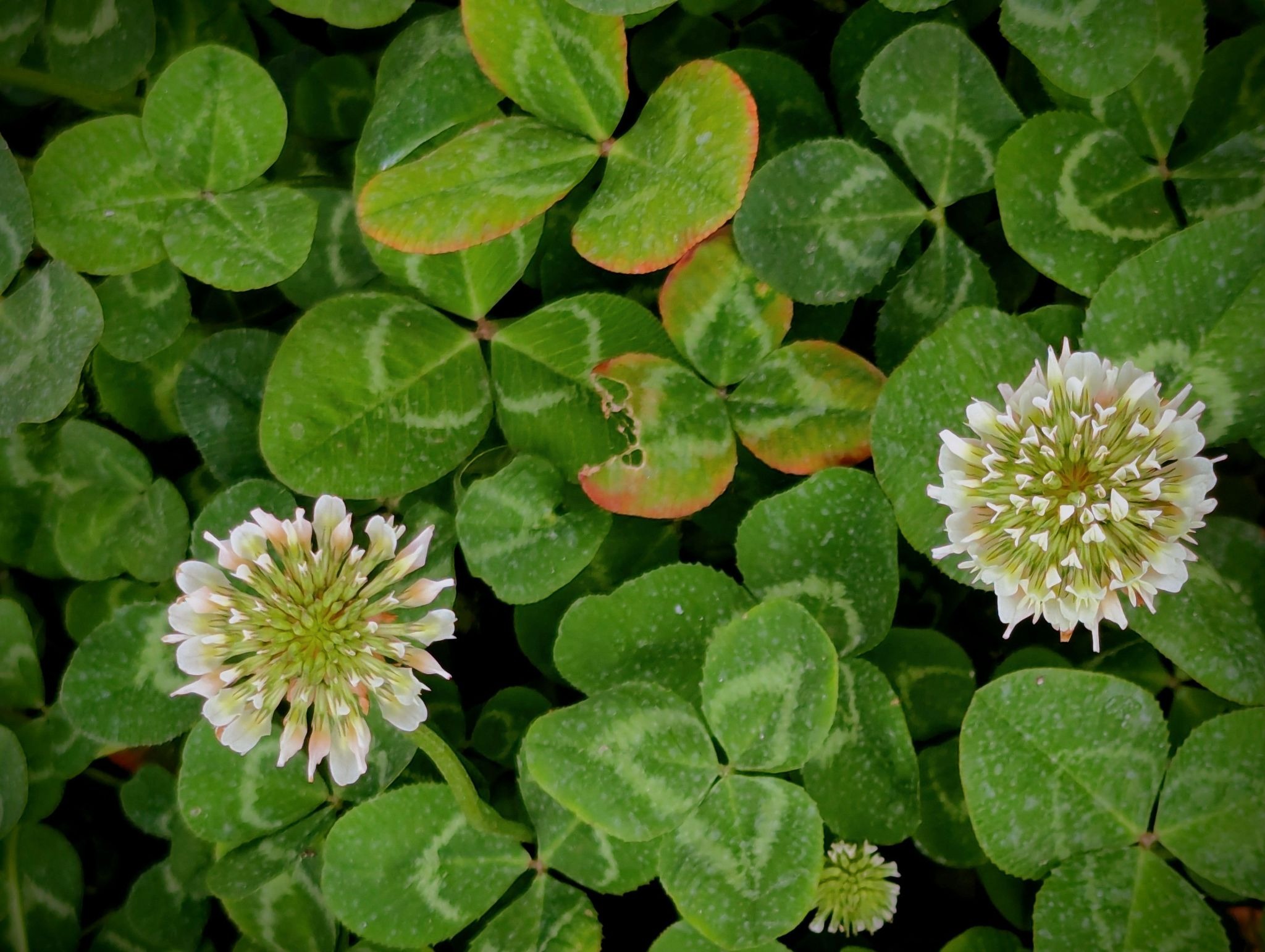
- White Clover (Trifolium repens)
Weed Facts
- Low-growing perennial broadleaf weed.
- Fixes atmospheric nitrogen, allowing it to survive in nutrient-poor soils.
How to Identify It: Three rounded leaflets with pale white crescent markings and clusters of small white flowers.
Where It Commonly Grows
- Nitrogen-deficient lawns
- Thin turf
- Sunny and lightly shaded areas
Why This Weed Appears: White clover commonly indicates low soil nitrogen, where turfgrass lacks the fertility needed to compete.
When It Grows in New York: Grows actively from spring through fall, flowering throughout summer.
Best Time to Control: White clover is generally addressed while it is actively growing. Professional treatment timing can be planned around seasonal growth while also addressing the lawn conditions that allow clover to establish and spread.
- Ground Ivy (Creeping Charlie) (Glechoma hederacea)
Weed Facts
- Creeping perennial broadleaf weed.
- Spreads rapidly through above-ground stolons that root at every node.
How to Identify It: Rounded to kidney-shaped leaves with scalloped edges grow on square stems. Small purple-blue tubular flowers appear in spring.
Where It Commonly Grows
- Shaded lawns
- Damp soil
- Under trees
- Landscape borders
Why This Weed Appears: Ground ivy thrives in areas with excessive shade, poor drainage, compacted soil, and weak turf that limit grass growth.
When It Grows in New York: Most active during the cool, moist conditions of spring and fall.
Best Time to Control: Fall can be an important treatment window for established perennial weeds such as ground ivy because the plant is preparing for winter. Professional treatment timing can be adjusted according to the weed's growth stage and local lawn conditions.
- Yellow Nutsedge (Cyperus esculentus)
Weed Facts
- Perennial sedge, not a true grass.
- Spreads through underground rhizomes and tubers ("nutlets"), making hand-pulling ineffective.
How to Identify It: Bright yellow-green leaves grow faster than surrounding turf and emerge from a distinctive triangular stem, a key characteristic of sedges.
Where It Commonly Grows
- Poorly drained lawns
- Low-lying areas
- Wet soil
- Overwatered turf
Why This Weed Appears: Poor drainage, excessive irrigation, and consistently saturated soil create ideal conditions for yellow nutsedge.
When It Grows in New York: Emerges in late spring, with peak growth during summer.
Best Time to Control: Yellow nutsedge is best addressed during its active growing period when it is clearly identifiable. Professional treatment timing should consider the plant's growth stage as well as moisture and drainage conditions that may contribute to recurring infestations.
New York Seasonal Weed Calendar
Use the calendar below as a general guide for the most active lawn weeds in New York and the best time to control them.
Get Expert Weed Control with Teed & Brown
Effective weed control starts with identifying the right weed and understanding why it is establishing in the lawn. At Teed & Brown, our approach combines weed identification, seasonal treatment timing, and overall turf care to address both existing weed pressure and the conditions that allow weeds to return.
During scheduled service visits, Teed & Brown helps New York homeowners by:
- Identifying broadleaf, grassy, and sedge weeds affecting the lawn.
- Recommending seasonally timed weed control based on the weed species and its growth stage.
- Controlling annual weeds such as crabgrass through appropriately timed preventive treatments.
- Treating established weeds, including dandelion, white clover, ground ivy, and yellow nutsedge, through targeted professional treatments.
- Improving turf density through fertilization, aeration and seeding, and irrigation management to reduce future weed pressure.
If weeds keep returning despite regular lawn care, a professional evaluation can help identify the cause and determine the right weed-control strategy. Contact Teed & Brown to discuss a customized lawn-care and weed-control program for your New York property.
FAQs
What are the most common lawn weeds in New York?
The most common lawn weeds in New York are dandelion, crabgrass, white clover, ground ivy (creeping Charlie), and yellow nutsedge.
What is the best time to treat weeds in New York?
The best time to treat weeds in New York is early spring for annual weeds such as crabgrass and early to mid-fall for perennial weeds such as dandelion, white clover, and ground ivy.
Which weeds spread the fastest in New York lawns?
Crabgrass, yellow nutsedge, and ground ivy spread the fastest in New York lawns. Crabgrass spreads by seed, yellow nutsedge by underground tubers, and ground ivy by creeping stolons that root as they spread.
When should I hire a professional lawn weed control service?
Hire a professional lawn weed control service when weeds return every year, multiple weed species are present, infestations cover large areas, or you cannot accurately identify the weed.
Related posts


Private Consultation for Your Property.
True lawn care is not about promises-it's about stewardship. We manage each property with intention, precision, and accountability, so you can enjoy complete confidence in who you've entrusted your landscape to.