
.svg)

Why Is My Lawn Turning Yellow? Common Causes and What It Means
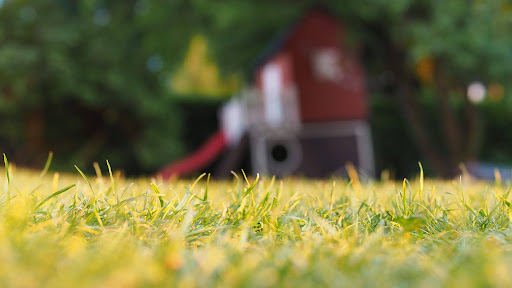
A yellow lawn is one of the more frustrating sights a homeowner can face, especially when the grass looked fine just weeks before. Why is my lawn turning yellow is one of the most searched lawn care questions in the Northeast, and the answer is rarely simple.
Nutrient deficiencies, watering errors, pest activity, and soil issues can all cause yellowing, although the underlying problem varies from lawn to lawn. Each cause leaves a different signature on your lawn, and reading those signs correctly is the difference between a full recovery and a lawn that keeps declining.
Key Takeaways
- Yellow grass rarely has a single cause. Nutrient deficiencies, watering errors, pest activity, and fungal disease can all strip color from your lawn at once.
- Where the discoloration starts tells you more than the color itself. Uniform paleness signals something systemic, while defined patches or lifting turf point to pests or disease.
- Fading blade tips, spongy ground, and pale older growth are early warnings. Catching them before they spread makes recovery far less costly.
- Patches that keep expanding through rain, or turf that lifts away from the soil, signal damage that runs deeper than surface stress.
- Yellow grass that doesn't respond to water or fertilizer rarely corrects itself without a professional evaluation to identify the actual cause.
Common Causes of Yellow Grass
Yellow grass is usually a symptom of an underlying lawn health issue rather than a problem on its own. The pattern of discoloration, where it appears, and how the lawn responds over time can help narrow down the cause. The most common reasons include:
- Nutrient Deficiencies
Grass needs nutrients such as nitrogen and iron to maintain healthy color and growth. Nitrogen deficiency often causes the lawn to fade from deep green to pale green or yellow, especially on older grass blades. Iron deficiency may cause newer blades to yellow while the veins remain green, particularly when soil pH limits nutrient availability.
- Watering and Soil Problems
Both too much and too little water can cause grass to yellow. Overwatered lawns often develop soft, saturated soil that limits oxygen around the roots, while drought stress causes grass to lose color and vigor, particularly in sunny areas. Soil compaction can produce similar symptoms by restricting the movement of water, air, and nutrients into the root zone.
- Pest and Disease Activity
Pests and lawn diseases typically create localized yellow patches rather than uniform discoloration. White grub larvae feed on grass roots below the surface, causing affected sections to weaken and lift easily from the soil. Grub control addresses this at the source; by the time yellowing appears above ground, root damage has typically been spreading for weeks.
Fertilizer Burn
Applying too much fertilizer, or applying it unevenly, can scorch grass and leave yellow or straw-colored patches with clearly defined edges. The discoloration often follows the application pattern rather than appearing randomly across the lawn.
- Environmental Stress
Seasonal weather and site conditions can temporarily reduce turf color. Extended summer heat, winter dormancy, prolonged shade, and heavy rainfall can all cause yellowing in affected areas. Cool-season grasses common across CT, NY, and NJ temporarily yellow during peak summer heat or hard winter conditions. While some lawns recover naturally as conditions improve, persistent discoloration may indicate a deeper issue that requires attention.
- Pet Urine
Pet urine can leave distinctive yellow or straw-colored spots with a dark green ring around the outer edge. The concentrated nitrogen and salts burn the grass at the center, while the diluted urine around the edges can temporarily stimulate greener growth, creating the characteristic bullseye pattern. Frequent urination in the same area can eventually kill the turf if the underlying stress isn't addressed.
Early Signs Your Lawn Is Turning Yellow
Yellow grass doesn't appear all at once. The earliest signals show up at the blade level in patterns that point to different underlying problems, and catching them early makes recovery significantly easier.
- Pale Color Across the Turf: Nitrogen drives chlorophyll production. When the entire lawn shifts to a flat, washed-out yellow-green with no distinct patches, a nitrogen shortage is almost always the cause.
- Yellowing Between the Veins: Younger grass blades may develop interveinal chlorosis when iron becomes unavailable.
- Brittle or Wilting Blades: Cool-season grasses show drought stress first in the fastest-drying areas. Blades go from green to dull to straw-like before the damage spreads inward.
- Circular Yellow Patches: Small, defined yellow patches that continue to expand despite adequate watering may be an early sign of fungal disease rather than drought stress.
- Soft, Spongy Lawn Sections: Indications of saturated soil or early grub activity below the surface, often before significant turf loss becomes visible. Early grub control at this stage can help prevent the root loss that causes the more severe yellowing and lifting seen later in the season.
When Yellow Grass Becomes a Serious Lawn Concern
Yellow grass from drought stress or dormancy typically bounces back once conditions improve. When it doesn't, the discoloration points to something deeper, and that's when the cost of waiting goes up significantly.
Turf Lifts Easily from the Soil
When yellowing areas pull away with little resistance, grub feeding has likely damaged the root system. By this stage, the problem has progressed beyond surface stress and requires targeted treatment.
Expanding or Merging Yellow Patches
Small yellow patches that continue growing, merge, or develop brown centers often indicate fungal disease that requires professional diagnosis. Diseases such as brown patch, summer patch, or dollar spot can spread quickly in cool-season lawns across CT, NY, and NJ if left untreated.
Yellowing That Doesn't Respond to Water or Fertilizer
When discoloration persists despite appropriate watering and nutrient applications, the underlying problem is often related to soil conditions, pest activity, disease, or another issue that requires professional evaluation.
Standing Water or a Sulfur Smell After Rain
Waterlogged soil cuts off oxygen to the roots, causing older grass blades to yellow and die. A rotten-egg odor may indicate prolonged waterlogging and oxygen-poor soil conditions. Core aeration improves drainage by opening channels through compacted soil, reducing how long water sits at the root zone after heavy rain.
Teed & Brown's lawn treatment programs get to the root cause during each scheduled visit, whether that's pest pressure, disease, or soil conditions. Contact Teed & Brown before the damage spreads further.
FAQs
Why is only part of my lawn turning yellow?
Partial yellowing usually points to a localized issue, not a lawn-wide problem. Compacted soil, shade stress, poor drainage, and uneven watering are common culprits that affect specific areas while the rest of your lawn stays green.
Can underwatering make my lawn turn yellow?
Yes, and it's one of the most common causes of yellow grass. When grass doesn't receive enough water, it loses chlorophyll and shifts from green to a pale, straw-like yellow fairly quickly.
Can seasonal changes cause yellow grass?
Seasonal shifts in temperature and sunlight can temporarily stress cool-season grasses, causing them to yellow or slow their growth. This is especially common during late summer heat or early spring when soil temperatures are still catching up.
How can I tell if yellow grass is a serious problem?
If the yellowing is spreading, the grass blades are thinning, or you're noticing soft or spongy soil underneath, those are signs of a deeper issue like grub damage, disease, or nutrient deficiency that warrants a professional evaluation.
Can Teed & Brown help restore a yellow lawn?
If you've been asking yourself why your lawn is turning yellow and aren't finding clear answers, Teed & Brown can assess what's actually driving the problem during a scheduled visit. We'll recommend the right treatment once the cause is identified, whether that's a nutrient deficiency, grub damage, or something in between.
Related posts
Private Consultation for Your Property.
True lawn care is not about promises-it's about stewardship. We manage each property with intention, precision, and accountability, so you can enjoy complete confidence in who you've entrusted your landscape to.