.svg)

Why Is My Lawn Thinning? Know Common Causes & Solutions
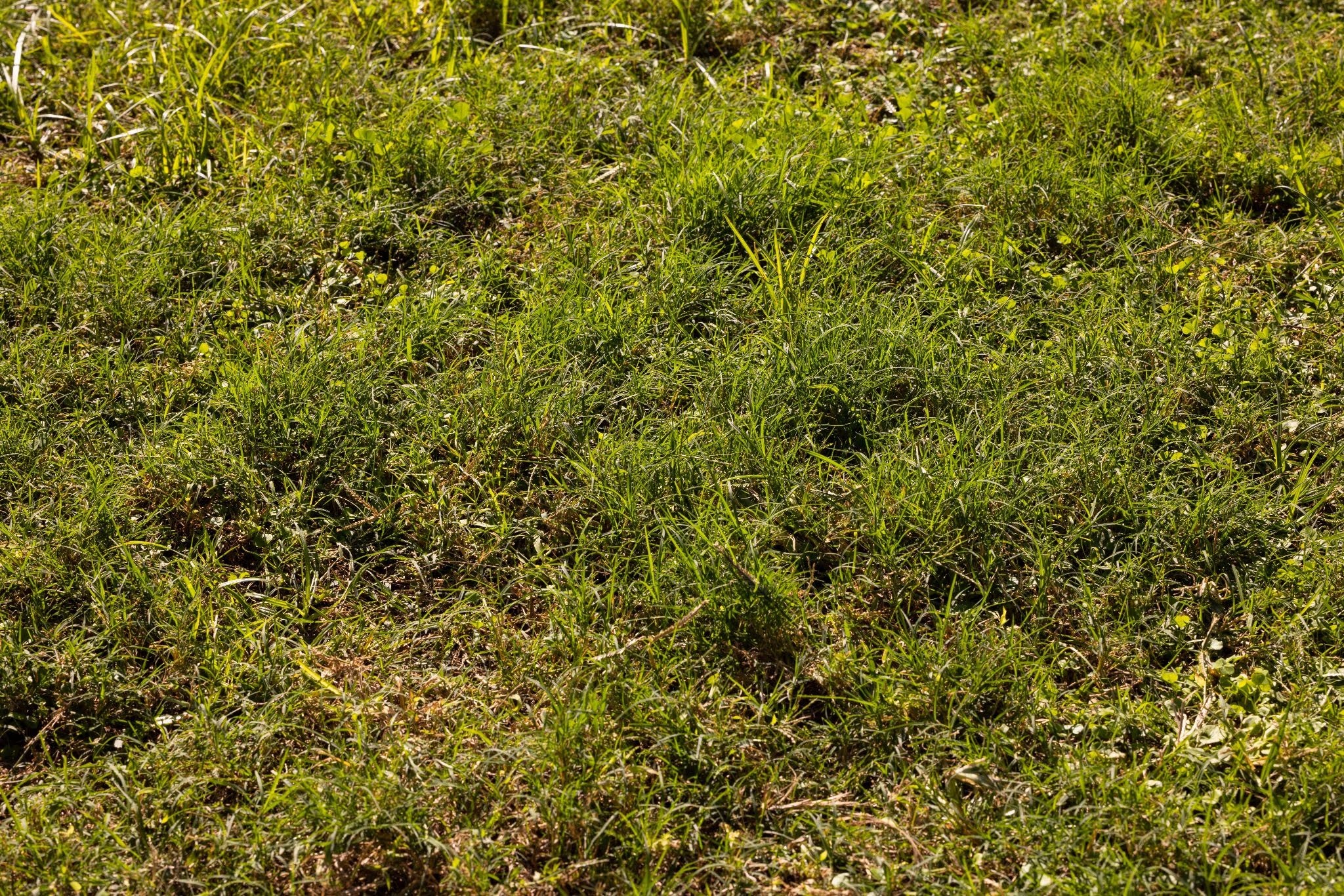
A lawn thins when the underlying conditions- soil health, moisture, compaction, or pest activity- no longer support the density the grass needs to grow. The cause varies by property, but the pattern is consistent: stress builds below the surface before it's visible above it. Identifying which one is actually driving the thinning is what determines whether the lawn recovers or keeps getting worse.
A lawn doesn't thin out overnight. It's usually the visible result of stress that's been building underneath the surface for weeks or months, long before the grass itself starts to show it.
Key Takeaways
- Thinning lawns are typically caused by soil health issues, watering problems, compaction, disease, pests, or heavy foot traffic.
- Early signs like bare patches, uneven density, and visible soil show up before a lawn looks fully thin.
- Left unaddressed, the underlying cause keeps weakening turf, leading to reduced root development and further coverage loss.
- Identifying the actual cause matters more than treating the thin patches themselves.
- A professional lawn care program addresses the underlying soil and turf conditions, not just the visible symptoms.
What Does a Thinning Lawn Mean?
A thinning lawn means turf density is dropping. Grass that should be growing close together is instead leaving visible gaps, bare soil, or noticeably weaker coverage in parts of the lawn. It's a symptom, not a standalone problem, which is why thinning in one section of a lawn can have a completely different cause than thinning in another section of the same property.
Common Causes of a Thinning Lawn
Understanding the causes of thinning grass is the first step toward restoring a healthier, denser lawn and preventing further coverage loss.
Poor Soil Health and Nutrient Deficiency: Grass growing in nutrient-poor or imbalanced soil can't sustain the density it's capable of, even with consistent watering and sunlight. Soil condition sets the ceiling for how thick a lawn can actually grow.
Improper Watering Patterns: Both overwatering and underwatering weaken turf, just in different ways. Underwatered grass thins from drought stress. Overwatered grass thins from shallow root development and increased disease risk.
Soil Compaction: Compacted soil restricts the oxygen, water, and nutrient movement that roots depend on. Grass growing in compacted ground simply can't establish the density that loose, healthy soil supports.
Excess Thatch Buildup: A thick thatch layer blocks water and nutrients from reaching the soil, creating uneven turf density even across areas that receive the same care.
Lawn Diseases and Fungal Issues: Diseases like brown patch and red thread directly damage turf, thinning affected areas as the fungal activity spreads.
Pest or Insect Damage: Grub damage is one of the most common pest-related causes of thinning, since grubs feed on root systems below the surface, weakening turf from underneath before any damage becomes visible above ground.
Heavy Foot Traffic: Repeated traffic in the same areas compacts soil and physically wears down grass faster than it can recover, gradually thinning high-use paths and gathering spots.
Early Signs Your Lawn Is Thinning
Lawn thinning usually develops gradually, and the earliest warning signs often appear before large bare areas become noticeable. Catching these changes early makes it easier to correct the underlying cause before turf density declines further.
- Visible bare or weak patches scattered across the lawn
- Uneven grass density between otherwise similar areas
- Soil becoming visible through the turf where coverage was previously thick
- Slower grass growth in certain areas compared to the rest of the lawn
- Discoloration or fine, weak grass blades in thinning sections
- Grass that struggles to recover after mowing, foot traffic, or hot weather
How Lawn Conditions Lead to Thinning Over Time
Lawn thinning usually develops gradually as underlying conditions weaken the turf's ability to grow and recover. The most common factors that contribute to thinning include:
- Compacted soil that restricts air, water, and nutrient movement to the roots.
- Inconsistent watering that causes periods of drought stress or oversaturated soil.
- Nutrient deficiencies or poor soil health that limit healthy lawn growth.
- Pest, disease, or fungal activity that damages roots or weakens grass blades.
- Heavy foot traffic and excessive thatch buildup that reduce new growth and slow recovery.
When these conditions persist, the lawn becomes less resilient to everyday stress, causing grass to thin over time and leaving bare or patchy areas that continue to expand if the underlying problem isn't addressed.
How Lawn Thinning Can Be Prevented in the Future
Preventing thinning comes down to managing the conditions that allow it to start in the first place, which is the core of what a properly run lawn care program is built to do.
Soil Health Improvement: Healthy, well-balanced soil gives grass the foundation it needs to maintain density on its own. This requires understanding a property's actual soil composition and nutrient levels, not applying a generic treatment across every lawn in the same way.
Cutting Height Improvement: Cutting height affects how much stress the turf is under at any given time. Cutting too short reduces the leaf surface grass needs to stay dense and resilient, while the right height supports stronger, fuller growth across the season.
Fertilization Timing: Nitrogen and nutrient needs shift throughout the year, and feeding turf at the wrong time can do as much harm as not feeding it at all. Getting timing right requires tracking seasonal conditions rather than following a fixed calendar.
Watering Consistency: Inconsistent watering, too much in some areas, too little in others, creates uneven density across a lawn. Calibrating watering to a property's actual soil and drainage characteristics keeps growth even instead of concentrated wherever conditions happen to be better.
Seasonal Care Coordination: A lawn that receives consistent, properly timed care across the full season builds up far more resilience than one that only gets attention when a problem is already visible. Preventing thinning effectively means addressing these factors together, not in isolation, since they compound each other when left unmanaged.
When Professional Lawn Care Services Are Recommended
If thinning has spread beyond a small, isolated area, keeps recurring after the surface symptoms are addressed, or is accompanied by other signs such as discoloration or visible pest activity, the underlying cause likely needs to be diagnosed and corrected at the soil or root level, not just treated on the surface.
How Teed & Brown approach lawn thinning:
- On-site evaluation to identify whether soil health, watering, compaction, disease, or pests are driving the thinning
- Soil and nutrient evaluation to address nutrient or drainage issues at the root cause
- Core aeration to address compaction and reduce thatch buildup is contributing to the problem
- Coordinated fertilization and seasonal care programs designed to rebuild density over time, not just patch visible gaps
- On-site evaluations during scheduled visits to identify early signs of thinning before they progress
Teed & Brown works with homeowners across Connecticut, New York, and New Jersey. If your lawn has thinned in the same areas more than once, or you're not sure what's actually driving the loss in density, schedule a consultation with Teed & Brown to get an accurate diagnosis and a plan built around your property's specific conditions.
FAQs
What are the most common reasons for a thinning lawn?
The most common causes are poor soil health, inconsistent watering, soil compaction, excess thatch, lawn disease, pest damage, and heavy foot traffic. Identifying which one is actually responsible determines the right corrective approach.
Can weather changes cause lawn thinning?
Yes, but weather typically amplifies an existing weakness rather than causing thinning on its own. Extended heat, drought, or prolonged wet conditions stress turf that's already compromised by poor soil health or inconsistent care.
How does soil health affect lawn thickness?
Soil health directly determines how much density a lawn is capable of supporting. Nutrient-poor, compacted, or imbalanced soil limits root development, which in turn limits how thick and resilient the grass growing in it can become, regardless of watering or sunlight conditions.
Can pests or insects cause thinning grass?
Yes. Grubs are among the most common pest-related causes, feeding on root systems below the surface and weakening turf from underneath before any visible damage appears above ground. By the time thinning is visible, root damage has often already been occurring for weeks.
Can professional lawn care help fix a thinning lawn?
Yes. Professional lawn care identifies the specific cause behind thinning, whether it's soil, watering, compaction, disease, or pests, and builds a program around correcting that cause rather than only addressing the visible symptom. This approach produces more lasting results than treating thin patches in isolation.

Private Consultation for Your Property.
True lawn care is not about promises-it's about stewardship. We manage each property with intention, precision, and accountability, so you can enjoy complete confidence in who you've entrusted your landscape to.