
.svg)

When to Fertilize Lawn in New York
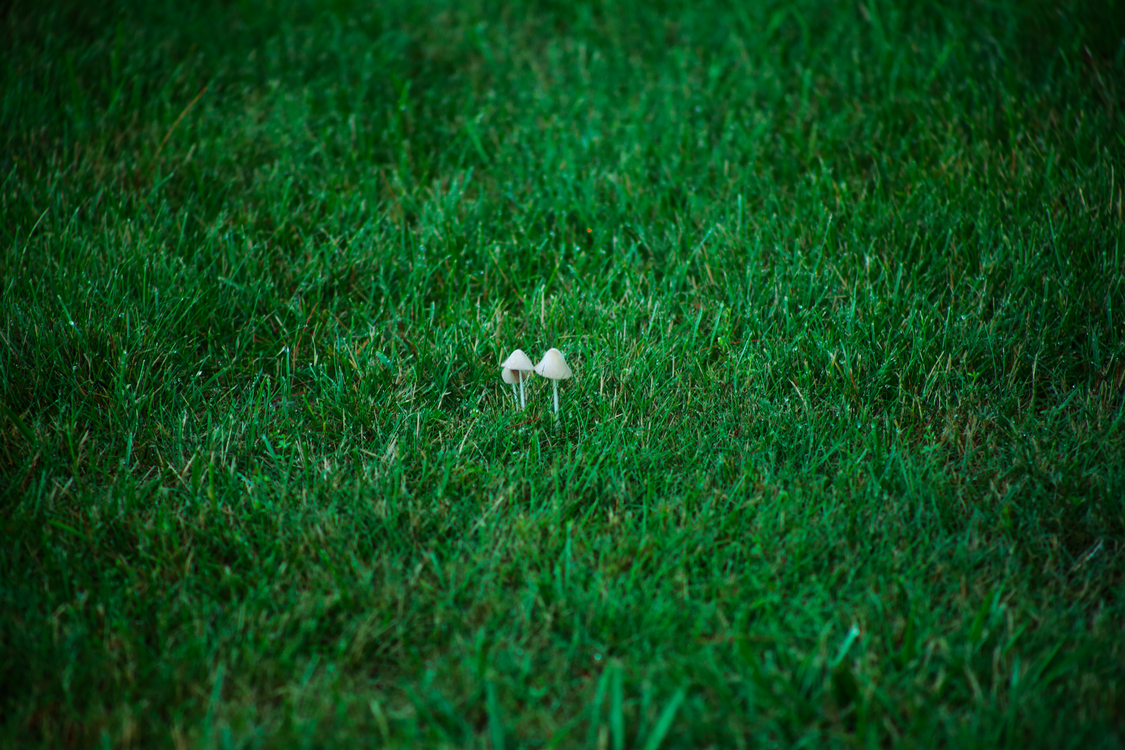
Always time your New York lawn fertilizer to match soil temperatures. Applying it at the wrong time wastes money and feeds the weeds instead of your turf.
Knowing when to fertilize lawn in New York properties is what separates a patchy yard from a thick, green one. This guide covers everything you need to know about when to fertilize lawn in New York, so keep reading!
Key Takeaways
- The best time to fertilize lawn in New York follows soil temperature and New York State's nitrogen application law, not a fixed date
- Fall is the most important feeding window for cool-season grass across the state
- A light spring application supports green-up without pushing fast, weak growth
- Downstate and Long Island properties follow tighter fertilizer timing rules than upstate lawns
- Thinning turf, pale color, and slow spring recovery are signs your lawn needs fertilizer
- Professional timing accounts for grass type, soil, and local nitrogen restrictions all at once
When to Fertilize Your Lawn in New York Throughout the Year
The best time to fertilize your lawn in New York is early fall, in September and October. A lighter feeding in early spring, once soil warms, rounds out the schedule.
Cool-season grasses like Kentucky bluegrass, tall fescue, and perennial ryegrass need a feeding rhythm tied to soil temperature, not the month.
Here's how a full New York lawn fertilizer schedule breaks down across the year.
- Early to mid-spring: Once soil warms and dries out after winter, a light, slow-release feeding helps roots recover without pushing fast, weak growth. This is the base of spring lawn fertilization New York lawns need.
- Late spring into early summer: A second, moderate feeding around late May carries grass through the shift into summer heat, especially on lawns that see a lot of foot traffic.
- Summer: Most cool-season lawns in New York need little to no nitrogen during peak heat. A heavy feeding now adds disease risk instead of density.
- Early to mid-fall (September–October): This is the top of the lawn fertilization calendar New York properties follow. Mostly because the cool soil and less weed competition let roots store energy for winter and next spring.
- Late fall: A final, light feeding after the last cut helps the roots store energy for winter. Apply it before the legal cutoff below.
New York's fertilizer application law adds another layer to cool-season lawn fertilizer timing, with dates that shift by county:
- Statewide: No lawn fertilizer, and no phosphorus fertilizer without a soil test showing a deficiency, may be applied between December 1 and April 1.
- Suffolk County: The blackout starts earlier, running November 1 through April 1.
- Nassau County: The blackout runs November 15 through April 1.
Soil temperature explains why these dates exist. Grass goes dormant once soil drops below 55°F, and it only absorbs fertilizer while actively growing. Feed after that point, and it's mostly wasted, more likely to wash into local water.
Upstate properties, from the Hudson Valley through the Capital Region, hit that 55°F mark weeks earlier in fall and later in spring than Long Island. So fertilizer for New York grass often goes down on a different date depending on where the property sits.
A professional lawn fertilization program tracks that regional gap for you, rather than using one date for every yard in the state.
7 Signs Your Lawn Needs Fertilizer
A lawn needs fertilizer when it shows fading color, slow spring recovery, or thinning turf in high-use areas. Watch for these signs to know how often to fertilize your lawn in New York properties actually need:
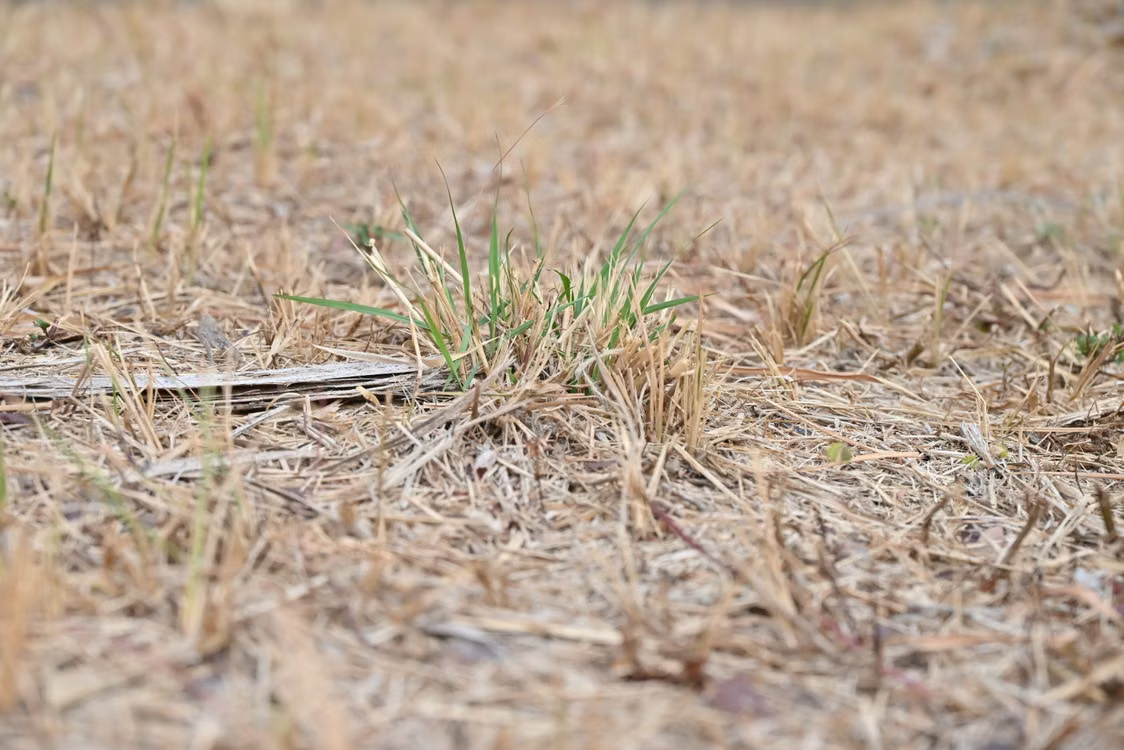
- Pale, yellow-green color instead of deep green. Nitrogen deficiency shows up as a fading color before it shows up as thinning.
- Slow spring green-up compared to neighboring lawns. If everyone else's grass fills in first and yours lags by a week or more, root reserves are likely low.
- Thinning turf in high-traffic areas. Compacted, high-use zones burn through nutrients faster than the rest of the lawn.
- Visible clay or standing water after rain. Water pooling instead of soaking in points to poor nutrient absorption, common in New York's clay-heavy and glacial till soils.
- Weeds spread into bare or thin patches. Dandelion, clover, and crabgrass move into weak turf first. Dense, well-fed grass crowds them out naturally.
- Grub damage from late summer. Turf that lifts easily in patchy brown spots often means grubs are feeding on roots below. This is common across New York from August through October, and it's exactly what our Grub Control program is built to catch early.
- No soil test in the past two or three years. Without current pH and nutrient data, it's hard to know if a lawn needs more nitrogen, or something else entirely, like lime.
If a few of these signs show up together, it's a strong sign the lawn needs more than one feeding cycle. Fall aeration paired with seeding and fertilization is often the fastest fix. Our fall lawn care guide walks through the full process.
Keep Your New York Lawn Healthy with Teed & Brown
Getting the timing right on when to fertilize lawn in New York properties takes more than a bag of fertilizer and a guess. It means tracking soil temperature and following state and county rules, whether a property sits on Long Island, in the Hudson Valley, or further upstate.
At Teed & Brown, our specialists build every New York lawn care schedule around your property's soil, grass type, and local conditions. Each application goes down at the point your lawn can actually use it.
Ready for a lawn that greens up on schedule and holds its color all season?
Request your custom quote from Teed & Brown and let our team build a fertilization plan around your property, not a generic calendar.
FAQs
Does fertilizing too early in a New York spring weaken my lawn?
Yes, fertilizing too early in a New York spring can weaken your lawn by pushing fast, weak growth before roots have recovered from winter. Wait until soil has warmed and dried out, and keep that first feeding light.
How does a rainy New York spring affect fertilizer timing?
A rainy New York spring affects fertilizer timing by keeping soil cold and wet longer, which delays when grass can absorb nutrients. Heavy rain right after feeding also raises the risk of nutrient runoff, so it's best to wait for a drier stretch.
Can I fertilize a newly seeded lawn in New York?
You can fertilize a newly seeded lawn in New York, but new seedlings need a lighter approach than established turf. Getting that timing wrong can stress young roots, so a professional program adjusts nutrient levels specifically for germinating grass.
Why should I hire a professional lawn fertilization service in New York?
You should hire a professional lawn fertilization service in New York because timing depends on soil temperature, grass type, and county rules that change from year to year. Teed & Brown builds each schedule around your property instead of one fixed date.
How often should homeowners in New York plan to fertilize their lawns each year?
Most cool-season lawns need two to four fertilizer applications a year, weighted heaviest toward early fall. A soil test confirms the right number for your specific property.
Related posts
Private Consultation for Your Property.
True lawn care is not about promises-it's about stewardship. We manage each property with intention, precision, and accountability, so you can enjoy complete confidence in who you've entrusted your landscape to.