
.svg)

When to Fertilize Lawn in New Jersey
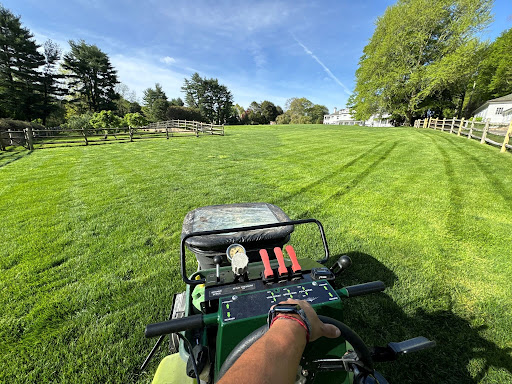
Most property owners in New Jersey fertilize their lawns from spring until fall. Since the state is primarily home to cool-season grasses such as Kentucky bluegrass, perennial ryegrass, and tall fescue, the best time to fertilize is typically early fall. These grass varieties experience their most active growth during cooler temperatures, allowing them to absorb nutrients efficiently and develop stronger root systems.
While spring fertilization helps lawns recover from winter dormancy, fall applications provide the greatest benefits by improving turf density, stress tolerance, and overall health. Knowing when to fertilize your lawn in New Jersey can help you maintain a lush, green landscape throughout the growing season.
Key Takeaways
- Fall is the most important fertilization window for New Jersey lawns.
- Cool-season grasses like Kentucky Bluegrass and Tall Fescue drive the entire fertilization schedule.
- Soil temperature is the most reliable trigger for timing applications.
- Fertilization timing should be based on seasonal turf conditions, soil health, and professional lawn assessments rather than fixed calendar dates.
- Soil pH has a direct impact on how well fertilizer works in acidic soil and nutrient uptake, regardless of application timing.
- Professional programs are timed to actual soil conditions, not a fixed schedule.
Understanding New Jersey Lawn Types Before Fertilizing
Most New Jersey lawns are made up of cool-season grasses, but not all turf responds to fertilizer in the same way. Grass type, soil conditions, and pH levels all influence how effectively nutrients are absorbed. Understanding these factors is the first step toward building a fertilization program that delivers consistent, long-term results. Key factors that Influence Fertilization Success are:
- Cool-Season Grasses Dominate New Jersey Lawns
Most New Jersey lawns contain Kentucky Bluegrass, Tall Fescue, or Perennial Ryegrass. These grasses grow most actively from spring until fall, slow down during summer heat, and become dormant in winter. Fertilization is most effective when applied during these active growth periods.
- Why Soil Type Matters for Fertilizer Uptake
Soil affects how well your lawn absorbs nutrients. Clay-heavy soils, common in many parts of North Jersey, hold nutrients longer but can drain slowly. Understanding your soil helps determine the right fertilizer type, application rate, and timing.
- The pH Factor Nobody Talks About
Even a good fertilization program can underperform if soil pH is out of balance. Most cool-season grasses grow best in soil with a pH between 6.0 and 7.0. A soil test can identify pH issues and nutrient deficiencies before treatments begin.
When Is the Best Time to Fertilize a Lawn in New Jersey?
The honest answer is: it depends on the season and what you are trying to achieve. Fertilization is most effective when applications are timed to the lawn's stage of growth, soil conditions, and seasonal weather rather than fixed calendar dates.
Although fertilization commonly takes place from spring through fall, the exact timing and number of applications vary depending on the property's grass type, soil conditions, weather patterns, and overall lawn health. Professional lawn care programs adjust treatments throughout the season rather than following a fixed calendar.
Spring (April to May)
As soil temperatures rise in spring, cool-season grass begins active growth. A light, well-timed fertilizer application helps the lawn recover from winter and strengthen roots without encouraging excessive top growth.
Key priorities:
- Support recovery from winter dormancy
- Encourage healthy root development
- Avoid heavy nitrogen applications
- Coordinate fertilization with pre-emergent weed control
A spring application should reinforce the benefits of a strong fall program, not replace it. Proper timing is especially important when combining fertilizer and weed prevention treatments.
Early Summer (June)
Some lawns may benefit from supplemental fertilization during early summer, depending on turf health, soil conditions, and seasonal weather.fz As temperatures rise, cool-season grass growth begins to slow, and excessive fertilization can encourage weak growth heading into summer stress. This is also when drought conditions become more of a concern, making proper watering just as important as fertilization.
Midsummer (July to August)
During midsummer, cool-season lawns often experience heat and moisture stress. Professional lawn care programs typically evaluate turf condition before deciding whether any fertilizer is appropriate, as application rates and products may differ from those used during the primary growing seasons. The midsummer window is about protection and irrigation management, not feeding.
Fall (Late August Through Early November)
Fall is the most important season for New Jersey lawns. As temperatures cool, grass focuses on root growth, recovery from summer stress, and storing energy for winter. A strong fall fertilization program helps build a healthier lawn that greens up faster in spring. A well-timed fall program delivers the biggest long-term results for cool-season turf.
Key Priorities:
- Support root development and recovery
- Build energy reserves for winter
- Apply fertilizer as part of a professionally timed fall lawn care program.
- Complete seasonal fertilization before turf enters winter dormancy.
Signs Your New Jersey Lawn May Need Fertilization
Your lawn communicates nutrient deficiency before the problem becomes critical. These are the signs to watch for:
Yellowing or Pale Green Color
A healthy New Jersey lawn should be a consistent, deep green through the active growing seasons. Yellowing or pale, washed-out colour often points to nitrogen deficiency. It is most noticeable in spring when newly growing grass lacks the deep colour of a well-fed lawn.
Slow or Uneven Growth
If parts of the lawn are growing noticeably slower than others, or if the overall growth rate seems sluggish even in optimal temperatures, nutrient availability is a likely factor. Slow growth also makes thin areas harder to fill in, creating the bare patches that weeds quickly colonise.
Thin Turf That Doesn’t Recover
Thin or patchy areas that return year after year are often linked to poor soil fertility. Without adequate nutrients, grass struggles to develop the root system and density needed to fill bare spots, even after overseeding. Grass seed growth depends on available nutrients. Seeding without addressing the underlying fertility problem produces inconsistent results.
Increased Weed Pressure
Weeds thrive in thin, undernourished lawns. A healthy, well-fed lawn grows denser and naturally crowds out many weeds before they can establish. Persistent weed problems often point to an underlying fertility issue rather than a weed problem alone.
Factors That Influence Fertilizer Timing in New Jersey
Soil Temperature
Fertilizer timing should follow soil temperatures, not just dates. Cool-season grass responds best when soil temperatures are between 50°F and 65°F. Applying too early or too late reduces nutrient uptake and effectiveness.
Recent Rainfall and Soil Saturation
Avoid fertilizing before heavy rain or on saturated soil, as nutrients can wash away. Slightly moist soil provides the best conditions for fertilizer absorption.
Aeration and Overseeding Timing
Fall fertilization works especially well when paired with aeration and overseeding. Aeration helps nutrients reach the root zone, improving overall results. A fall program that combines core aeration with properly timed feeding produces the best results.
Lawn History and Soil Condition
Every lawn is different. Factors such as soil pH, compaction, nutrient levels, and past maintenance all affect how fertilizer performs, making soil testing an important first step.
Common Lawn Fertilization Mistakes New Jersey Homeowners Make
Over-Fertilizing in Spring
Applying too much nitrogen in early spring promotes excessive leaf growth instead of stronger roots. A light application supports recovery; a heavy one can leave the lawn vulnerable to summer stress.
Fertilizing in Summer Heat
Applying fertilizer without considering summer turf stress can reduce effectiveness. Professional lawn care programs adjust products and application timing based on grass health, weather conditions, and seasonal needs.
Missing the Fall Window
Skipping fall fertilization leaves the lawn without the nutrient reserves needed for winter and spring recovery. The result is often slower green-up and thinner turf the following season.
Underwatering After Fertilizing
Fertilizer needs moisture to move into the soil and reach the root zone. Without adequate watering, nutrients may sit on the surface, reducing effectiveness and increasing the risk of lawn burn. Following application, proper watering helps maximize nutrient uptake and results.
Skipping the Soil Test
Without a soil test, fertilization is largely guesswork. Identifying pH imbalances and nutrient deficiencies helps ensure treatments are applied effectively and at the right time.
Why Professional Lawn Fertilization Often Produces Better Results
Professional fertilization programs deliver more consistent results because they are tailored to the lawn's specific needs rather than following a generic schedule. Factors such as soil conditions, grass type, weather patterns, and nutrient requirements are all considered to ensure applications are made at the right time and in the right amounts.
Key benefits of professional fertilization:
- Fertilizer applications timed to seasonal growing conditions
- Products selected based on grass type and lawn health
- Proper application rates that avoid over- or under-feeding
- Soil testing to identify nutrient deficiencies and pH issues
- Weed control coordinated with fertilization for better results
- Reduced risk of nutrient runoff, lawn burn, and wasted product
Transform Your Lawn with Teed & Brown
Every property develops differently, which is why fertilizer timing is adjusted based on turf condition, soil health, and seasonal growing patterns rather than a one-size-fits-all schedule.
Teed & Brown provides customized lawn care programs designed to strengthen cool-season turf, improve soil health, and tailor every application to your property's actual conditions, not a fixed schedule.
How Teed & Brown helps New Jersey lawns:
- Customized fertilization based on soil and seasonal conditions
- Weed control is coordinated with fertilization
- Core aeration to improve nutrient absorption
- Overseeding for thicker, healthier turf
- Grub control to protect roots from damage
- Seasonal lawn treatments in NJ for cool-season turf
Ready to build a stronger, more consistent lawn? Contact Teed & Brown today to schedule a customized lawn care assessment and get a fertilization program built around your New Jersey property.
FAQs
When should I fertilize my lawn in New Jersey?
The most important fertilization windows are from spring (April–May) until fall (late August–October). Fall is the priority because it supports root growth, energy storage, and stronger spring recovery. Fertilizer cannot be applied in New Jersey between November 15 and March 1.
What month is best for lawn fertilization in NJ?
September and October are typically the best months to fertilize. During this period, cool-season grass focuses on root development and recovery from summer stress, making fertilization especially effective.
How many times per year should a lawn be fertilized?
Most New Jersey lawns benefit from 3–4 applications per year: a light spring feeding, a fall application, and a late-fall winterizer. Some lawns may also benefit from an additional early-summer treatment.
Is fall or spring fertilization more important?
Fall is more important. Cool-season grasses grow most actively during autumn, using this time to build strong roots and store energy for winter and spring growth.
Can I fertilize my lawn during the summer?
Generally, no. New Jersey’s summer heat puts cool-season grass under stress, and heavy fertilization can encourage weak growth and increase disease risk. If needed, a light application in June may be appropriate, but summer feeding should be limited.
Can Teed & Brown help if my lawn looks thin or patchy?
Yes. Thin or patchy lawns are often caused by issues such as nutrient deficiencies, soil compaction, or pH imbalance. The Teed & Brown consultation evaluates the underlying conditions and builds a tailored treatment plan to improve overall lawn health.
How can professional lawn treatments improve lawn health over time?
Professional treatments are timed to seasonal conditions and tailored to your lawn’s soil, nutrient levels, and growing needs. By coordinating fertilization, aeration, and other services, a professional program delivers stronger, more consistent results over time.
Related posts

Private Consultation for Your Property.
True lawn care is not about promises-it's about stewardship. We manage each property with intention, precision, and accountability, so you can enjoy complete confidence in who you've entrusted your landscape to.