
.svg)

What Causes Brown Patches in Lawn? Common Reasons and Solutions
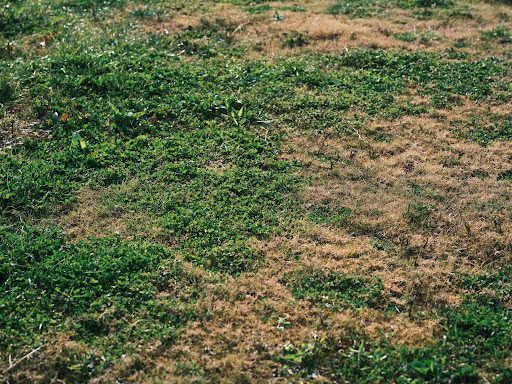
Brown patches in a lawn are most commonly caused by fungal diseases, drought stress, pet urine, fertilizer burn, insect damage, soil compaction, poor drainage, or excessive thatch. Although they all produce similar brown or dead-looking areas, each produces a distinct pattern and requires a different solution.
The shape, size, and location of a brown patch often provide the first clue to what's causing it. A circular patch, a dark green ring around dead grass, or an irregular dry area near a tree each points to a different underlying problem. Identifying the actual cause is the first step toward choosing the right treatment and preventing the damage from spreading.
Key Takeaways
- Brown patches are most commonly caused by fungal disease, pet urine, fertilizer burn, drought stress, insect damage, soil compaction, poor drainage, or excessive thatch.
- The shape and location of a brown patch help identify the cause. Circular patches often indicate disease, while irregular patches are more commonly linked to drought, compaction, or drainage issues.
- Brown patches caused by fungal disease, grubs, or untreated soil problems often expand over time if the underlying issue isn't corrected.
- Different causes require different treatments, so identifying the problem is the first step to restoring healthy turf.
- Professional lawn care combines accurate diagnosis with targeted treatment to prevent recurring brown patches and improve long-term lawn health.
What Are Brown Patches in a Lawn?
Brown patches are areas of turf that have turned brown, tan, or straw-colored because the grass is stressed, damaged, or dying while the surrounding lawn remains green. They are a symptom rather than a disease themselves and can result from fungal infections, drought stress, pet urine, fertilizer burn, insect damage, soil compaction, poor drainage, or excessive thatch. Because different causes produce similar discoloration, the size, shape, and location of the patch are important clues for identifying the underlying problem.
Most Common Causes of Brown Patches in Lawn
Brown patches can develop for many different reasons, and similar-looking damage often has very different underlying causes. Looking at the pattern, location, and condition of the grass can help narrow down what's happening before a professional diagnosis confirms the cause.
- Lawn Diseases and Fungal Infections: Fungal diseases often create circular brown areas during warm, humid weather. Because several lawn diseases produce similar symptoms, an accurate diagnosis is essential before treatment begins.
- Dog Urine or Pet Damage: Concentrated nitrogen in dog urine burns grass, killing the center while the diluted outer edge often stays dark green, creating a distinctive bullseye pattern.
- Excess Fertilizer or Burn: Too much fertilizer, or uneven application, can scorch grass, leaving brown streaks or sharply defined patches that follow the application pattern.
- Heat Stress and Drought Conditions: Extended heat and drought reduce turf moisture and increase plant stress. In Connecticut, New York, and New Jersey, cool-season lawns commonly show brown patches during prolonged summer heat, although uneven soil conditions, drainage, and sun exposure often cause some areas to brown sooner than others.
- Insect or Pest Damage: Grubs feed on grass roots below the surface, causing brown patches that lift easily from the soil as the root system dies.
- Soil Compaction and Poor Drainage: Compacted soil restricts root growth and water movement, causing stressed areas to brown while healthier sections remain green.
- Thatch Buildup Is Restricting Growth: Excessive thatch blocks water, air, and nutrients from reaching the soil, making affected grass more prone to browning.
When excessive thatch or soil compaction is contributing to recurring brown patches, core aeration can help improve water, air, and nutrient movement into the root zone.
How Brown Patches Develop in Lawns Over Time
Brown patches rarely appear at full size. A fungal infection, pest infestation, or stressed root zone usually begins as a small discolored area and expands as the underlying problem continues. As roots weaken, grass loses its ability to absorb water and nutrients, causing the affected patch to spread over time. By the time it's noticeable from a distance, the underlying cause has often been active for weeks.
Signs That Brown Patches Are Worsening
- The affected area is expanding rather than staying the same size
- Grass within the patch feels brittle or pulls up dry rather than green and pliable
- The texture of the lawn around the patch looks uneven compared to unaffected areas
- Discoloration is spreading beyond the original spot rather than staying contained
When Professional Lawn Care Services Are Needed
Because so many different causes can produce brown patches, and because several of them look similar at a glance, correctly identifying the underlying cause is essential because effective treatment depends on what's actually causing the damage.
How Teed & Brown diagnoses brown patches and treatment:
- On-site identification of the specific cause, disease, pest, pet damage, or environmental stress, based on shape, pattern, and turf condition
- Soil testing and drainage evaluation where uneven conditions are contributing to patch formation
- Treatment timing calibrated to the actual cause rather than a generic response
- Coordinated fertilization, aeration, and seasonal care to prevent the same areas from browning out repeatedly
- Ongoing evaluation through scheduled service visits to catch new patches early, before they spread
If brown patches keep showing up in the same spots, or you're not sure whether you're looking at disease, pet damage, or something else, schedule a consultation with Teed & Brown to get an accurate diagnosis and a plan built around the actual cause.
FAQs
Can overwatering cause brown patches in the lawn?
Yes. Overwatering keeps grass blades wet longer than necessary and saturates soil, which weakens root development and creates conditions that several fungal diseases rely on to spread, often appearing as expanding circular patches.
Can underwatering lead to brown patches?
Yes. Underwatered turf browns out under heat and drought stress, and uneven watering coverage across a property often means some areas dry out and brown faster than others, even when the whole lawn is receiving some water.
Do brown patches always mean the grass is dead?
No. Some brown patches are caused by temporary stress, such as heat or drought, and the grass may recover once conditions improve. Others result from disease, insect damage, or severe root injury, where the affected turf may need professional treatment or replacement. Identifying the cause is the best way to determine whether recovery is possible.
Can brown patches spread to other parts of the lawn?
Yes, depending on the cause. Brown patches caused by fungal diseases or certain pests may continue to expand if left untreated, while damage from pet urine or fertilizer burn usually remains confined to the affected area. Observing whether patches are growing over time can help identify the underlying problem.
Can professional lawn care help treat brown patches?
Yes. Professional lawn care identifies the underlying cause of brown patches, whether disease, pest damage, pet urine, or an underlying soil issue, and treats that cause directly rather than guessing based on appearance. This approach prevents the same patches from returning season after season.
Related posts
Private Consultation for Your Property.
True lawn care is not about promises-it's about stewardship. We manage each property with intention, precision, and accountability, so you can enjoy complete confidence in who you've entrusted your landscape to.