
.svg)

Spring Lawn Care Tips for Madison
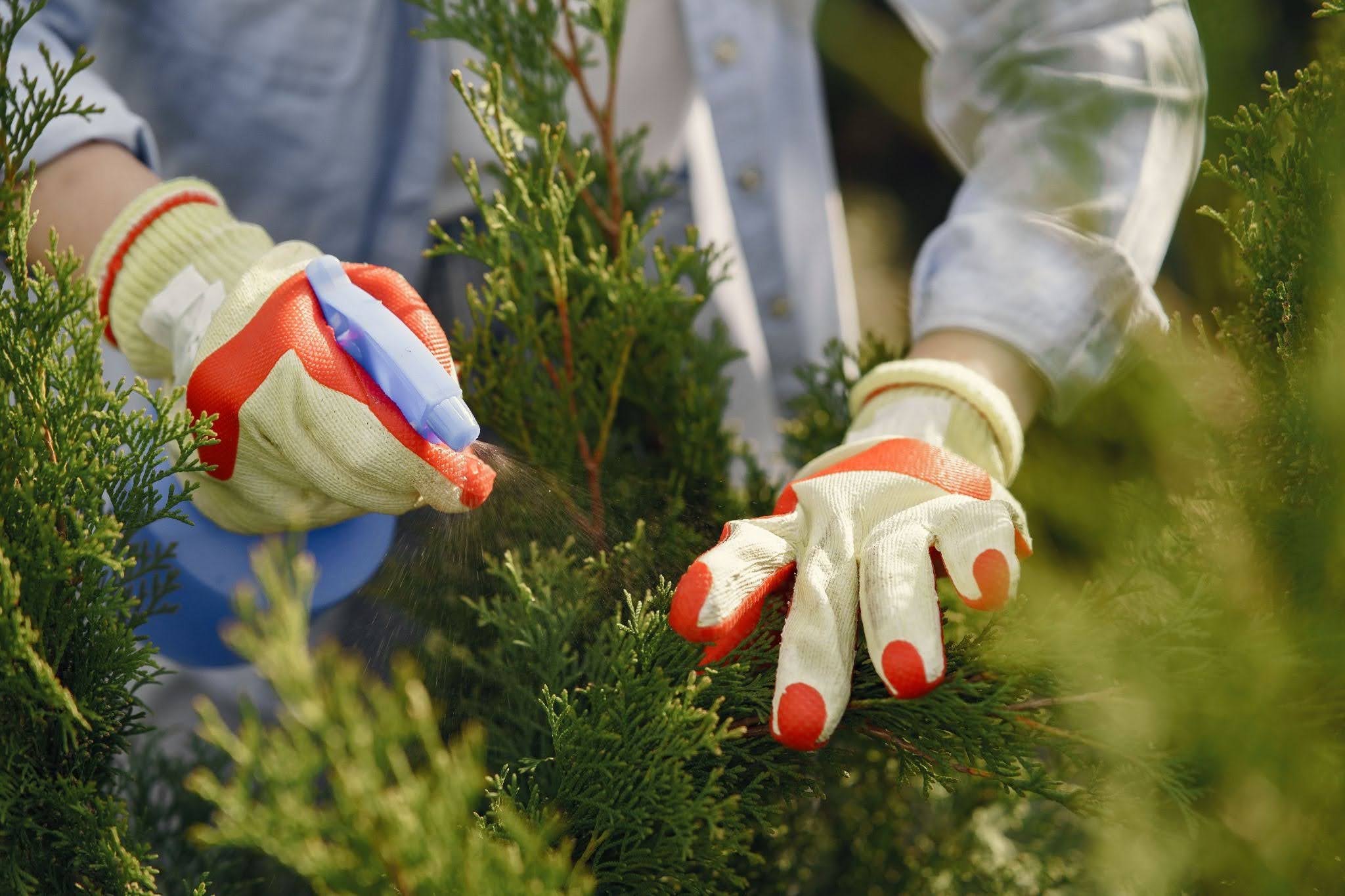
The best spring lawn care tips for Madison start with a few simple actions: clearing away winter debris, applying pre-emergent weed control before soil temperatures rise, and timing your first fertilization just as the grass greens up. Because your property location from a dry ridge down to the lower ground of the Great Swamp shapes how quickly soil warms and drains, timing is everything.
This guide covers the key spring lawn care steps for Madison lawns, from early-season cleanup and weed prevention to fertilization and preparing your grass for summer.
Key Takeaways
- Soil temperature, not the calendar, determines when pre-emergent crabgrass control should go down.
- Crabgrass typically germinates mid to late April across northern New Jersey.
- Spring seeding should target bare or thinning patches only; full-property overseeding belongs in late summer or early fall.
- Properties on Madison's ridge drain differently than those in the lower ground near the Great Swamp, which changes watering and fertility timing.
- Most Madison lawns grow from a blend of cool-season grasses, not a single variety.
7 Spring Lawn Care Tips for Madison Homeowners
Getting Madison lawn care right in spring means matching each task to soil temperature and to where a property sits, rather than working off a fixed date.
1. Start With a Soil Test, Not a Fertilizer Bag
A soil test tells you exactly what a Madison lawn needs before you spend a season guessing. New Jersey soil is commonly acidic enough to need lime, and fertilizing without a baseline can waste money or feed the wrong nutrient. Testing first means applying only what your lawn actually needs.
Lime is best applied in fall, so a spring test mostly sets up next season's liming while still guiding this year's fertilizer choice.
2. Time Crabgrass Prevention to Soil Temperature, Not the Date
Madison lawn weed control starts before crabgrass ever germinates, and the trigger is soil warmth, not a specific week. Crabgrass typically germinates mid to late April across northern New Jersey.
Miss that window, and your options become more limited for the rest of the season. It makes early timing a key part of effective Madison lawn weed control.
3. Hold Off on Spring Lawn Fertilizer Until Growth Is Active
Wait for real green growth before the first application. Most nitrogen should go down in late summer and fall, with only a small spring dose to help the lawn green up.
Applying too early, while grass is still mostly dormant, wastes nitrogen and can feed weeds more than turf.
4. Treat Spring Overseeding in Madison as Spot Repair, Not a Full Renovation
Keep spring overseeding focused on bare patches, shaded areas, and spots damaged by winter. Full-lawn overseeding is better saved for late summer or early fall, when conditions are more favorable. Spring renovation is still possible, but it is harder and comes with a higher risk of crabgrass.
If seed sown outside its ideal window looks like it never grew, it likely didn't fail. Seed can sit dormant until temperature, moisture, and light line up. So a slow-to-fill patch may still come in later.
5. Match Your Approach to Ridge or Lowland Conditions
Madison sits on a ridge formed by glacial deposits, with lower, wetter areas on either side. This also includes the Great Swamp to the southwest and the Black Meadows and Troy Meadows area to the northeast.
Ridge properties generally drain faster than lawns near these low-lying areas. That can affect how much water your lawn needs during dry spells and how quickly fertilizer moves through the soil.
6. Choose the Best Grass for Madison Lawns, Not a Single Variety
The best grass for Madison lawns is a blend, not one species. Typically include perennial ryegrass, tall fescue, fine fescue, and bluegrass. Any bare spots seeded this spring should match that blend.
Warm-season grasses aren't a fit for New Jersey's climate, so they don't belong in a spring seeding plan here.
7. Water Deep, Not Often, If Spring Turns Dry
Most Madison lawns need little supplemental watering in a normal spring, since rainfall covers it. If a dry stretch sets in, water deeply, once or twice a week, only once a lawn shows early drought stress.
Frequent shallow watering keeps the soil surface damp, favoring weed seedlings over the lawn.
Common Spring Lawn Care Mistakes in Madison
Most spring lawn care mistakes in Madison come from applying a task too early, too late, or across the whole property when only part of it needs attention.
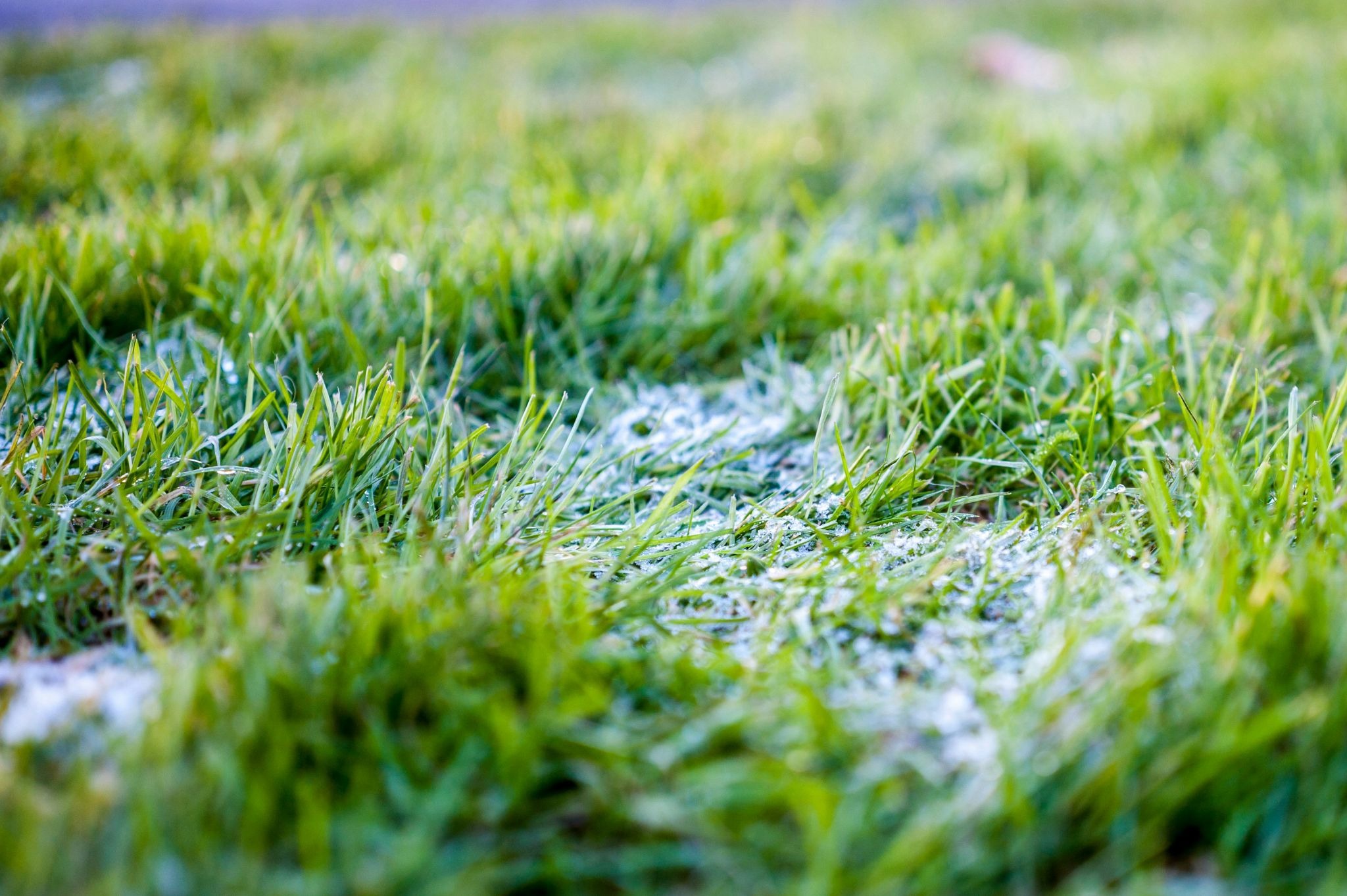
Renovating the Entire Lawn in Spring: Full-property lawn renovation in Madison works best in late summer or early fall. During this time, cooler weather and lower weed pressure give new grass room to establish. The same scope in spring means fighting a heavier crabgrass problem the whole time.
Combining Pre-Emergent Herbicide and Grass Seed Without a Plan: Pre-emergent herbicides can prevent grass seed from germinating, so using both at the wrong time can work against you. Spot-seeding is still possible, but the product, timing, and order of application need to be planned carefully.
Assuming Lawn Issues Get Caught Automatically Between Visits: Many homeowners assume pest and disease problems get flagged continuously once a service starts. Evaluation actually happens during each scheduled visit, so watching for early changes between visits, browning patches, chewed blades, thinning turf, still helps.
Keep Your Madison Lawn Healthy with Teed & Brown
Teed & Brown has served CT, NY, and Northern NJ lawns long enough to know that following the right spring lawn care tips for Madison isn't about doing more work; it's about timing what a lawn actually needs. A ridge property and one near the Great Swamp's lower ground rarely need the same spring plan.
During scheduled spring visits, T&B technicians:
- Pull and evaluate soil samples specific to your property rather than applying a generic program
- Time Grub Control and pre-emergent applications to actual soil conditions.
- Spot-seed and fertilize based on what a lawn is actually showing: ridge drainage, lowland moisture, or winter thinning
- Hold off on full-property renovation until late summer or early fall, when Madison lawns are positioned to establish well
Ready to get your Madison lawn off to a strong spring start?
Schedule a Property Consultation with Teed & Brown → and ask about spring evaluation timing for Grub Control and Tick Control before the season gets underway.
Frequently Asked Questions
When should I start spring lawn care in Madison?
Spring lawn care in Madison starts once soil temperatures climb and the lawn shows active green growth. It generally happens in the weeks leading up to forsythia bloom in April, when crabgrass itself usually germinates.
Should I fertilize my Madison lawn in early spring?
Wait until your lawn is actively growing before the first application, and keep spring's share light compared with a fall-weighted program. Fertilizing dormant grass wastes nitrogen and can push weeds more than turf.
Do I need crabgrass prevention every spring?
Yes. Crabgrass seed germinates fresh each spring, and each plant can produce thousands of seeds that stay viable for years. Skipping a season usually means a heavier problem the following summer.
How often should I water my lawn during spring?
Most Madison lawns need little to no supplemental watering in a normal spring. If a dry stretch sets in, water deeply and infrequently, once or twice a week, rather than daily.
Related posts
Private Consultation for Your Property.
True lawn care is not about promises-it's about stewardship. We manage each property with intention, precision, and accountability, so you can enjoy complete confidence in who you've entrusted your landscape to.