.svg)

Spring Lawn Care Tips for Alpine: Prepare Your Lawn for a Healthy Growing Season
The best spring lawn care tips for Alpine start with understanding what your lawn needs after winter, not simply reaching for a bag of fertilizer. Alpine's clay-heavy soil, harsh winter conditions, and New Jersey's fertilizer rules can all affect how your lawn responds in spring. What works on one property may not be the right approach for another.
This guide covers soil testing, aeration, bare patch repair, fertilization, weed prevention, and other key steps to help Alpine lawns recover from winter and build a stronger foundation for the growing season.
Key Takeaways
- Soil testing should come before any spring treatment decision, not after
- New Jersey's fertilizer law restricts when and what you can apply, even in early spring
- Crabgrass pre-emergent timing depends on soil temperature, not the calendar date
- Spring aeration in Alpine should target compacted and bare zones, not the entire lawn
- Bare patch repair works best when paired with an accurate diagnosis of the cause
- Alpine's custom cool-season grass blends need seasonal care tailored to the property, not a single grass type
7 Spring Lawn Care Tips Every Alpine Homeowner Should Follow
Generic spring advice rarely accounts for what makes Alpine lawns different. These spring lawn care tips for Alpine are built around the borough's soil, climate, and regulations.
1. Start with a lawn soil test before choosing any treatment.
Guessing what your lawn needs can waste money and may lead to unnecessary fertilizer use. A soil test taken before spring fertilization checks pH, phosphorus, potassium, and several micronutrients. These results help determine whether your lawn needs treatment at all.
2. Know New Jersey's fertilizer blackout window before you plan spring feeding.
Homeowners are prohibited from applying nitrogen or phosphorus fertilizer between November 15 and March 1, under a statewide law aimed at protecting waterways.
That means any treatment scheduled before March 1 needs to work within these limits. Phosphorus specifically stays restricted unless a soil test shows a genuine deficiency.
3. Time crabgrass pre-emergent to soil temperature, not the first warm weekend.
Crabgrass begins to emerge once soil temperature at a one-inch depth averages 57 to 63 degrees over a seven-day period. In northern New Jersey, that window often lines up with forsythia bloom. Getting it right, or having a professional track it for you, prevents a wasted application.
4. Expect a low soil pH, especially on inland lots.
Alpine's soil varies by elevation. Palisades Ridge properties tend to have thinner, rockier soil that drains quickly, while interior areas are more likely to have dense clay that holds water and compacts during freeze-thaw cycles.
Either way, low pH is common because most New Jersey soils are naturally acidic. If your soil test shows a pH of 5.5 to 6.0, lime may be more useful than adding fertilizer. Clay-heavy areas may also need aeration before seeding or adding nutrients.
5. Treat spring aeration as a targeted fix, not a full-lawn job.
Full-lawn aeration is usually more effective in fall, especially when paired with overseeding as grass enters its strongest growth period. In spring, aeration is better suited to compacted, bare, or winter-damaged areas. Seeding too early can leave new grass competing with weeds and struggling through summer heat before it has time to establish.
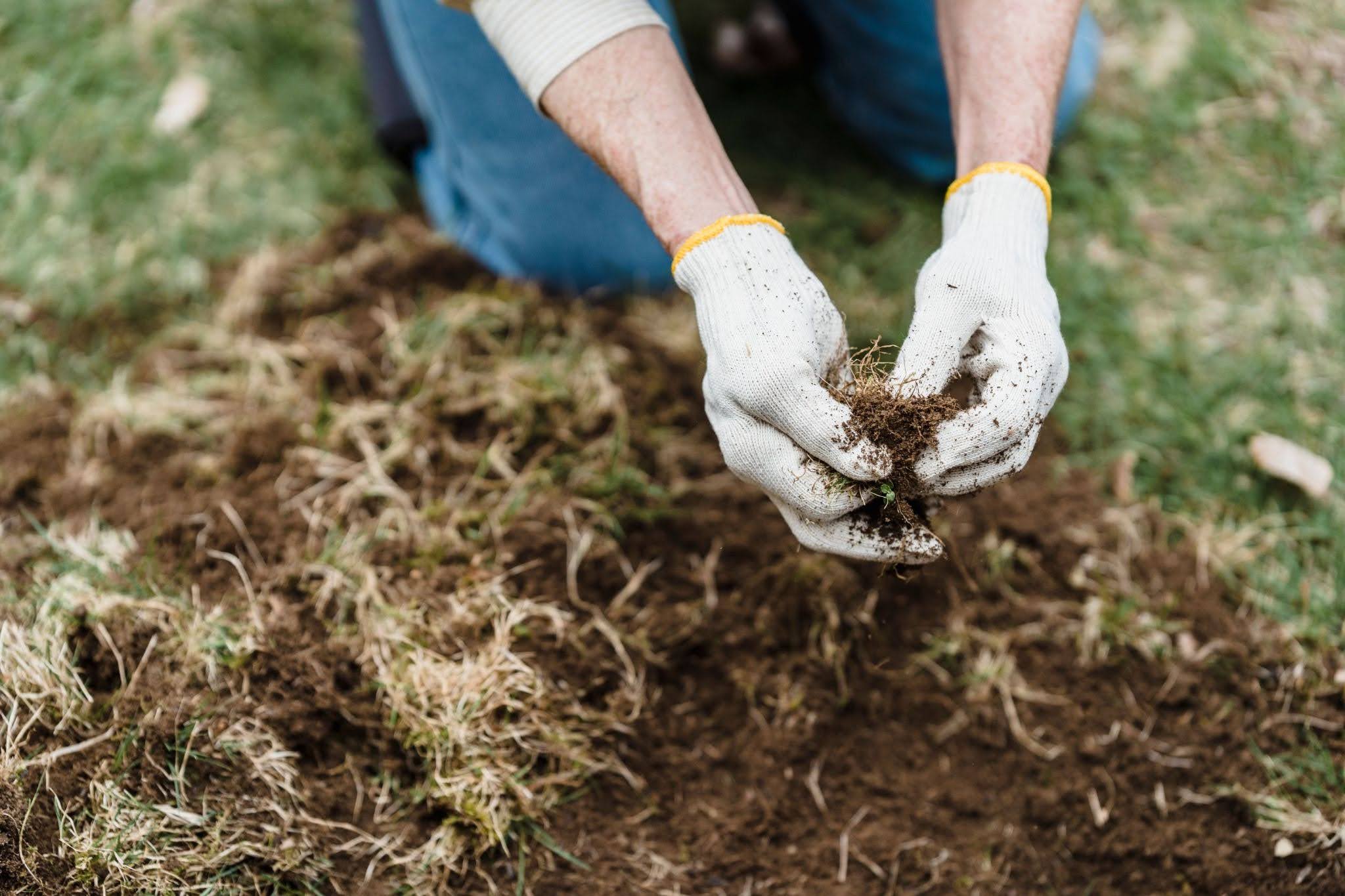
6. Match bare patch repair Alpine lawns need to the actual cause of the damage.
Snow mold, road salt runoff near driveways, matted turf from heavy snow, and grub feeding from the prior season, all leave different signatures.
Treating the wrong one delays recovery. Reviewing seasonal winter-damage patterns helps homeowners tell them apart before repairing.
7. When patching bare spots, match the grass blend already on the property.
Alpine lawns are typically seeded with a mix of Kentucky bluegrass, fine fescue, and other cool-season varieties.
A generic single-species patch seed can grow in a different color and texture than the surrounding turf and thin out again by August. Confirming the existing blend, ideally through an on-site evaluation, keeps repaired areas consistent with the rest of the lawn.
Spring Lawn Care Calendar for Alpine
Spring lawn care Alpine properties need is less about a single to-do list and more about sequencing. Alpine lawn recovery after winter follows a predictable rhythm once you account for the blackout dates and local soil conditions.
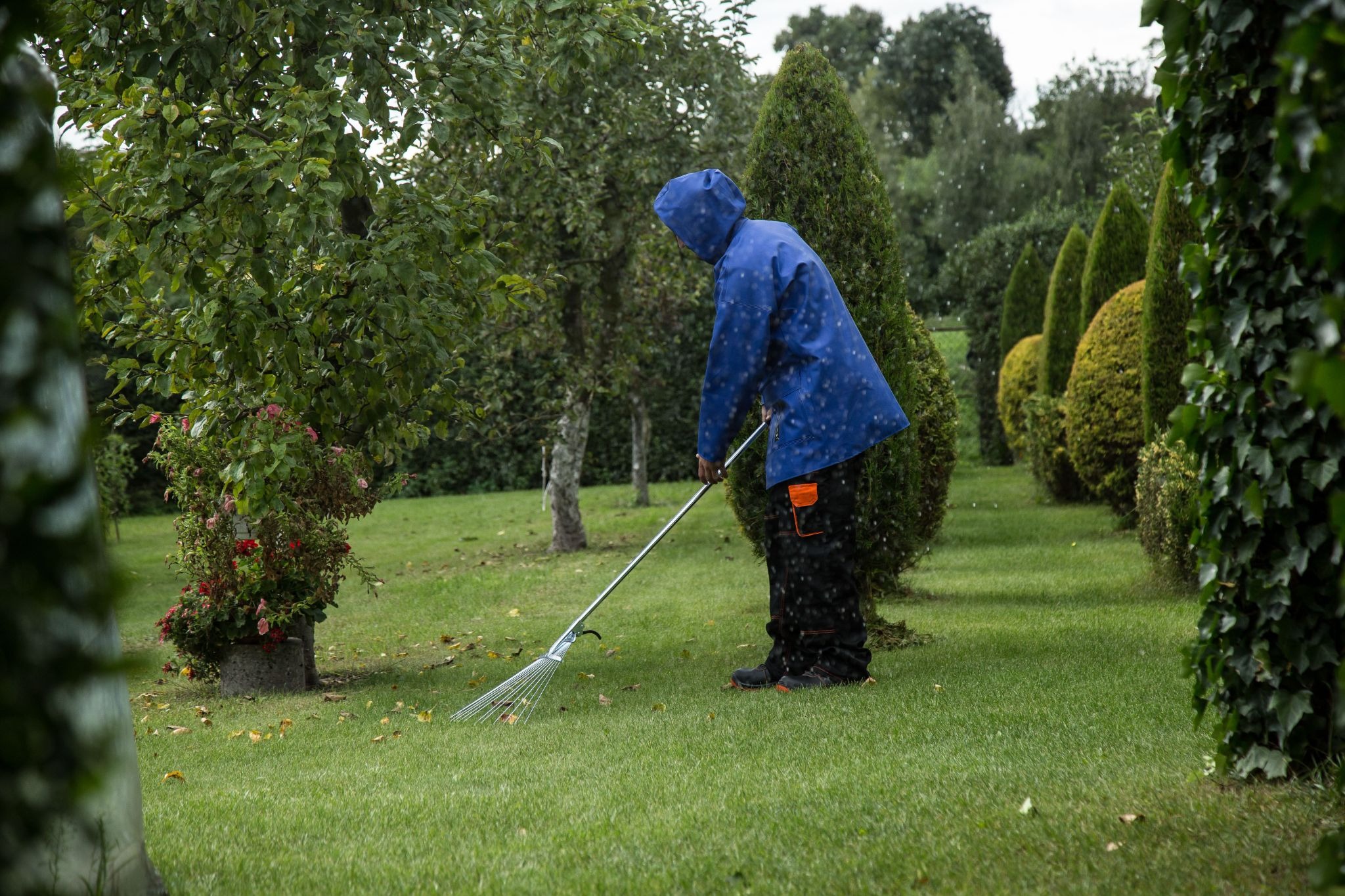
March: Pull a soil sample and walk the property for winter damage before anything else.
Note where snow mold, road salt damage, or matted turf appear, and send off a soil sample so results are back before any treatment decision has to be made.
The fertilizer blackout also lifts on March 1, the earliest date any nitrogen or phosphorus application becomes legal in New Jersey.
April: Track soil temperature for crabgrass pre-emergent and spot-aerate what March flagged.
As soil temperatures climb toward the mid-50s, this is the window for timing pre-emergent applications and for spot aeration in the compacted or bare areas identified the month before.
It is also worth flagging any early signs of grub activity left over from the previous fall before summer feeding begins. Teed & Brown's notes on identifying grub damage can help homeowners tell it apart from other spring damage.
May: Start a soil-test-based fertilizer program and schedule Tick Control if the property borders woods.
With soil test results in hand, this is typically when a balanced spring feeding program begins. It is timed to support root development ahead of summer stress.
May is also a good time to consider tick control as a season-long add-on. As temperatures rise, tick activity increases, and Alpine's wooded, hilly terrain along the Palisades provides favorable habitat for ticks.
Keep Your Alpine Lawn Healthy with Professional Lawn Care from Teed & Brown
Alpine's clay soil, steep terrain, and New Jersey's fertilizer regulations make spring lawn care more technical than it looks. Teed & Brown builds programs around your property's actual soil test results, seasonal timing rules, and turf conditions.
Our team focuses on Lawn Treatments, including fertilization, weed control, Grub Control, and aeration and seeding, plus Tick Control as a dedicated add-on, all assessed during scheduled visits rather than guesswork.
If you are ready to put these spring lawn care tips for Alpine into practice without doing the legwork yourself, explore Teed & Brown's lawn care services in Alpine or see how our New Jersey programs are built around local soil and climate conditions.
Want to put your Alpine lawn on the right track?
Get a spring plan built around your Alpine property's actual soil and terrain, not a generic template.
Request Your Free Lawn Evaluation →
FAQs
When should I start spring lawn care in Alpine?
The process effectively begins in March with a soil test and visual assessment, though most treatments cannot legally include nitrogen or phosphorus until New Jersey's fertilizer blackout lifts on March 1.
What type of grass grows best in Alpine?
Alpine lawns generally perform best with a custom blend of cool-season grasses such as Kentucky bluegrass and fine fescue, rather than a single grass type. Mostly because blended turf adapts better to the borough's mixed sun, shade, and soil conditions.
Should I fertilize my lawn immediately after winter?
No, you should not fertilize your lawn immediately after winter in Alpine. The soil temperatures are often still too low for grass to make efficient use of nutrients.
Do Alpine lawns need aeration every spring?
Alpine lawns do not need full aeration every spring, since full-property aeration is most effective in fall. Spring aeration in Alpine is best reserved as a spot treatment for compacted, bare, or winter-damaged areas identified during an early-season assessment.
Related posts
Private Consultation for Your Property.
True lawn care is not about promises-it's about stewardship. We manage each property with intention, precision, and accountability, so you can enjoy complete confidence in who you've entrusted your landscape to.