
.svg)

Lawn Disease Types: How to Identify & Protect Your Lawn
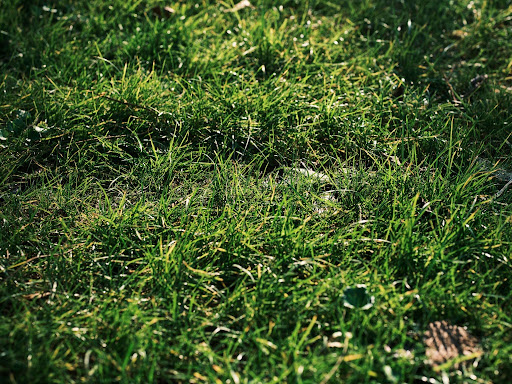
A lawn that looks healthy one week and patchy the next isn't always a watering problem. Often, it's a fungal disease taking hold, and catching it early makes a significant difference in how much damage it causes. This guide breaks down the most common lawn diseases, what causes them, and how to keep your lawn protected through every season.
Key Takeaways
- Lawn diseases are caused by fungal pathogens that thrive under specific moisture, temperature, and turf conditions.
- The most common lawn diseases in this region include brown patch, dollar spot, snow mold, and red thread.
- Disease pressure builds from a combination of excess moisture, improper cutting, nutrient imbalances, and seasonal weather shifts.
- Early identification, based on pattern, color, and texture, helps determine the right response before damage spreads.
- A consistent, professionally delivered lawn care program reduces the conditions that allow disease to take hold in the first place.
What Are Lawn Diseases?
Lawn diseases are caused by fungal pathogens that live in soil and thatch and become active when conditions favor their growth. Most are opportunistic. They don't appear out of nowhere. They take advantage of a lawn that's already under stress from excess moisture, poor air circulation, nutrient imbalance, or seasonal temperature swings. Once active, fungal disease spreads through spores, often appearing first in small patches before expanding across a lawn if left untreated.
Common Types of Lawn Diseases
- Brown Patch
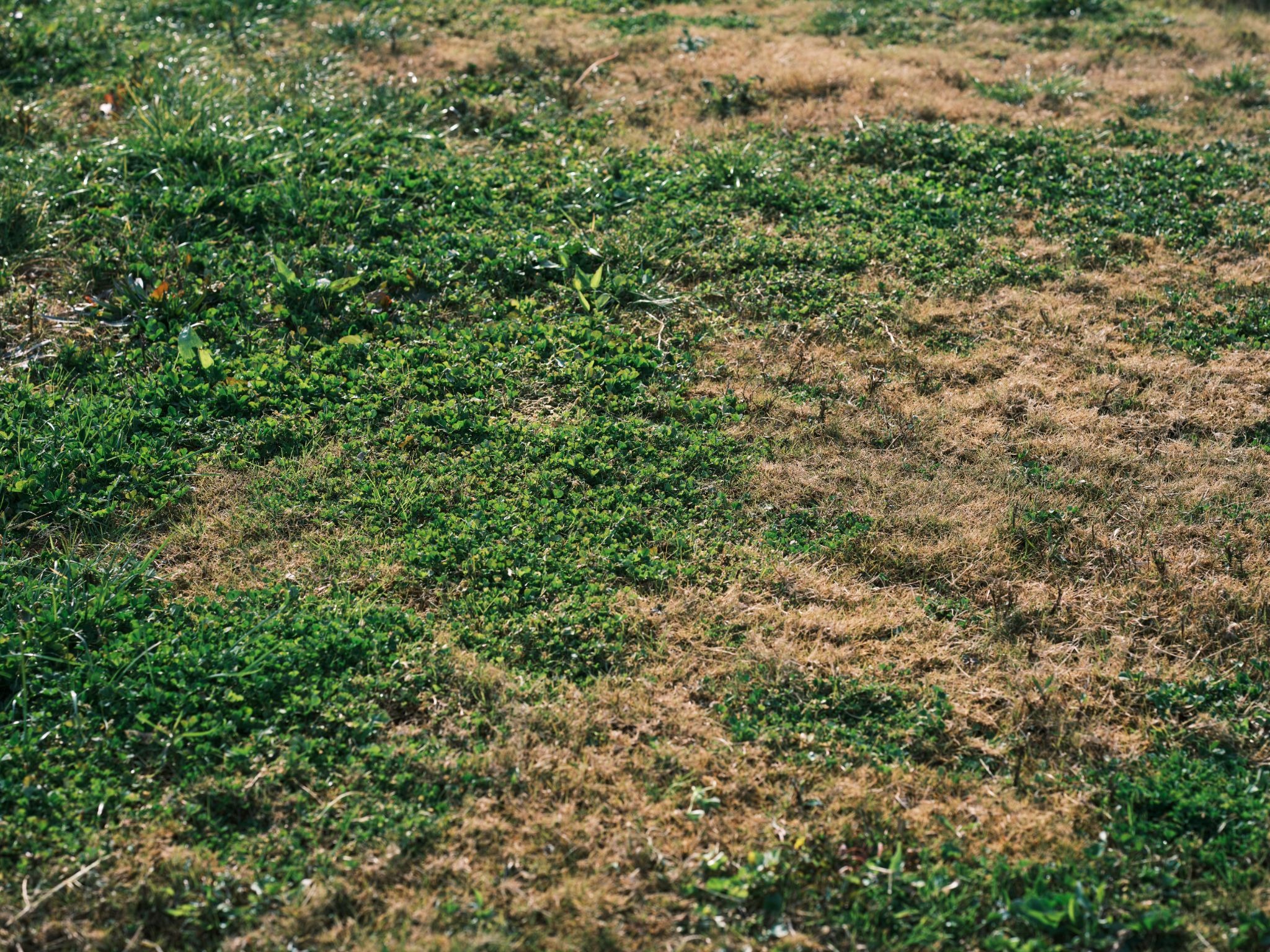
Brown patches appear as circular or irregular brown patches, often with a darker, smoky-looking border when the lawn is wet with dew. It's most active during warm, humid weather, typically in mid to late summer, and spreads quickly when nighttime temperatures stay high and grass remains wet for extended periods.
- Dollar Spot
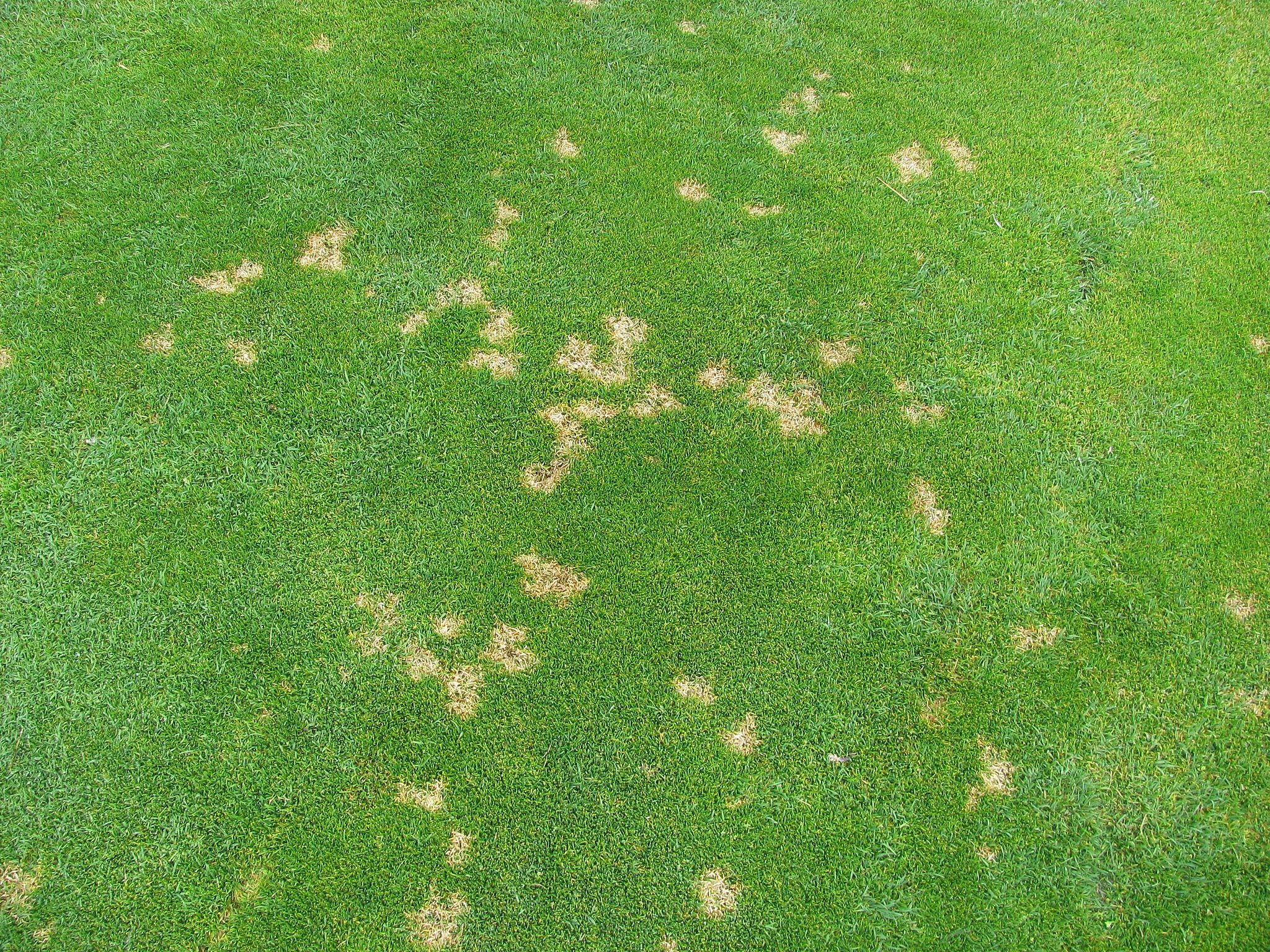
Dollar spot gets its name from the small, silver-dollar-sized spots it creates across a lawn. These spots can merge into larger patches as the disease spreads. It tends to develop in lawns with low nitrogen levels combined with prolonged leaf wetness, particularly in late spring through summer.
- Snow Mold
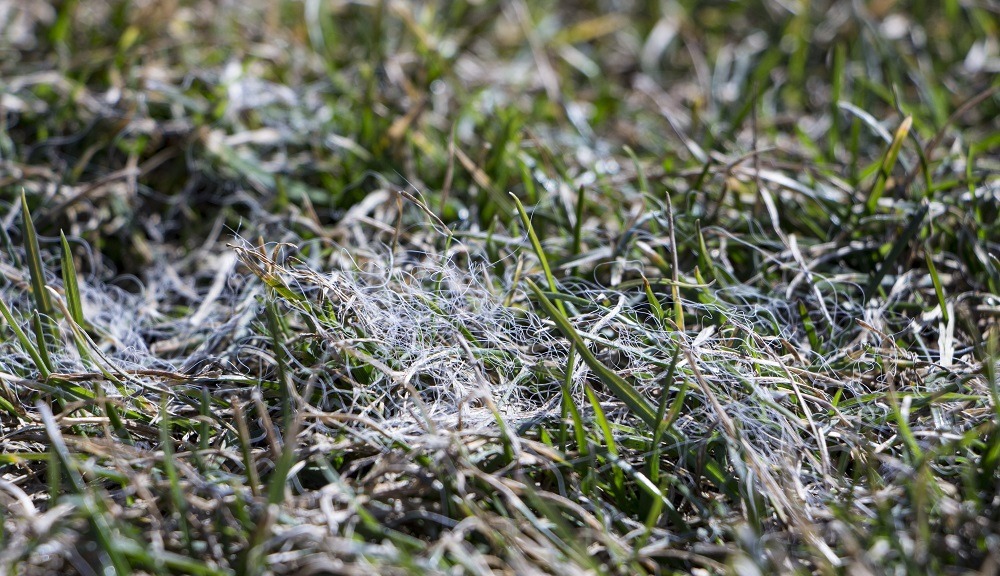
Snow mold appears as gray or pink matted patches that show up as snow melts in early spring. It develops underneath snow cover during winter, particularly in areas where snow sits for extended periods over grass that went into winter long or wet.
- Red Thread
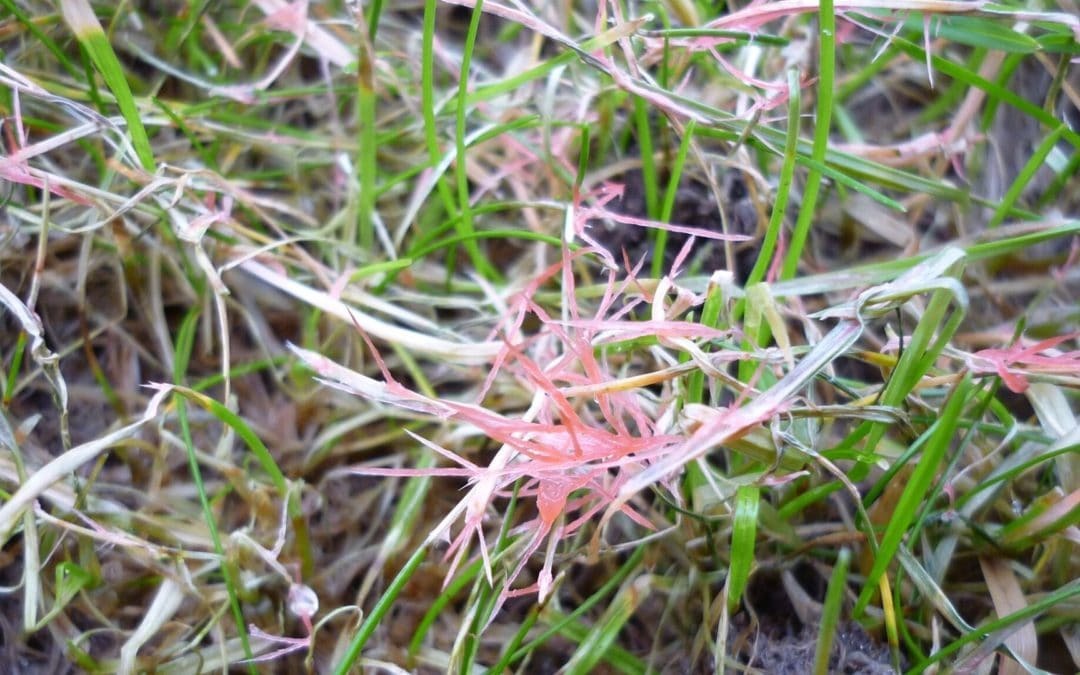
Red thread is identifiable by the thin, reddish, thread-like fungal strands that extend from the grass blades, giving affected patches a pink or red tint. It's most common in cool, wet conditions during spring and fall, and tends to be more pronounced in lawns with nitrogen deficiency.
- Leaf Spot
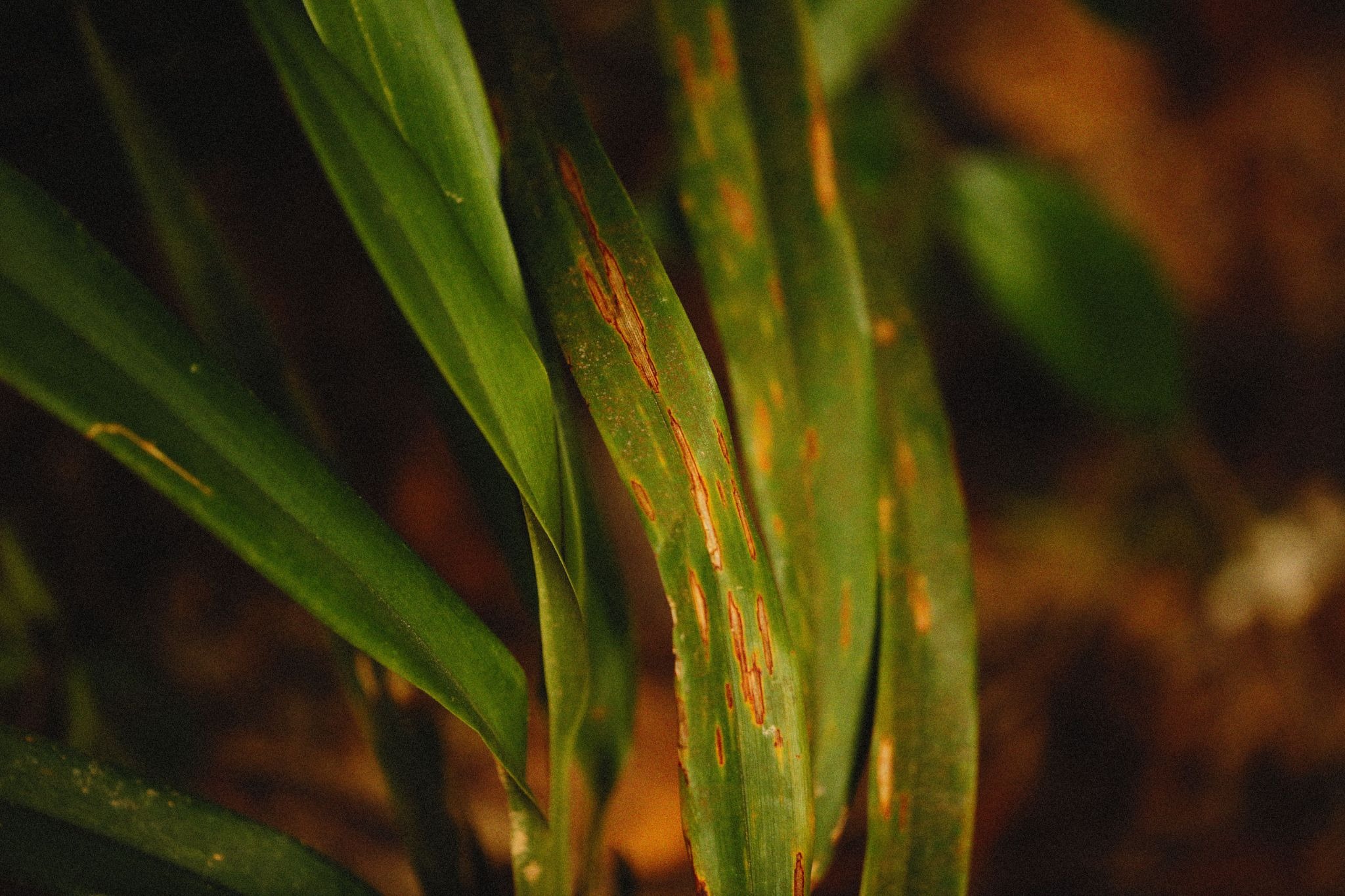
Leaf spot starts as small dark spots on individual grass blades. Left untreated, it can progress to a stage often called melting out, where entire sections of turf thin and die back. It's most active in cool, wet weather and can affect a wide range of grass types.
- Rust
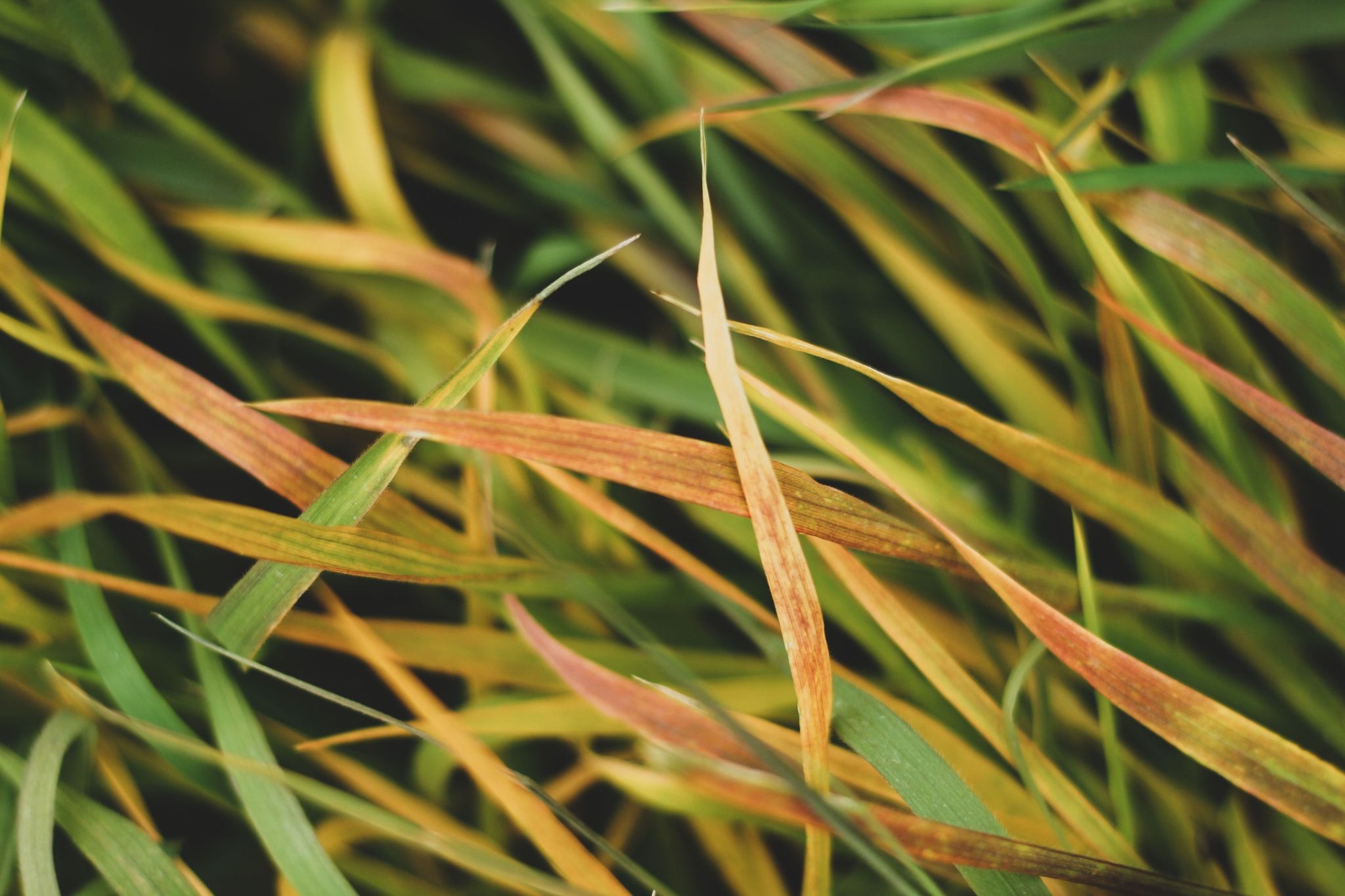
Rust presents as a powdery, orange to reddish-brown coating on grass blades, often noticeable when walking across the lawn and seeing the color transfer to shoes or mower wheels. It typically develops during periods of slow grass growth combined with extended leaf wetness.
- Fairy Ring
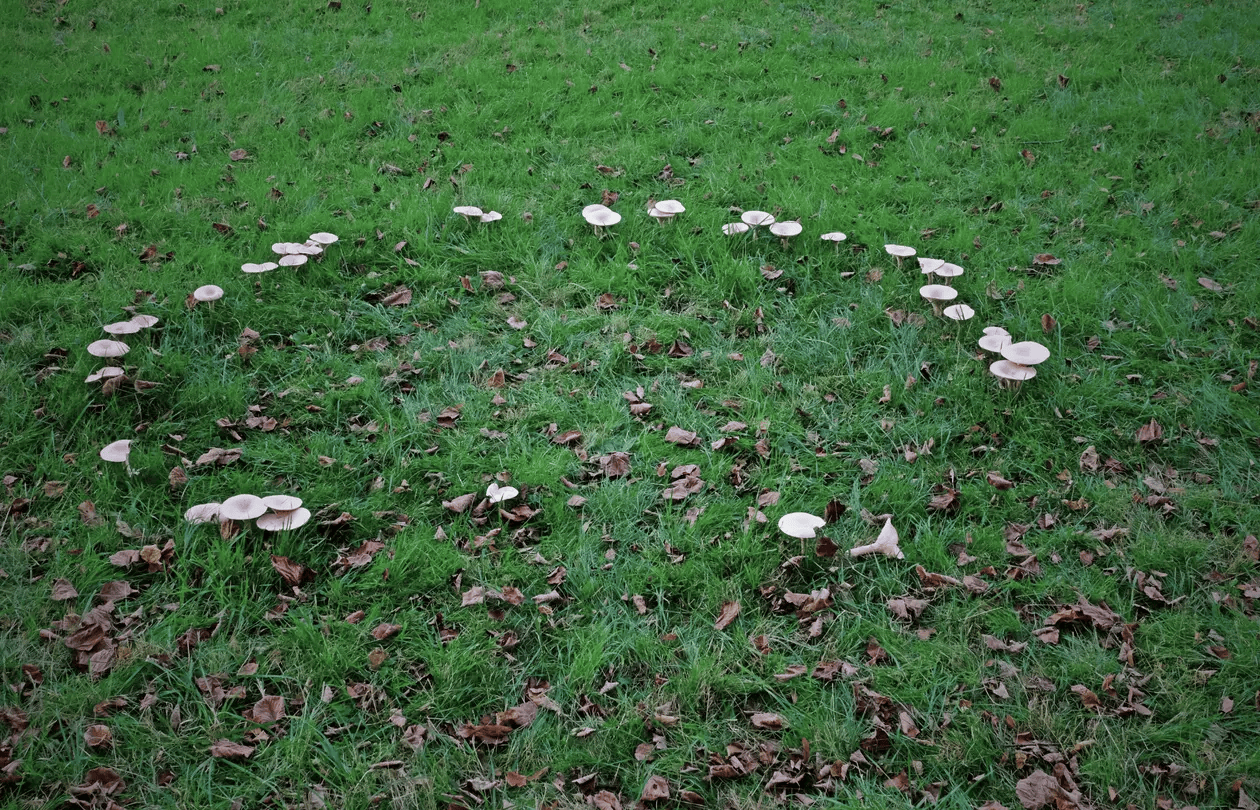
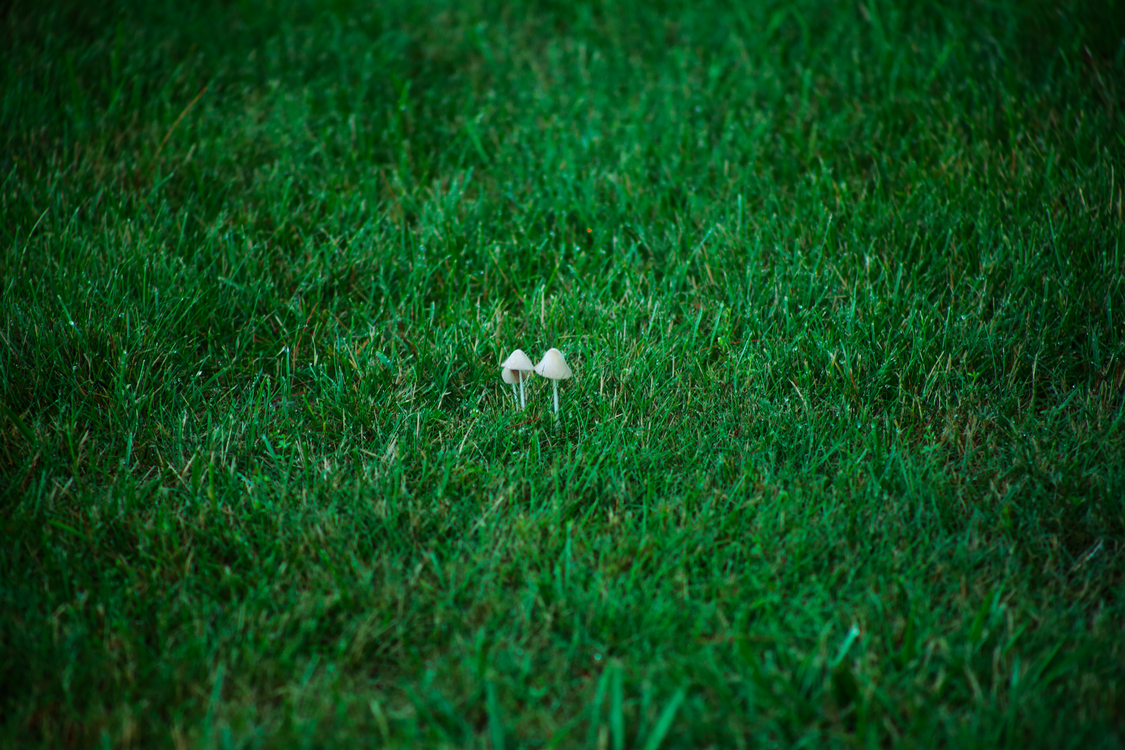
Fairy ring shows up as a circular ring of darker green, faster-growing grass, sometimes accompanied by mushrooms along the ring's edge. It's less common than the diseases above, but does occur, usually in lawns with buried organic debris like old tree roots or stumps beneath the surface.
What Causes Lawn Diseases?
- Excess moisture and poor drainage. Fungal pathogens thrive in consistently wet conditions. Lawns that hold water too long after rain or irrigation systems create the exact environment most lawn diseases need to establish.
- Improper cutting and thatch buildup. Cutting grass too short increases stress on the plant and exposes more of the crown to disease pressure. Excess thatch buildup also traps moisture against the soil surface, creating conditions that fungal pathogens can exploit.
- Nutrient imbalances. Too much or too little nitrogen at the wrong time can leave turf more vulnerable. Some diseases, like dollar spot and red thread, are directly linked to nitrogen deficiency, while others are worsened by excess nitrogen applied at the wrong point in the season.
- Seasonal weather conditions. Humidity, extended dew periods, and temperature swings between day and night all influence which diseases become active and when. Most lawn diseases follow a predictable seasonal pattern tied to these conditions.
How to Identify Lawn Diseases
Lawn diseases can often be identified by examining the pattern, color, texture, and spread of the affected grass. These common signs can help narrow down the cause before treatment.
- Pattern: Circular, ring-shaped, or irregular patches.
- Color: Brown, gray, yellow, orange, or reddish discoloration that doesn't improve with watering.
- Texture: Powdery coatings, thread-like growth, slimy patches, or matted grass blades.
- Spread: Thinning turf or patches that expand over time, especially after prolonged wet or humid weather.
What Goes Into Professional Lawn Disease Prevention
Disease prevention comes down to managing the conditions that allow fungal pathogens to take hold in the first place, rather than reacting once damage is already visible. This is where a properly managed lawn care program does most of its work.
- Watering Management: Watering too frequently, too lightly, or at the wrong time of day keeps grass blades wet longer than necessary, which is exactly the condition many fungal diseases need. A professional program accounts for a property's specific soil and drainage characteristics rather than applying a generic schedule, which is often where disease risk quietly builds.
- Fertilization Timing: Nitrogen needs shift throughout the season, and applying the wrong amount at the wrong time can either starve turf of what it needs to resist disease or push vulnerable new growth at exactly the wrong moment. Timing this correctly requires tracking seasonal conditions, not following a fixed calendar.
- Soil Drainage and Aeration: Compacted soil holds water at the surface longer than it should, creating the prolonged wetness that fungal pathogens rely on. Addressing compaction directly reduces the conditions that allow disease to establish.
- Consistent, Season-long Care: A lawn that's properly fed, watered, and aerated on a regular schedule carries far less cumulative stress than one that receives occasional, reactive attention, and stress is what makes a lawn vulnerable in the first place.
Because these factors interact with each other, getting all of them right at the same time is the actual work of a professional lawn care program, not a checklist a homeowner works through in isolation.
When to Consider Professional Lawn Disease Treatment
If a lawn shows recurring disease symptoms season after season, or if a disease has already spread beyond a small, isolated patch, professional treatment becomes the more effective path forward. Identifying the exact disease correctly matters, since treatment approaches differ, and a misdiagnosed lawn problem often leads to wasted time while the underlying issue continues to spread.
How Teed & Brown approach lawn disease management:
- Accurate, on-site lawn disease identification based on pattern, season, and turf condition
- Treatment timing calibrated to the specific disease and current weather conditions
- Soil and drainage evaluation to address the underlying conditions that allow disease to persist
- Coordinated fertilization and aeration programs that reduce disease vulnerability over time
- Seasonal lawn care programs are designed to prevent recurring issues, not just treat active symptoms
If your lawn has dealt with the same disease more than once, or if you're not sure what's actually causing a patch of damaged turf, schedule a consultation with Teed & Brown to get an accurate diagnosis and a plan built around your property's specific conditions.
FAQs
What are the most common lawn diseases?
Brown patch, dollar spot, snow mold, and red thread are among the most common lawn diseases affecting cool-season turf in Connecticut, New York, and New Jersey. Each is tied to specific seasonal and moisture conditions, with brown patch and dollar spot most active in summer, and snow mold and red thread more common in cooler, wetter periods.
What causes lawn diseases to develop?
Lawn diseases develop when fungal pathogens already present in soil and thatch encounter favorable conditions, typically excess moisture, improper cutting, nutrient imbalance, or specific seasonal weather patterns. These pathogens are often present in healthy lawns without causing visible problems until conditions shift in their favor.
How can I tell if my lawn has a disease or just seasonal stress?
Lawn disease typically shows a distinct pattern, color, or texture, such as ring shapes, powdery coatings, or thread-like growth, that general seasonal stress doesn't produce. Seasonal stress tends to affect a lawn more uniformly, while disease usually starts in a defined patch and spreads outward over time.
Are lawn diseases more common in certain seasons?
Yes. Most lawn diseases follow a predictable seasonal pattern tied to temperature and moisture. Brown patch and dollar spot are most active during warm, humid summer months, while snow mold and red thread tend to appear during cooler, wetter periods in early spring and late fall.
What makes some lawns more prone to disease than others?
Lawns with poor drainage, inconsistent fertilization, improper cutting height, or heavy thatch buildup are generally more prone to disease. These conditions create the prolonged moisture and plant stress that fungal pathogens need to become active and spread.
Can professional lawn care help prevent recurring diseases?
Yes. Professional lawn care addresses the underlying soil, drainage, and fertilization conditions that allow disease to recur, rather than only treating visible symptoms. A consistent, properly timed program significantly reduces the likelihood of the same disease returning season after season.
Private Consultation for Your Property.
True lawn care is not about promises-it's about stewardship. We manage each property with intention, precision, and accountability, so you can enjoy complete confidence in who you've entrusted your landscape to.