
.svg)

Lawn Care Tips for Norwalk
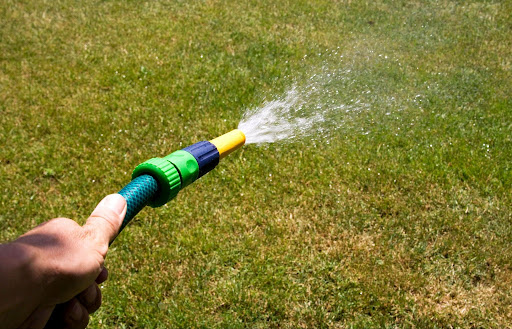
The best lawn care schedule Norwalk follows the grass's growth cycle, not a fixed year-round routine.
Cool-season grasses grow most actively during spring and fall, while Norwalk's hot, humid summers can put additional stress on turf.
For homeowners wondering how to care for grass in Norwalk, the priorities are simple: time fertilization around active growth, provide adequate water, control weeds before they spread, and address soil or turf problems before they weaken the lawn.
Key Takeaways
- Norwalk lawns are primarily cool-season turf, with Kentucky bluegrass, perennial ryegrass, and tall fescue suited to the region.
- Fall is one of the most important seasons for Norwalk lawn care, particularly for fertilization, aeration, and addressing thin or stressed turf.
- Norwalk's humid summers, variable rainfall, coastal conditions, and soil differences can increase the risk of drought stress, weeds, disease, and compaction.
- Lawn fertilizer Norwalk should be timed around active grass growth rather than applied simply because the season has changed.
- Professional lawn care helps coordinate fertilization, weed control, aeration, seeding, and other treatments around the specific needs of your property.
Lawn Care Tips for Norwalk Throughout the Year
Norwalk lawn care should change with the season. Spring focuses on recovery and early weed pressure, summer on heat and moisture stress, fall on turf recovery and root development, and winter on protecting dormant grass.
Here are the most important grass growing tips Norwalk homeowners can follow throughout the year.
Spring
- Clear leaves, branches, and other winter debris from the lawn.
- Address early-season weed pressure according to local weather, soil conditions, and the lawn's growth stage.
- Begin spring fertilization as the turf resumes active growth.
- Track turf recovery, evaluate grass density and growth as the lawn resumes active spring growth.
Summer
- Water deeply and less frequently rather than applying small amounts of water frequently.
- Aim for about 1 to 1.5 inches of water per week, including rainfall, when conditions require supplemental watering.
- Water in the early morning to reduce evaporation and allow the grass to dry during the day.
- Keep turf taller during summer to provide better shade for the soil and protect the root zone.
- Watch for signs of fungal diseases such as dollar spot and brown patch, particularly during periods of heat and humidity.
Fall
- Schedule core aeration in September or October to relieve soil compaction.
- Overseed thin or bare areas after aeration to encourage denser turf before winter.
- Apply a fall fertilizer application to support root development and prepare the lawn for winter.
- Address weeds and other turf problems before the lawn enters dormancy.
Winter
- Avoid heavy traffic on frozen or frost-covered grass, which can damage the turf.
- Keep heavy objects and accumulated debris off the lawn.
- Remove excessive leaf buildup that can smother dormant grass.
- Use the winter period to plan upcoming lawn care services and prepare equipment for spring.
When DIY Lawn Care Isn't Enough
DIY lawn care may not be enough when a lawn has persistent weeds, severe soil compaction, recurring disease, or significant insect damage.
You may need professional lawn care when:
- Water pools or runs off: Persistent pooling can indicate compacted soil or drainage problems that limit root growth and water absorption.
- Bare or brown patches keep spreading: Expanding patches may indicate insect damage, disease, or another underlying turf problem rather than simple seasonal stress.
- Grub or insect damage keeps returning: Recurring turf damage can be difficult to address without identifying which pest is affecting the lawn and when it is most active.
- Weeds continue taking over: Widespread or recurring weeds can indicate that the underlying turf is too thin or stressed to compete effectively.
- Lawn diseases return each year: Norwalk's humid growing conditions can contribute to recurring turf diseases. If the same symptoms return despite previous treatment, the lawn may need a professional assessment.
- Large areas of turf have declined: Extensive thinning or dead turf may require more than routine seasonal care, particularly when multiple issues are affecting the lawn at once.
The key is knowing when a lawn problem has moved beyond routine care. If the same issue keeps returning, spreads across the lawn, or affects turf health despite regular care, professional lawn care can identify the cause and determine the appropriate next step.
Keep Your Norwalk Lawn Healthy with Professional Lawn Care from Teed & Brown
Teed & Brown provides customized lawn care in Norwalk CT, based on your property's soil, turf, and growing conditions. Its approach combines soil profiling, turf care, and seasonal treatments to address the factors affecting lawn health.
For Norwalk homeowners, Teed & Brown provides:
- Fertilization and soil care: Nutrient applications and soil treatments based on the lawn's specific needs.
- Weed and pest control: Targeted treatments for weeds, crabgrass, grubs, and other common lawn problems.
- Aeration and seeding: Services that address compacted soil and thin or bare turf while supporting stronger root growth.
The process starts with evaluating the lawn rather than applying a one-size-fits-all treatment. Soil conditions, turf density, weeds, pests, irrigation, and seasonal growth patterns can all affect how a Norwalk lawn responds to care.
If your lawn has recurring weeds, thinning grass, brown patches, or uneven growth, Teed & Brown can identify the underlying issue and build a lawn care program around your property's needs. Contact Teed & Brown to discuss professional lawn care for your Norwalk property.
FAQs
When is the best time to fertilize a lawn in Norwalk?
Early September is one of the best times to fertilize a Norwalk lawn, with May also being an important application window for cool-season turf.
What grass grows best in Norwalk, Connecticut?
Cool-season grasses are well suited to Norwalk's climate. Common choices include Kentucky bluegrass, perennial ryegrass, and turf-type tall fescue.
How often should I water my lawn during Norwalk summers?
Water your Norwalk lawn deeply when it shows signs of drought stress rather than following a fixed daily schedule. Soil type, rainfall, temperature, and grass condition all affect how often watering is needed.
What is the best lawn care schedule for Norwalk?
A Norwalk lawn benefits from seasonal care, with spring focused on recovery, summer on heat and moisture stress, and late summer through fall on fertilization, aeration, and turf improvement.
What causes weeds to spread in Norwalk lawns?
Thin turf, soil conditions, moisture stress, and favorable growing conditions can allow weeds to spread.
When should I aerate my lawn in Norwalk?
Late summer to early fall is generally the best time to aerate cool-season lawns in Norwalk.
Related posts


Private Consultation for Your Property.
True lawn care is not about promises-it's about stewardship. We manage each property with intention, precision, and accountability, so you can enjoy complete confidence in who you've entrusted your landscape to.