
.svg)

Lawn Aeration Before and After: What Changes in Your Lawn and Why It Matters
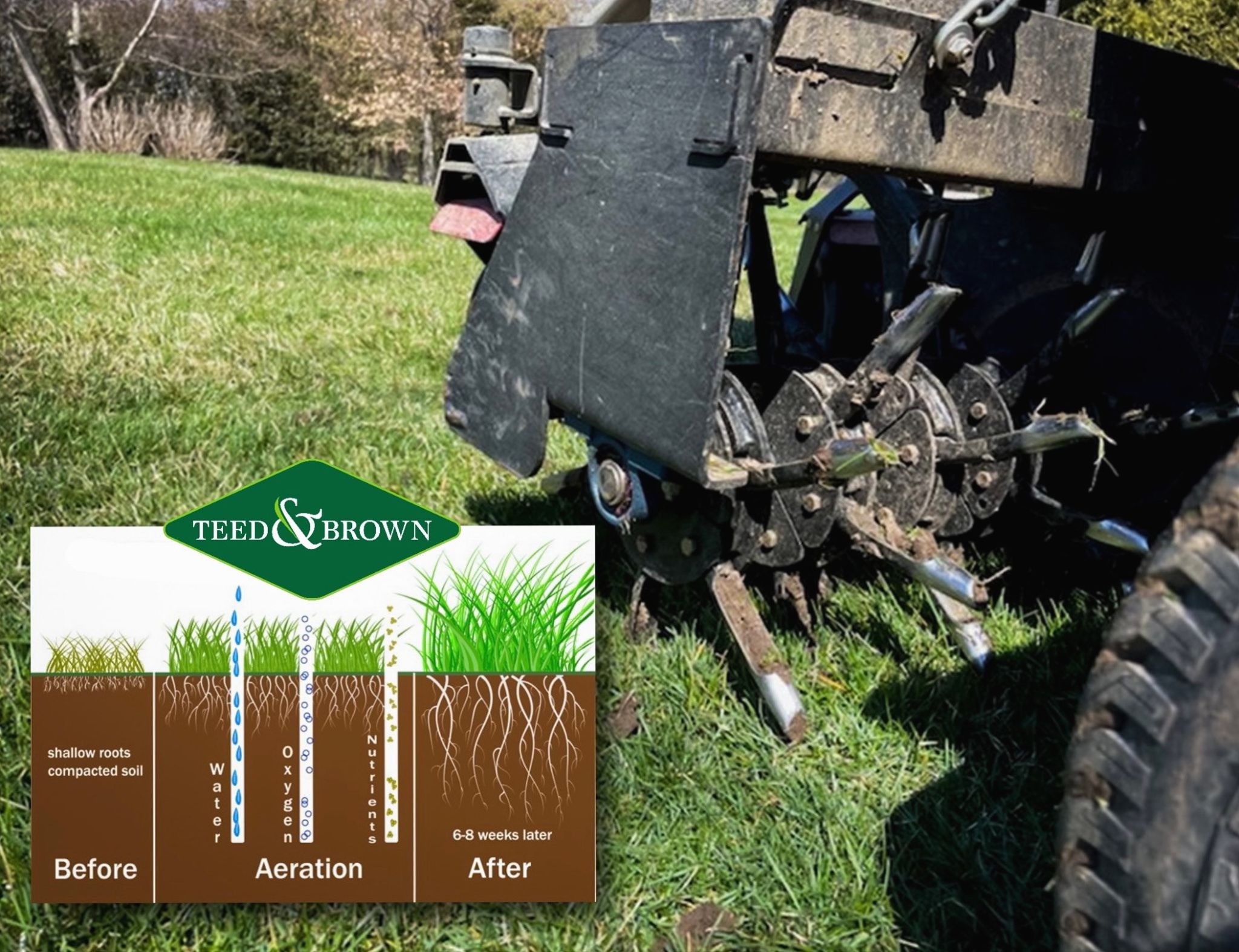
Before aeration, compacted soil turns your lawn into a slow decline: water pools on the surface, roots stop deepening, and grass thins out despite regular care. After aeration, small cores pulled from the ground break that compaction, and the lawn aeration before and after shift becomes visible as water absorbs properly, roots expand, and turf density builds back up.
However, the results vary from lawn to lawn, and they rarely show up all at once. Soil condition, timing, and what follows the service all play a role in how fast and how fully your lawn turns around.
Key Takeaways
- Before aeration, compacted soil restricts roots, water, and nutrients; after aeration, they move more freely through the root zone.
- Soil cores left on the surface after aeration break down naturally.
- Most lawns begin showing visible improvement within two to four weeks.
- Water absorption and fertilizer efficiency improve within the first two weeks after aeration.
- Overseeding after aeration improves seed-to-soil contact for better establishment.
- Annual aeration helps maintain healthier soil and stronger turf over time.
- Professional aeration delivers the best results when timed to your lawn's soil conditions.
What Lawn Aeration Actually Does to Your Lawn
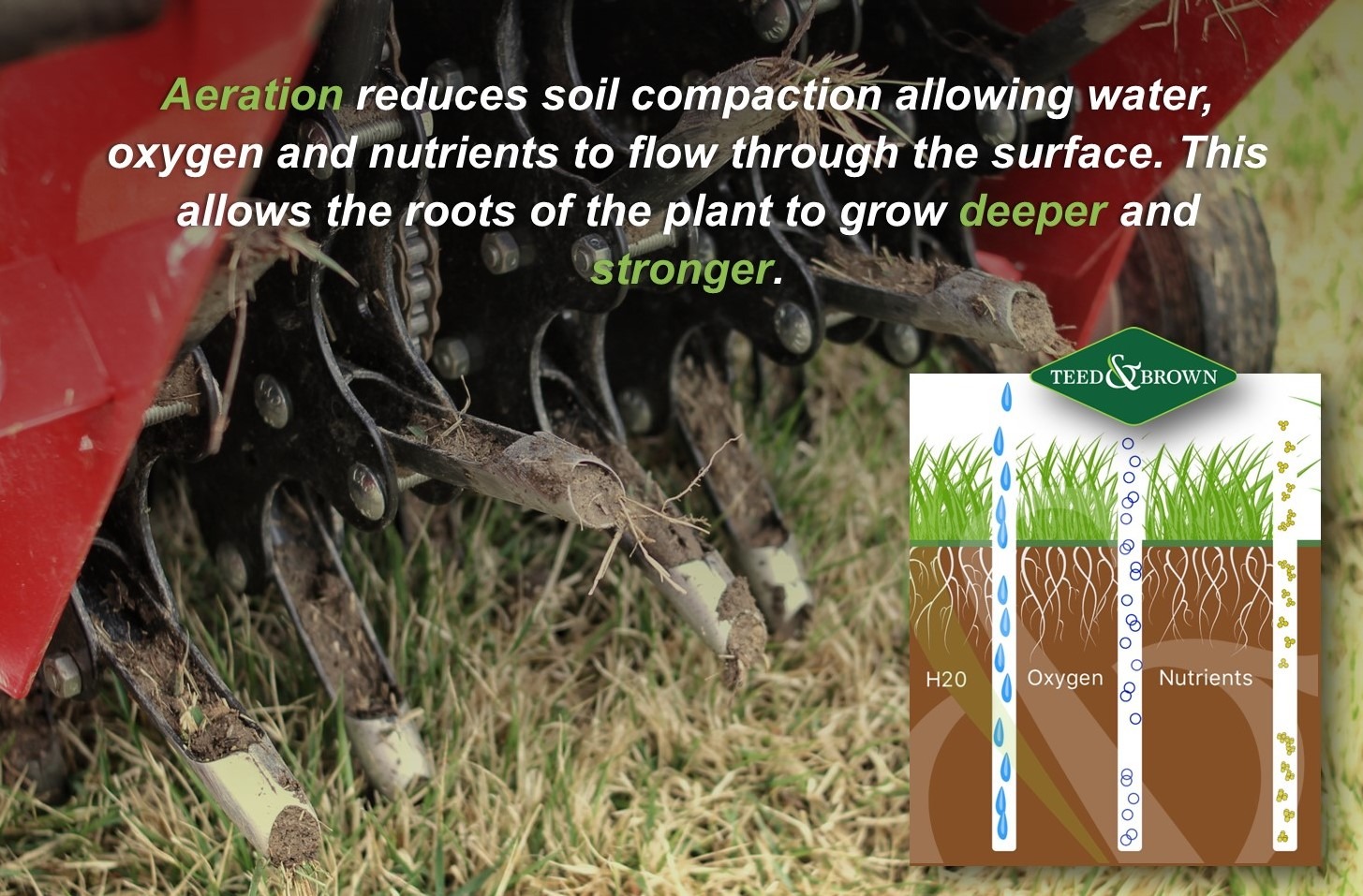
Core aeration removes small plugs of soil and thatch from your turf, opening channels for air, water, and nutrients to reach the root zone. The difference between the lawn aeration before and after can be visible in how freely resources now move through soil that was once sealed shut.
1. Relieves Soil Compaction
Heavy foot traffic and clay-dense soils press particles together until roots can no longer breathe. Aeration pulls thousands of cores from the ground, loosening the structure so roots have room to expand and absorb what they need.
2. Improves Water and Fertilizer Absorption
Compacted soil sheds water rather than absorbing it, sending fertilizer to waste before it ever reaches the roots. The open channels left behind draw moisture and nutrients directly down to where the grass actually grows.
3. Encourages Deeper Root Growth
Roots extend only as far as their soil allows. With compaction relieved and oxygen moving deeper, root systems push further down and produce turf that holds up through heat and dry periods far better than before.
4. Creates Ideal Conditions for Overseeding
The open pockets left by core aeration give new seed direct soil contact, which germination requires. This is why lawn aeration benefits extend well beyond compaction relief, and it also sets the foundation for seed to establish quickly and fill in weak areas.
What Your Lawn Looks Like Before Aeration
Soil compaction builds gradually, but the signs it leaves behind are hard to miss. Before comparing lawn aeration before and after results, it's helpful to recognize the common signs of soil compaction and declining turf health. The turf tells the story clearly if you know where to look.
- Hard, Compacted Soil: A screwdriver pressed into the ground should sink two inches with minimal resistance. Significant pushback means roots and water have nowhere to move.
- Thatch Buildup: Pull back a section of turf and check between the grass and soil line. A spongy layer of dead stems and roots thicker than half an inch is cutting off water, air, and nutrients below.
- Standing Water After Rain: Persistent puddling after rainfall may indicate soil compaction or drainage problems.
- Bare or Thinning Patches: High-traffic zones and heavily shaded areas tend to show the worst compaction. Roots can't spread, and the turf thins or disappears entirely.
What Your Lawn Looks Like Right After Aeration
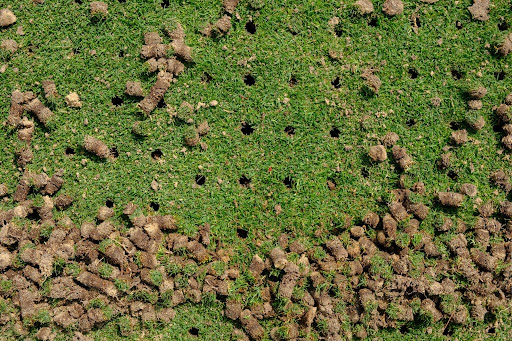
Right after aeration, scattered soil cores sit across the turf, and the lawn looks slightly disrupted. That reaction is understandable, but the disruption is needed. Although the lawn may look rough immediately after aeration, the visible soil plugs indicate that compacted soil has been opened, allowing air, water, and nutrients to reach the root zone more effectively.
In the First 48 Hours
- Soil Cores on the Surface: The machine pulls cylindrical plugs from the ground and leaves them across the lawn. Soil cores gradually break down and return soil and organic matter to the lawn.
- Seed Placement That Actually Works: Seeds dropped into open channels after aeration reach the soil directly rather than resting on a packed surface. That contact is what separates successful establishment from stalled growth.
- Faster Nutrient Absorption: Aeration improves fertilizer movement into compacted soil, helping nutrients reach the root zone more efficiently.
How Lawn Conditions Improve in the Weeks After Aeration
While aeration improves soil conditions immediately, visible changes in the lawn develop gradually over the following weeks. As roots gain better access to water, oxygen, and nutrients, cool-season grasses begin growing more actively, resulting in healthier, denser turf.
Visible Growth and Recovery (Weeks 2–4)
- New Grass Begins Establishing
When aeration is combined with overseeding, the open holes provide excellent seed-to-soil contact, allowing cool-season grasses to germinate more successfully than seed spread onto compacted ground. Under favorable moisture and temperature conditions, new seedlings typically begin emerging within two to three weeks. - Thin Areas Gradually Fill In
As existing grass becomes healthier and new seedlings establish, previously thin or worn areas begin developing greater density. Improved root growth and better access to water and nutrients help the lawn recover more evenly across the property. - Lawn Color Becomes More Consistent
Grass gradually regains a richer, more uniform green color as root systems function more efficiently. Areas that previously appeared pale or stressed often blend more naturally with the rest of the lawn as overall turf vigor improves. - Overall Turf Health Continues to Improve
By the fourth week, many homeowners notice stronger growth, improved density, and a healthier overall appearance. Continued root development throughout the growing season helps these improvements last longer.
Signs Your Lawn Responded Well After Aeration
While every lawn recovers at a different pace, there are several clear signs that aeration is improving soil health and supporting stronger turf growth. Some changes appear on the surface, while others develop below the soil over time.
Key Above-Ground Signs of Success
1. Soil Plugs Disappear on Their Own
Soil plugs scattered across the turf after aeration confirm the process worked. Within seven to fourteen days, they break apart through foot traffic and irrigation, filtering organic matter back into the aeration channels.
2. Water Soaks In Rather Than Sitting on the Surface
Puddles after rain are a clear sign of compacted soil. Once aeration opens the root zone, rainfall that previously pooled starts moving into the soil almost immediately, and it is one of the most measurable lawn aeration benefits a property can show.
3. Even Color Returns Across the Lawn
Before aeration, compacted soil limits the movement of water, air, and nutrients, often leading to uneven color and patchy growth. As soil conditions improve after aeration, grass receives more consistent access to these resources, and the lawn gradually develops a more uniform green appearance over the following weeks.
Below-Ground Improvements
1. Roots Reach Deeper Into the Soil
Turf with deeper roots feels firmer underfoot and holds through dry stretches far better than shallow-rooted grass. Compacted soil keeps roots near the surface where moisture depletes quickly. Aeration gives roots room to reach deeper layers, and that reach carries directly into lawn recovery after aeration the following season.
2. Microbial Activity Increases in the Root Zone
Oxygen introduced through aeration channels activates aerobic microorganisms that break down thatch and cycle nutrients back into the soil. Improved oxygen movement into the soil supports beneficial microbial activity, helping recycle organic matter and maintain healthier soil conditions.
When Professional Aeration Services Make the Biggest Difference
While many lawns benefit from aeration, professional service becomes especially valuable when soil conditions or recurring turf problems require more than a one-size-fits-all approach. Proper timing, equipment, and follow-up care all influence how successful aeration will be.
Severely Compacted or High-Traffic Lawns
Lawns affected by heavy foot traffic or naturally compacted soils often need commercial-grade core aeration to relieve compaction at the root zone, where healthy growth begins.
Aeration Combined with Overseeding
Professional aeration creates ideal seed-to-soil contact, and when paired with overseeding, helps fill in thin areas and improve overall turf density more effectively than overseeding alone.
Lawns with Ongoing Soil or Drainage Issues
Properties with clay soils, recurring drainage problems, or excessive compaction often require more than a single aeration treatment. A professional assessment helps determine the right combination of aeration, overseeding, fertilization, or additional soil improvements.
Teed & Brown tailors every aeration program to your lawn's soil conditions, grass type, and seasonal needs across Connecticut, New York, and New Jersey, helping deliver healthier turf and longer-lasting results.
Connect With Teed & Brown for a FREE consultation
FAQs
How long does it take to see results after lawn aeration?
Most lawns show visible improvement within two to four weeks, once roots begin accessing the newly opened soil channels and the seed starts to germinate. Full recovery, with noticeably thicker and healthier turf, typically takes a full growing season.
Why does my lawn look worse immediately after aeration?
The soil plugs left on the surface and the disrupted turf can make your lawn look rough right after the service. That appearance is temporary and resolves within one to two weeks as the plugs break down and the grass settles.
Does every lawn show the same results after aeration?
No, results vary based on soil condition, grass health, and how compacted the lawn was going in. Lawns with severe compaction or thin turf may need a full season, while healthier lawns often respond faster.
How often should lawn aeration be performed for lasting results?
Annual aeration is the standard for most properties. High-traffic or compacted lawns benefit from both spring and fall treatments to keep the turf recovering and performing through the season.
Can Teed & Brown help improve my lawn through professional aeration?
Yes. Teed & Brown tailors every aeration program to your property's specific soil conditions and lawn needs. From targeted spring treatments to full fall aeration and overseeding, the program is designed to restore turf density and support healthier growth throughout the season.
Related posts

Private Consultation for Your Property.
True lawn care is not about promises-it's about stewardship. We manage each property with intention, precision, and accountability, so you can enjoy complete confidence in who you've entrusted your landscape to.