
.svg)

How to Thicken Your Lawn for a Fuller and Healthier Look
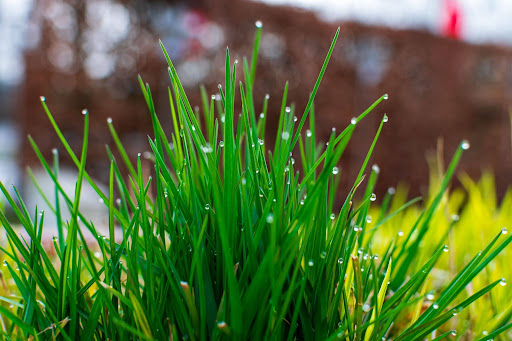
Many homeowners searching for how to fix a thin lawn assume reseeding is the answer, but lasting lawn density depends on whether the soil, sunlight, moisture, and root conditions actually support healthy growth. Simply adding more seed rarely solves the problem if the underlying cause remains. Identifying what's limiting growth is what separates a lawn that genuinely thickens from one that needs reseeding every season with the same disappointing results.
Key Takeaways
- Lawn thickness depends on soil health, root development, and consistent conditions, not just how much seed goes down.
- A thin lawn that doesn't respond to reseeding usually has a limiting factor like compaction, poor nutrition, shade, or disease that needs correcting first.
- Density develops gradually as soil conditions, root health, and growing conditions improve over time, not through a single treatment.
- Bare or weak patches that return in the same spots point to a site-specific issue rather than a general lawn problem.
- A professional lawn care program diagnoses the actual cause before reseeding, which is what makes the results hold.
What Does a Thick Lawn Mean?
A thick lawn has high grass density, meaning a large number of grass shoots growing closely together to form a dense, interlocking canopy with little to no visible soil. That density isn't just visual. It's what allows a lawn to crowd out weeds, hold moisture, and recover from foot traffic and seasonal stress. A thin lawn is missing that density, and reseeding alone won't fix it if the conditions that caused the thinning are still present.
Why Is My Lawn Thin?
Understanding why your lawn is thin is the first step in learning how to thicken your lawn successfully. Once the underlying cause is identified, the right conditions can be restored to support thicker, healthier grass over time. Common reasons a lawn becomes thin include:
- Compacted soil restricting root growth
- Poor soil fertility and nutrient imbalance
- Too much shade or limited sunlight
- Grub damage and fungal disease
- Heavy foot traffic and wear
- Inconsistent watering or poor drainage
- Grass variety unsuited to the site
- Excessive thatch buildup
Across Connecticut, New York, and New Jersey, compacted soil and shade pressure are the two most common underlying causes of persistent thinning, particularly on properties with mature tree cover or heavy clay content.
How a Lawn Naturally Becomes Thicker
A lawn becomes thicker as healthy grass produces new shoots, expands its root system, and gradually fills open spaces. Cool-season grasses increase density through tillering, while some varieties also spread by rhizomes. These natural growth processes only work well when soil conditions, moisture, sunlight, and seasonal care support healthy root development.
Strong Root Development
Healthy roots allow grass to absorb water and nutrients more efficiently, helping it recover from heat, drought, and everyday wear. As root systems strengthen, the lawn is better able to produce new growth and maintain consistent density.
New Shoot Growth
Grass becomes denser by producing additional shoots rather than simply growing taller. Over time, these new shoots fill gaps between existing plants, creating a fuller, more uniform lawn.
Consistent Growing Conditions
Steady soil moisture, adequate sunlight, balanced nutrition, and favorable soil conditions allow grass to continue producing new growth throughout the growing season. When these conditions remain consistent, turf develops fuller coverage naturally.
Seasonal Recovery
Cool-season lawns recover most effectively during the active spring and fall growing periods, when moderate temperatures encourage both root development and new shoot production. Consistent seasonal care during these periods supports long-term lawn density.
Signs Your Lawn Is Becoming Thicker and Stronger
As lawn conditions improve, you'll begin noticing several visible signs that grass is becoming thicker and healthier. These changes usually develop gradually as the lawn establishes stronger roots and more consistent growth.
- More Even and Dense Grass Coverage: Grass fills in more uniformly across the lawn, leaving fewer visible gaps or thin areas.
- Fewer Bare or Weak Spots: Areas that previously looked sparse gradually become fuller as healthy grass establishes and spreads.
- Healthier, More Consistent Green Color: Improved growing conditions help the lawn develop a richer, more even green appearance across the property.
- Improved Lawn Texture: The turf feels thicker, fuller, and more resilient underfoot as overall grass density increases.
How Can Professional Lawn Care Help Improve Lawn Thickness?
If you're wondering how to fill in thin grass but the same areas stay sparse after reseeding, the root problem is likely below the surface and requires more than additional seed.
How Teed & Brown approaches thickening a lawn for properties across Connecticut, New York, and New Jersey:
- On-site evaluation to identify whether soil, sunlight, nutrition, pests, or disease is limiting density
- Core aeration to relieve compaction and create the conditions roots need to expand
- Overseeding with a cool-season blend matched to the property's specific sun exposure and soil
- Coordinated fertilization timed to support steady, season-long growth rather than a single push
- Follow-up care to help new turf establish fully instead of thinning out again
If your lawn has stayed thin no matter how much seed goes down, schedule a consultation with Teed & Brown to find out what's actually holding it back.
FAQs
Does the type of grass affect lawn thickness?
Yes. A grass variety suited to a property's specific sun exposure and soil conditions will grow noticeably thicker than a mismatched variety, even under identical care. Selecting the right blend for the site is one of the most overlooked factors in achieving lasting density.
Can seasonal weather affect lawn thickness?
Yes. Heat, drought, and winter stress all place additional pressure on turf, and a lawn that's already thin typically shows that stress more visibly than a dense, well-rooted lawn would under the same conditions.
Why does my lawn stay thin even with regular care?
Persistent thinness despite consistent care usually points to an underlying issue, soil compaction, poor nutrition, shade, pests, or disease, that hasn't been directly addressed. Reseeding on top of an unresolved cause typically produces the same thin result.
Is it possible to restore a thin lawn without replacing it?
In most cases, yes. Thin turf can usually be thickened through soil correction, targeted overseeding, and consistent care, without needing to remove and replace the existing lawn. Full replacement is typically only necessary when the existing turf has died off entirely.
Can professional lawn care help create a thicker lawn?
Yes. Professional lawn care identifies the specific cause behind thin turf and corrects it before reseeding, rather than treating thickness as something that just needs more seed. This approach is what allows density to build and hold over time, rather than fading the following season again.

Private Consultation for Your Property.
True lawn care is not about promises-it's about stewardship. We manage each property with intention, precision, and accountability, so you can enjoy complete confidence in who you've entrusted your landscape to.