
.svg)

How Often Should You Aerate Your Lawn for Best Results?
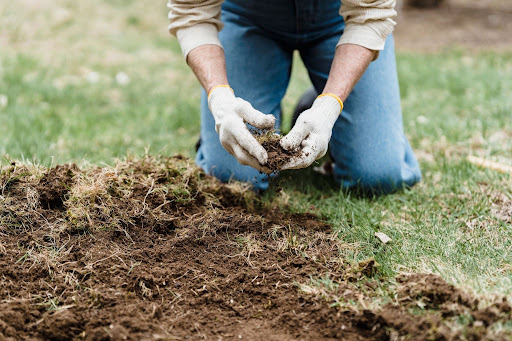
Most lawns benefit from aeration once a year, usually in the fall between late August and October. However, some lawns need aeration more often, especially if the soil is heavily compacted, the lawn gets a lot of foot traffic, or water doesn't soak into the ground easily.
Knowing how frequently to aerate your lawn depends on its condition, not just the calendar.
This guide explains how often different lawns need aeration, the best time of year to do it, and the signs your lawn may need it more frequently.
Key Takeaways
- Most cool-season lawns benefit from core aeration once a year, with fall offering the best conditions for recovery.
- Lawns with heavy foot traffic, clay soils, poor drainage, or severe compaction may benefit from additional spring spot aeration alongside the primary fall service.
- Aeration frequency should be based on soil compaction, turf density, drainage, and overall lawn condition rather than a fixed calendar.
- Hard soil, standing water, thinning turf, and slow recovery are common signs that a lawn may need aeration.
- A professional lawn evaluation helps determine the right aeration schedule and whether services such as overseeding or fertilization should be performed at the same time for the best results.
How Often Most Lawns Need Aeration
Most cool-season lawns in Connecticut, New York, and Northern New Jersey benefit from core aeration once a year, with fall being the preferred season. Cooler temperatures, active root growth, and lower weed pressure allow the lawn to recover quickly while creating ideal conditions for overseeding.
However, not every lawn follows the same aeration schedule. An on-site lawn assessment of soil compaction, drainage, and overall turf health helps determine whether annual aeration is sufficient or whether additional treatment is needed.
- Most Lawns Benefit from Annual Core Aeration
Most residential lawns benefit from annual core aeration, typically performed in the fall. This yearly service helps improve root-zone conditions and prepares cool-season lawns for successful overseeding.
- Some Lawns Benefit from More Frequent Aeration
Some lawns naturally become compacted faster than others. Properties with heavy clay soil, frequent foot traffic, poor drainage, or recurring thinning may benefit from additional aeration alongside the annual fall service.
At Teed & Brown, spring aeration is typically limited to stressed or compacted sections, while fall remains the primary full-property aeration season.
- Soil Conditions Matter More Than Grass Type
For most cool-season lawns in Connecticut, New York, and Northern New Jersey, aeration recommendations are based primarily on soil condition rather than grass species. Because these grasses share similar growing patterns, soil compaction, drainage, and lawn use have a much greater influence on aeration frequency than the grass species itself.
What Lawn Aeration Does for Your Soil and Grass
Lawn aeration relieves soil compaction by removing small plugs of soil from the lawn. These openings allow air, water, and nutrients to reach the root zone more easily, creating better conditions for root growth.
Over time, normal foot traffic and natural soil settling compress the soil, especially in clay-heavy lawns. As compaction increases, grass roots struggle to expand, water begins running off instead of soaking in, and fertilizer becomes less effective because it cannot easily reach the root system.
Core aeration helps reverse these problems by:
- Reducing soil compaction so roots have more space to grow.
- Improving water infiltration, reducing runoff, and standing water after rainfall.
- Helping fertilizer move more effectively into the root zone.
- Encouraging deeper root systems, making cool-season turf more resilient during summer heat and dry periods.
- Improving seed-to-soil contact when paired with overseeding, leading to better germination and thicker turf.
Best Time of Year for Lawn Aeration
The best time to aerate depends on your grass type, region, and growing season. Aerating while the grass is actively growing allows roots to recover faster and makes treatments like overseeding more effective.
- Cool-Season Grass Timing
For lawns with Kentucky bluegrass, perennial ryegrass, and fine fescues, the best time to aerate is late August through October, when daytime temperatures typically range between 60°F and 75°F and soil temperatures remain above 50°F. This timing supports root development before winter and provides the best opportunity for overseeding.
- Warm-Season Grasses
Warm-season grasses such as Bermudagrass, Zoysiagrass, St. Augustinegrass, and Centipedegrass are uncommon in Connecticut, New York, and New Jersey. Because Teed & Brown primarily services cool-season lawns, aeration recommendations focus on cool-season turf.
- Recovery After Aeration
Most healthy lawns recover within 2–4 weeks, depending on soil moisture, temperature, and grass growth. Aeration is often paired with overseeding and fertilization in the fall to maximize seed-to-soil contact and encourage stronger root development.
Signs Your Lawn May Need Aeration More Frequently
If your lawn repeatedly shows the following signs, it may need scheduled aeration more often:
- Soil feels hard or compacted: If it's difficult to push a screwdriver or garden probe into the soil, compaction is limiting root growth and air movement.
- Water pools or runs off the surface: Slow water absorption often indicates compacted soil that prevents moisture from reaching the root zone.
- Grass looks thin or uneven: Areas with reduced turf density, poor growth, or bare patches may indicate restricted root development caused by compaction.
- The lawn struggles after seasonal stress: Grass that recovers slowly from summer heat, heavy foot traffic, drought, or winter damage may benefit from more frequent aeration.
- Excessive Thatch Buildup: A thick thatch layer can restrict water, air, and nutrients from reaching the soil, making aeration more beneficial for long-term lawn health.
When Professional Lawn Aeration Services Are Recommended
Consider lawn aeration services when annual aeration is no longer enough to improve turf health.
Teed & Brown recommends an on-site lawn assessment if:
- Soil remains hard or compacted despite previous aeration.
- Water consistently pools or runs off instead of soaking into the soil.
- High-traffic areas become thin or patchy every year.
- The lawn struggles to recover after summer heat, drought, or winter stress.
- Overseeding, fertilization, and aeration need to be timed together for better establishment.
Schedule a consultation with Teed & Brown to determine the right aeration schedule for your lawn. During scheduled service visits, our specialists evaluate soil compaction, turf density, traffic patterns, and overall lawn condition to recommend the right aeration schedule.
FAQs
Can aerating too often damage a lawn?
Yes. Aerating more often than necessary provides little additional benefit and may temporarily stress healthy turf. Most lawns in Connecticut, New York, and New Jersey benefit from annual fall aeration, while heavily compacted or high-traffic lawns may require additional spring spot aeration.
Does aeration improve lawn health immediately?
Aeration improves soil conditions immediately, but visible lawn improvement takes time. Root growth, turf density, and overall lawn health typically improve over the following weeks as water, oxygen, and nutrients move more easily through the soil.
Is lawn aeration necessary for new lawns?
Not usually. Newly established lawns generally do not require aeration until the soil becomes compacted. Aeration is more beneficial for established lawns where years of foot traffic and natural settling have restricted root systems.
Can professional lawn care determine the right aeration schedule?
Yes. The ideal lawn aeration schedule depends on soil compaction, traffic levels, turf density, and overall lawn condition. A professional evaluation helps determine whether annual aeration is sufficient or if additional treatment is needed.
Why choose Teed & Brown for professional lawn aeration?
Teed & Brown develops aeration programs based on your property's soil conditions, turf health, and seasonal needs. Our lawn care specialists recommend the right timing and combine aeration with services such as fertilization, weed control, and overseeding when appropriate to support healthier, denser cool-season turf.
Related posts
Private Consultation for Your Property.
True lawn care is not about promises-it's about stewardship. We manage each property with intention, precision, and accountability, so you can enjoy complete confidence in who you've entrusted your landscape to.