
.svg)

Dead Grass vs. Dormant Grass: How to Tell the Difference
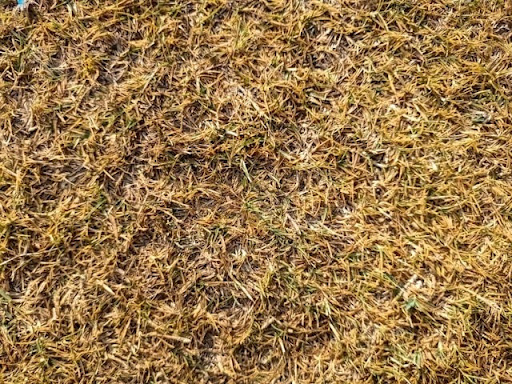
The main difference between dead grass and dormant grass is the root system. Dormant grass keeps its roots intact and will green up again once conditions improve. Dead grass has no living roots left, and it will not come back on its own, no matter how much rain falls or how many weeks pass.
Brown grass is deceptive. Cool-season turf across the tri-state area enters dormancy as a physiological stress response to summer heat or drought, and to the eye, it is nearly indistinguishable from grass that has permanently died. That distinction determines whether your lawn needs time or needs work.
Key Takeaways
- Dead grass and dormant grass look nearly identical, but the tug test tells them apart fast.
- Dormancy is a survival response with full recovery potential; dead grass has none left.
- Color, texture, and growth pattern reveal early signs, and the crown confirms whether recovery is still possible.
- Dead patches need proper seed selection, soil correction, and timing to come back, they won't fix themselves.
- Dormant grass revives on its own once temperature and moisture conditions shift.
- Persistent brown areas with zero new growth after watering mean it's time for a professional assessment.
Quick Comparison: Dead Grass vs. Dormant Grass
What Is Dead Grass?
Dead grass is turf where the crown and root system have permanently failed. The crown, the critical junction at soil level where roots and shoots meet, is what stores energy and generates new tissue. Once it deteriorates beyond recovery, no amount of water or improved weather will bring the grass back.
What Kills Grass at the Root Level
- Grub Damage: White grub larvae feed on grass roots below the soil surface, leaving turf with no anchor point and nowhere to draw water or nutrients from.
- Fungal Disease: Pathogens like brown patch destroy crown and root tissue, creating dead zones that grow outward until the infection is addressed.
- Prolonged Drought: Cool-season turf can only sustain dormancy for so long. Under extended drought, dormancy generally lasts about four to six weeks before the risk of permanent damage increases. Without water, shallow or already stressed root systems can cross from dormancy into permanent death.
- Pet Urine: High nitrogen concentration in dog urine burns the crown at the contact point, killing the grass at the center, while the diluted outer ring often greens up instead.
- Overwatering: Too much water drowns roots by cutting off oxygen, which accelerates rot and opens the door to fungal damage.
- Soil Compaction: Roots in compacted soil cannot access air, water, or nutrients. Grass thins gradually until the plant has nothing left to sustain itself.
What Is Dormant Grass?
Dormant grass is a lawn that has stopped growing and turned brown because heat, drought, or cold has pushed it into a survival state. The blades die back, but the crown and roots stay alive below the soil surface, waiting for conditions to improve.
Signs of Dormant Grass
- Uniform Browning: The entire lawn turns tan or golden-brown evenly. Irregular dead patches point toward disease or pest damage, not dormancy.
- Firm Crown at the Soil Line: Press your fingers just below the base of the blades. A dormant plant has a pale but firm crown, confirming living tissue is still present.
- Roots That Resist Pulling: Grip a handful of brown grass and tug. Dormant roots stay anchored in the soil. That resistance is the clearest physical confirmation that the plant is still alive.
- Slow Footprint Recovery: Step on the lawn and watch. Dormant grass responds sluggishly but does bounce back. Grass with no living tissue left stays flat and compressed.
- No Growth Despite Watering: A dormant lawn may not green up even when it receives water, particularly during peak summer heat. The plant is conserving energy, not responding to hydration the way it would during active growth.
- Pale Green at the Crown Base: Look closely where the blades meet the soil. A faint green or whitish tint at the crown base confirms the plant is dormant, not dead.
How to Tell if Grass Is Dead or Dormant
The reason behind brown grass matters more than the color. A uniform tan across cool-season turf in July is almost always dormancy. An expanding gray-brown patch in an otherwise green lawn is something else. These five checks tell the difference before you decide to reseed:
1. Tug Test
- Dormant: Grab a handful of brown grass and pull gently. Resistance means the roots are still intact.
- Dead: Lifts out cleanly with no resistance. The roots have deteriorated.
2. Crown Check
- Dormant: Part the blades at the base. A firm, pale crown means living tissue is still present.
- Dead: A dark, hollow, or mushy crown means the plant's regenerative tissue is gone for good.
3. Browning Pattern
- Dormant: Spreads evenly across the lawn, with no skipped sections or distinct shapes.
- Dead: Shows up in circular or irregular patches, often with weeds moving into the gaps.
4. Season & Weather
- Dormant: Coincides with weeks of dry, hot weather, exactly what triggers dormancy.
- Dead: No clear stress trigger, or no green-up even after conditions improved.
5. Response to Watering
- Dormant: Consistent watering for one to two weeks brings faint green at the crown base, a reliable early sign of life.
- Dead: Stays dry and brittle no matter how consistently the area is watered.
How to Fix Dead Grass
Once a dead grass vs. dormant situation is confirmed, waiting is no longer the answer. Dead patches need the old material cleared, the soil corrected, and new seed established in the right sequence, and getting that sequence wrong is the most common reason reseeding attempts fail.
- Clearing the dead material fully matters more than people expect. Leftover thatch and debris block new seed from reaching the soil at all.
- Compacted soil underneath is one of the leading reasons patches go bare in the first place, since roots can't establish until that's corrected.
- Seed selection has to match what's already growing on the property. Most lawns across Connecticut, New York, and New Jersey carry a specific cool-season blend, and getting that match right takes a trained eye.
- Once seed is down, the right starter fertilizer and a consistent watering schedule through germination determine whether the repair actually holds. Your Teed & Brown technician sets this schedule before leaving, so nothing is left to guesswork.
Please note that fall is the most reliable window to fix dead grass in cool-season lawns. Soil stays warm, nights cool down, and moisture holds more consistently. Spring repairs are possible, but higher weed pressure makes them a harder fix to get right.
- Deep, consistent watering is what actually breaks dormancy. Shallow, frequent watering doesn't move the needle.
- Your lawn care provider calibrates the right weekly target, depth, and timing to your property's specific conditions rather than applying a generic schedule.
- Compacted soil can block recovery even when watering is right, since dense soil keeps water and oxygen from reaching the root zone. Core aeration reopens that pathway, but timing it correctly, never during active heat stress, takes professional judgment.
- Fertilizer timing matters just as much. Feeding dormant turf adds stress instead of speeding recovery, while a properly timed application once green growth appears supports the root development that pushes a lawn back to full color.
Cool-season grasses typically break dormancy within two to four weeks of consistent, correctly timed watering once temperatures moderate. Fall dormancy typically holds through winter, as cool-season turf growth slows significantly once overnight temperatures consistently drop below 50°F.
Most cases resolve with consistent watering and time. If there's no improvement after two to three weeks, or the damage doesn't match typical dormancy, it's time for a professional evaluation.
- No Green-Up After Deep Watering: No sign of life after 1 to 2 inches of water weekly for two to three weeks usually means dead, not dormant.
- Circular or Spreading Patches: Uniform browning points to dormancy. Spreading or irregular shapes point to disease or pests, which need diagnosis, not just water.
- Grub or Insect Damage: Turf that lifts with little resistance signals grubs have already destroyed the roots beneath.
- Severe Soil Compaction: Soil too dense for water and nutrients to penetrate won't recover through dormancy alone. Professional aeration is the fix.
- Snow Mold After Winter: Winter also produces its own category of damage worth distinguishing from dormancy. Grey or white matted patches after heavy snowpack signal snow mold, which spreads into healthy turf if left alone.
Teed & Brown works with homeowners across Connecticut, New York, and New Jersey who aren't willing to guess when their lawn won't recover. If the signs point to something beyond dormancy, our team identifies the exact cause and determines which course of action should be the ideal response. Schedule a call with us today for an on-site evaluation.
FAQs
How can I quickly tell if my lawn is dormant or dead?
The fastest check is the tug test: dormant grass resists pulling because its roots are still intact, while dead grass lifts out easily with little to no resistance. Root color confirms it further: white or tan means living tissue, dry or dark means it's gone.
What are the most common reasons grass goes dormant?
Cool-season and warm-season grasses both go dormant, though the triggers differ. Cool-season varieties slow down during summer heat, while warm-season grasses go dormant when temperatures drop in fall and winter.
Can a lawn have both dead and dormant areas at the same time?
Yes, and it happens more often than homeowners expect. Stressed or shaded sections may not recover from dormancy as well as the rest of the lawn, leaving you with a mix of both.
When should I worry that brown grass is actually dead?
If brown areas show no signs of green recovery after consistent rain or cooler temperatures return, that's when you need to pay attention. Dormant grass typically bounces back within two to four weeks once conditions improve.
Why does grass turn brown even when it is not dead?
Brown lawn causes range from heat and drought stress to compacted soil, fungal disease, and insect damage, all of which can trigger browning without actually killing the turf.
Can dead grass come back to life?
Dead grass cannot regenerate on its own, but that doesn't mean starting over completely. The difference between dead grass and dormant turf determines your next step. Dormant areas recover with time and proper care, while dead patches need reseeding to restore a full, healthy lawn.
Related posts
Private Consultation for Your Property.
True lawn care is not about promises-it's about stewardship. We manage each property with intention, precision, and accountability, so you can enjoy complete confidence in who you've entrusted your landscape to.