
.svg)

Winterize Your Irrigation System: Step-by-Step Guide to Prevent Freeze Damage
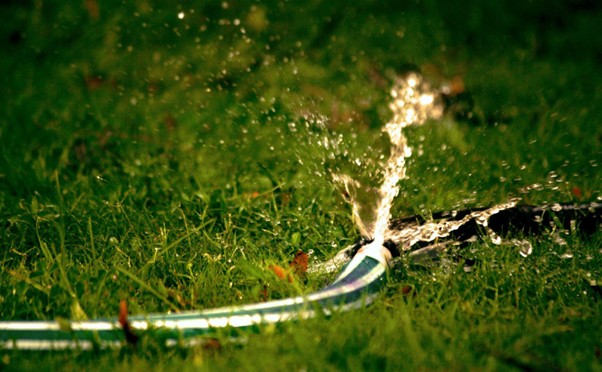
To winterize your irrigation system properly, you need to remove trapped water before temperatures drop below freezing. Even small amounts of water left inside pipes, valves, or sprinkler heads can freeze, expand, and cause cracked components, underground leaks, and expensive spring repairs.
Proper irrigation system winterization helps protect pipes, backflow preventers, and sprinkler zones from freeze damage while extending overall system lifespan. Whether your setup uses manual drainage or a compressed air blowout, timely seasonal irrigation maintenance helps keep your system protected through winter.
This guide explains how to winterize your irrigation system step by step, the best timing before the first freeze, common winterization mistakes to avoid, and the benefits of professional sprinkler winterization for long-term protection.
Key Takeaways
- Winterizing your irrigation system helps protect pipes, valves, and sprinkler heads from freezing damage.
- The right winterization method depends on your system design and local winter climate.
- Compressed air blowouts must use proper PSI levels and zone sequencing to avoid system damage.
- Seasonal irrigation maintenance reduces repair costs and extends irrigation system lifespan.
- Exposed components like backflow preventers and valves require insulation during winter.
- Professional irrigation winterization helps ensure every zone is fully cleared before freezing temperatures arrive.
Step-by-Step Winterization Process For Homeowners
Step 1: Turning Off the Water Supply And Isolate the Irrigation System
The first step to winterize your irrigation system is shutting off the main water supply connected to the irrigation line. This prevents additional water from entering the system during the winterization process.
After the supply is shut off, isolate the irrigation system from the home or commercial plumbing system. Many systems include a dedicated shutoff valve specifically for seasonal irrigation maintenance. Turning off the controller or setting it to rain mode also helps prevent accidental activation during freezing conditions.
This early step is critical because even small amounts of pressurized water left inside the system can freeze and expand once temperatures fall below freezing.
Step 2: Draining the System
Different irrigation systems use different drainage methods depending on their design. The correct irrigation system winterization approach depends on whether your system supports manual drainage, automatic drainage, or requires compressed air removal.
- Manual drain systems use drain valves positioned at low points throughout the piping network. These valves must be opened completely to allow trapped water to escape.
- Automatic drain systems release water automatically once pressure drops below a certain threshold. However, these systems may still leave residual water in low areas or valves if slopes and grading create water pockets.
- Systems installed in colder climates typically require additional winterization steps beyond simple drainage to fully protect irrigation systems from freezing.
Step 3: Blowout Method to Correct PSI Levels, Zone Sequencing, and Duration
The blowout method uses compressed air to remove remaining water from irrigation lines and sprinkler heads. This method is commonly recommended in regions with prolonged freezing temperatures.
Using proper PSI levels is extremely important during irrigation system winterization. Excessive pressure can crack fittings, damage sprinkler heads, or weaken pipe joints.
- Residential systems generally require lower PSI than commercial systems, and different pipe materials have different pressure tolerances.
- The goal is not prolonged air exposure. The goal is complete water removal without overheating internal components through excessive friction.
Zone Sequencing and System Inspection
Proper zone sequencing is critical during irrigation system winterization. Clearing zones incorrectly can leave trapped water inside the system, increasing the risk of freeze damage.
- Clear one zone at a time to maintain proper airflow and pressure.
- Avoid running multiple zones simultaneously, as this reduces air efficiency and may leave water trapped in pipes.
- Run compressed air only until visible water mist stops coming from the sprinkler heads.
- Inspect each zone after the blowout process is complete.
- Check that sprinkler heads no longer produce heavy mist, sputtering, or visible water spray.
- Listen for irregular airflow sounds, which may indicate trapped moisture inside valves or underground lines.
- Perform a second pass on low-lying zones if water remains trapped in certain sections.
Insulating Exposed Pipes, Valves, and Backflow Preventers
Even after draining the system, exposed irrigation components can still freeze during winter. Proper insulation helps reduce freeze exposure and protects critical hardware from damage.
Components that should be insulated include:
- Backflow preventers
- Above-ground valves
- Exposed pipes
- Manifolds and fittings
Common insulation materials include:
- Foam insulation covers
- Insulated pouches
- Weather-resistant wraps
- Protective valve covers
Choosing the Right Winterization Method for Your System and Climate

Manual or Automatic Drainage
Manual and automatic drainage systems can work well in regions with mild winters and limited freeze risk. If temperatures rarely remain below freezing for extended periods, draining water from the lines may provide adequate protection.
However, drainage-only systems rely heavily on proper grading and pipe layout. Water trapped in low sections can still freeze even after drainage valves are opened.
Property owners should always consider local winter conditions before relying solely on passive drainage methods.
Blowout Method
The blowout method becomes necessary in colder climates where soil freezing and prolonged subfreezing temperatures are common.
Compressed air removal is especially important for systems with:
- Long underground pipe runs
- Multiple irrigation zones
- Complex valve layouts
- Elevation changes
- Older piping systems
In these conditions, professional sprinkler winterization often provides more reliable protection because technicians understand safe PSI limits and proper sequencing procedures.
Matching the Method to System Size and Zone Complexity
Larger irrigation systems generally require more advanced winterization procedures. Commercial properties, HOA landscapes, athletic fields, and large residential systems often contain extensive piping networks where water can remain trapped.
Smaller residential systems with fewer zones may winterize more easily, but system complexity matters more than property size alone.
The more valves, elevation changes, and branch lines a system contains, the more important complete irrigation system winterization becomes.
Risk Comparison of Each Method in Cold vs. Mild Climates
In mild climates, manual drainage may provide reasonable seasonal irrigation maintenance protection with relatively low freeze risk.
In colder climates, relying only on drainage significantly increases the likelihood of:
- Frozen pipes
- Cracked fittings
- Split sprinkler heads
- Valve damage
- Underground leaks
The blowout method provides the highest level of freeze protection when temperatures regularly drop below freezing for extended periods.
When to Winterize Your Irrigation System
Monitor Temperatures
The best time to winterize your irrigation system is before the first hard freeze arrives. Once temperatures fall below freezing, any remaining water inside the system can begin expanding immediately.
Ground temperatures often stay warmer than air temperatures temporarily, but exposed valves and backflow preventers freeze much faster than buried pipes. Waiting too long increases the risk of early freeze damage.
Early Scheduling
Most irrigation professionals recommend scheduling irrigation system winterization several weeks before consistent freezing weather begins.
Early scheduling helps avoid:
- Last-minute appointment shortages
- Sudden temperature drops
- Incomplete preparation
- Emergency repairs during freezing conditions
Look Out for Warning Signs
Several warning signs indicate it may be time to begin winterization:
- Overnight frost formation
- Sudden cold fronts
- Extended low-temperature forecasts
- Rapid seasonal temperature swings
- Declining overnight soil temperatures
Climate Conditions
Climate conditions vary significantly by region. Northern climates often require earlier irrigation system winterization schedules, while milder southern climates may allow later preparation.
However, unpredictable weather patterns can create unexpected freezing conditions even in moderate climates. Monitoring long-range forecasts helps property owners determine the safest winterization timeline.
Common Winterization Mistakes
Over-Pressurizing During a Blowout and Resulting Pipe Damage
One of the most common winterization mistakes is using excessive air pressure during the blowout process.
Too much pressure can:
- Crack PVC pipes
- Damage fittings
- Break sprinkler heads
- Rupture valves
- Shorten system lifespan
Using correct PSI levels is critical when learning how to winterize your irrigation system properly.
Incomplete Drainage Due to Skipped Zones or Poor Sequencing
Skipping zones or clearing them in the wrong order often leaves trapped water inside the system.
Even small pockets of remaining water can freeze and expand, creating hidden underground damage that may not become visible until spring startup.
Careful sequencing and full zone inspection are essential parts of proper irrigation system winterization.
Running Compressed Air too Long Causes Heat/Friction Issues
Long blowout cycles create unnecessary friction and heat inside the system. This can damage seals, bearings, and internal sprinkler components.
Compressed air should only run long enough to remove visible water from each zone.
Failing to Shut Down Controllers or Leaving Automation Active
Leaving irrigation controllers active during winter can accidentally trigger watering cycles during freezing conditions.
Unexpected activation introduces new water into winterized pipes, increasing freeze risk significantly. Controllers should be powered down or placed in rain/off mode after winterization is complete.
Spring Reactivation Safely Restarting Your Irrigation System
Introduce Gradual Pressurization
When spring arrives, irrigation systems should be reactivated slowly. Sudden pressurization can stress pipes and fittings that contracted during winter temperatures. Water should be introduced gradually to reduce pressure shock and prevent unexpected pipe failure.
Inspect for Leaks, Cracks, and Pressure Inconsistencies
Spring startup is the ideal time to inspect the entire irrigation system for the following:
- Pipe cracks
- Valve leaks
- Broken sprinkler heads
- Pressure irregularities
- Uneven water distribution
Early detection helps prevent water waste and landscape damage during the growing season.
Test Zones and Recalibrate Sprinkler Performance
Each irrigation zone should be tested individually after reactivation. Sprinkler heads may require alignment adjustments, nozzle cleaning, or recalibration to restore proper coverage.
Seasonal irrigation maintenance ensures the system operates efficiently throughout spring and summer.
Identify Hidden Damage After Winter
Some freeze-related damage may not appear immediately during startup. Slow leaks, underground cracks, and weakened fittings sometimes emerge gradually after pressure returns.
Monitoring system performance during the first few weeks of spring operation helps identify hidden winter damage early.
Benefits of Professional Sprinkler Winterization
Professional sprinkler winterization helps reduce the risk of trapped water, freeze damage, and costly spring repairs. Experienced technicians understand proper PSI levels, zone sequencing, and how to fully clear complex irrigation systems before temperatures drop.
The benefits of professional sprinkler winterization include:
- More complete system drainage
- Safer compressed air handling
- Early detection of worn or leaking components
- Reduced risk of cracked pipes and valves
- Better long-term irrigation performance
Teed & Brown provides irrigation installation, maintenance, controller management, and seasonal winterization services tailored to soil conditions, plant material, sun exposure, and property layout. Their certified irrigation specialists help protect residential and commercial systems through proactive seasonal irrigation maintenance.
Schedule Your Property Consultation Today!
FAQs
Can I winterize my irrigation system myself?
Yes, some homeowners can perform basic irrigation system winterization themselves, especially if the system uses manual or automatic drainage. However, systems requiring compressed air blowouts can become damaged if incorrect PSI levels or sequencing methods are used. Larger or more complex systems often benefit from professional sprinkler winterization.
Is professional irrigation winterization necessary for all properties?
Not always. Smaller systems in mild climates may winterize successfully without professional assistance. However, properties located in colder regions or systems with multiple zones, elevation changes, or commercial layouts often benefit from expert seasonal irrigation maintenance to reduce freeze risk.
What happens if an irrigation system isn’t properly winterized?
Failure to winterize your irrigation system properly can lead to frozen pipes, cracked valves, broken sprinkler heads, underground leaks, and expensive spring repairs. Water expands when frozen, placing significant stress on irrigation components.
When should I schedule irrigation winterization?
Irrigation system winterization should typically be scheduled before the first hard freeze of the season. Many property owners begin scheduling service several weeks before overnight temperatures consistently approach freezing.
At what temperature should I winterize my irrigation system?
Most irrigation professionals recommend winterization before temperatures fall below 32°F (0°C). Systems become especially vulnerable once overnight freezing conditions become frequent or prolonged.

Private Consultation for Your Property.
True lawn care is not about promises-it's about stewardship. We manage each property with intention, precision, and accountability, so you can enjoy complete confidence in who you've entrusted your landscape to.