.svg)

Weed Control Tips for Maintaining a Healthy, Weed-Free Lawn

A healthy lawn is one of the strongest defenses against weeds. The best way to control weeds is to maintain a dense, healthy lawn that naturally prevents weed growth. While treatments can eliminate existing weeds, long-term weed control depends on strong turf, healthy soil, proper watering, and consistent lawn care.
Most weeds appear when grass becomes thin or stressed due to compaction, poor drainage, nutrient deficiencies, or improper maintenance. By improving overall turf health and addressing these underlying issues, homeowners can reduce weed pressure and maintain a healthier, weed-free lawn year-round.
Key Takeaways
- The most effective weed control strategy is maintaining dense, healthy turf that naturally limits the space, sunlight, water, and nutrients available to weeds.
- Common lawn issues such as soil compaction, poor drainage, thin grass coverage, and nutrient deficiencies often create ideal conditions for weed growth.
- Core aeration, overseeding, and proper fertilization strengthen root systems, improve turf density, and help lawns outcompete invasive weeds.
- Seasonal weed control treatments are most effective when combined with year-round lawn care practices that address underlying turf health problems.
- Root-zone stress, grub damage, excess thatch, and limited sunlight can weaken grass and increase the likelihood of weed infestations.
- Early identification and treatment of common weeds such as crabgrass, clover, chickweed, and dandelions can prevent widespread lawn damage.
6 Tips to Control Weed in Your Lawn
The best lawn weed control tips include reducing current weed pressure while improving the lawn conditions that keep weeds from returning. A dense lawn naturally gives weeds fewer places to grow.
Tip #1: Build Dense Turf Before Weeds Spread
Dense turf is the foundation of weed prevention for lawns. When grass covers the soil evenly, weed seeds receive less sunlight and have less open space to establish.
Thin turf creates the opposite condition. It exposes soil, weakens competition, and gives weeds like crabgrass, clover, and dandelion room to spread. For lawns with repeated weed issues, turf density should be treated as a primary goal, not a secondary benefit.
A turf-building plan may include professional fertilization, aeration, overseeding, and scheduled lawn treatments based on the lawn’s condition.
Tip #2: Improve Soil Conditions for Stronger Grass
Healthy soil supports stronger turf roots. When soil is compacted, nutrient-deficient, or out of balance, grass struggles to grow thick enough to compete with weeds.
Poor soil conditions often show up through weed patterns. Clovers may appear where fertility is low. Plantain and knotweed often appear where soil is compacted. Ground ivy and chickweed may appear in damp or shaded areas.
Tip #3: Use Aeration Where Soil Is Compacted
Aeration helps lawns with compacted soil, weak rooting, and poor turf recovery. Compacted soil limits air, water, and nutrient movement, which weakens grass and favors weeds that tolerate stressed conditions.
Aeration can be useful in areas with repeated foot traffic, hard soil, thinning grass, or recurring broadleaf weeds. It supports better root access and helps the lawn recover with stronger growth.
Tip #4: Fill Thin Areas With Overseeding
Overseeding helps reduce weed pressure by adding new grass growth to thin or patchy areas. This limits the open soil that weeds need to establish.
Thin areas may develop after heat stress, disease, grub damage, heavy weed pressure, or poor seasonal recovery. If these gaps remain open, new weeds can quickly move in.
Tip #5: Support Turf With Professional Fertilization
Fertilization helps grass grow thicker, recover faster, and compete more effectively against weeds. A lawn with poor fertility often becomes thin, pale, and slow to recover.
Different weeds can signal different fertility concerns. White clover is often associated with low nitrogen conditions, while crabgrass often appears where turf is thin and exposed. Professional fertilization should be timed around the lawn’s seasonal needs.
Use Teed & Brown's professional lawn care services that include customized fertilization treatments to strengthen turf, improve lawn density, and help create a healthier lawn that naturally resists weed growth throughout the season.
Tip #6: Correct Moisture Stress and Drainage Problems
Moisture imbalance can increase weed growth. Wet or poorly drained areas often support yellow nutsedge, ground ivy, moss, and chickweed. Dry, stressed, or exposed areas can create space for crabgrass and other opportunistic weeds.
A professional lawn evaluation should look at where water collects, where turf dries too quickly, and where shade keeps soil damp. These patterns often explain why the same weeds return in the same places.
Seasonal Weed Control Treatments for Lawns
Lawns need seasonal weed control because weed pressure changes throughout the year. Treatment during spring should focus on prevention, summer on active weed pressure, and fall on turf recovery.
Spring Weed Control
Spring is the key season for preventing annual weeds from establishing. Crabgrass is the main concern because it begins germinating when soil conditions become favorable, often when the moist upper soil reaches roughly 55°F to 58°F for several days.
Spring lawn care should focus on:
- Preventing annual grassy weeds before they spread
- Reducing early broadleaf weed activity
- Supporting turf recovery after winter
- Evaluating thin, compacted, or wet areas
- Preparing the lawn before summer stress begins
Summer Weed Control
Summer is when weed pressure becomes most visible. Heat, humidity, drought stress, excess rain, and weak turf density can all give weeds a stronger advantage. Different weeds survive in different areas, such as:
- Crabgrass often spreads aggressively in sunny, exposed areas.
- Yellow nutsedge may grow quickly in wet or compacted soil.
- Clover, ground ivy, and other broadleaf weeds may expand where turf is thin, shaded, or underfed.
Fall Weed Control and Lawn Recovery
Fall is one of the most important seasons for long-term weed reduction. Cool-season grass grows more actively in cooler weather, making fall a strong period for root development, turf repair, and density improvement.
Fall lawn care may include:
- aeration
- overseeding
- fertilization
Winter Planning for Weed Prevention
Winter is the right time to review recurring weed patterns. If the same weeds return every year, the lawn likely has an underlying condition that needs attention.
Recurring patterns may show:
- Crabgrass in sunny, thin, exposed areas
- Ground ivy in shaded or damp sections
- Yellow nutsedge in wet or compacted soil
- Plantain or knotweed in compacted areas
- Clover in thin or low-fertility turf
Common Lawn Weeds That Affect Turf Health
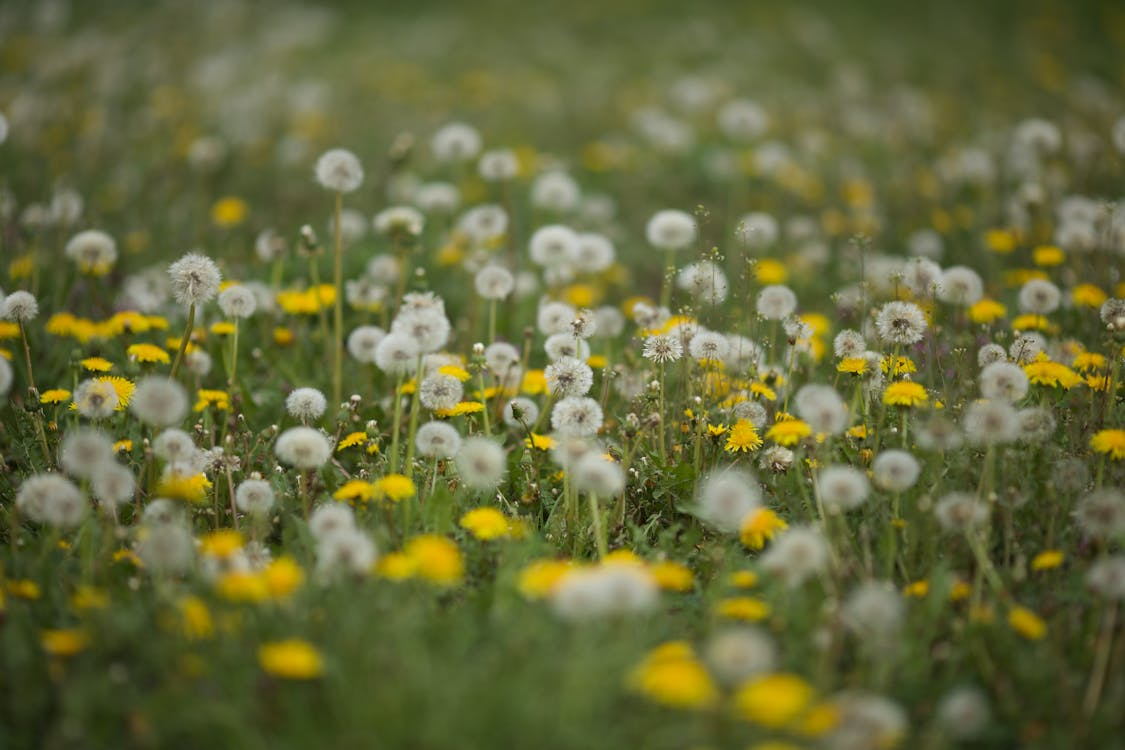
Common lawn weeds compete with grass for space, water, nutrients, and sunlight. They also reveal lawn conditions such as thin turf, compaction, poor fertility, excess moisture, or shade.
- Crabgrass: A warm-season annual grassy weed that spreads in thin, sunny, exposed turf, especially near edges, driveways, sidewalks, and bare patches. It grows from seed each year, crowds out desirable grass in summer, and leaves weak areas behind after the season.
- Dandelion: A broadleaf perennial with a deep taproot, yellow flowers, and windborne seeds. It competes for water and nutrients and often appears in thin, compacted, or stressed turf where grass coverage is weak.
- White Clover: A low-growing broadleaf perennial that forms spreading patches in thin or underfed turf. It is often linked to low fertility, compacted soil, and weak grass density.
- Ground Ivy or Creeping Charlie: A spreading broadleaf perennial that forms dense mats in shaded, damp, or weakened turf. It can crowd out grass and often returns when shade and moisture problems remain.
- Yellow Nutsedge: A grass-like sedge that grows faster than turf and often appears brighter green. It commonly signals wet, compacted, or poorly drained soil and needs accurate identification because it is not a true grass or broadleaf weed.
- Chickweed: A low-growing broadleaf weed that spreads in moist, shaded, or thin turf. Its presence often indicates low lawn density, excess moisture, limited sunlight, or poor airflow.
- Broadleaf Plantain and Knotweed: Compact-soil weeds that often appear along walkways, driveway edges, high-use areas, and hard soil patches. Their repeated growth usually signals poor root development and the need for soil improvement.
Lawn Conditions That Increase Weed Growth
Weeds increase when the grass loses strength. Each lawn condition below creates a specific advantage for weeds.
Thin Turf and Bare Soil
Thin turf gives weeds direct access to sunlight, soil, and space. Bare areas are especially vulnerable because weed seeds can establish before grass fills in.
Thin areas may result from heat stress, grub damage, disease, poor soil, heavy use, or weak recovery after previous weed pressure.
Solution: Rebuild turf density through overseeding and fertilization to close those openings.
Soil Compaction
Compacted soil limits root growth and reduces the flow of air, water, and nutrients. Turf becomes weaker, while weeds that tolerate hard soil become more competitive. Compaction often appears in high-use areas, near walkways, along driveway edges, or in sections where water does not move well through the soil.
Solution: Aeration can help improve the root zone and support stronger turf growth.
Poor Fertility and pH Imbalance
Poor fertility weakens turf and gives weeds more room to compete. Grass may appear pale, thin, slow-growing, or slow to recover after stress.
Soil pH also affects nutrient availability. When pH is outside the preferred range for turfgrass, the lawn may not use nutrients efficiently even when treatments are applied.
Solution: Soil-based recommendations help make fertilization more effective and support long-term weed reduction.
Excess Moisture and Poor Drainage
Wet soil can weaken turf and favor moisture-loving weeds. Yellow nutsedge, ground ivy, moss, and chickweed often appear where the soil stays damp.
Drainage problems may come from compaction, shade, grading, irrigation imbalance, or low areas where water collects.
Solution: Improve drainage in the lawn to reduce moisture.
Shade and Limited Sunlight
Shaded lawns often grow thinner as grass receives less light. Shade can also keep soil damp for longer periods, which favors certain weeds.
Ground ivy, chickweed, and moss are common in shaded or damp turf. These areas may need site-specific turf recommendations rather than the same approach used for sunny sections.
Solution: Prune shrubs where possible to increase sunlight penetration and select shade-tolerant grass varieties for low-light areas.
Root-Zone Stress and Grub Damage
Root-zone stress weakens the lawn from below. If roots are damaged, grass may thin out, turn brown, or pull up more easily, leaving space for weeds.
Grub activity can contribute to weak turf recovery and create openings where weeds spread. When weed growth appears with thinning or browning grass, the issue may not be weeds alone.
Solution: Control grubs, improve soil conditions, aerate regularly, and maintain proper irrigation.
Excess Thatch
Thatch is the layer of organic material between the grass and soil. Some thatch is normal, but excessive buildup can interfere with water movement, nutrient access, and root development.
When roots grow into thatch instead of soil, the lawn becomes more vulnerable to heat stress, disease, and weed invasion.
Solution: Dethatch when needed and aerate regularly to improve soil access.
Get Professional Weed Control Services With Teed & Brown
Successful weed control requires more than treating visible weeds. Long-term results depend on maintaining healthy turf through proper fertilization, aeration, overseeding, soil improvement, and seasonal lawn care practices. Teed & Brown provides customized lawn care programs designed to strengthen turf, reduce weed pressure, and promote healthier outdoor spaces.
Services include:
- Targeted weed control treatments
- Customized fertilization programs
- Core aeration and overseeding
- Grub control and turf protection
- Soil health improvement strategies
- Seasonal property maintenance services
Conclusion
Maintaining a weed-free lawn starts with creating conditions that support healthy, dense turf. By addressing issues such as soil compaction, poor drainage, thinning grass, excessive thatch, and nutrient deficiencies, homeowners can reduce weed growth and improve overall lawn health. Combined with seasonal treatments and proactive maintenance, these practices help build a stronger lawn that naturally resists weeds.
If weeds are affecting the appearance and health of your lawn, contact Teed & Brown to learn how our professional lawn care and weed control services can help create a healthier, greener, and more resilient property.
FAQs
What are the best ways to prevent weeds in lawns?
The best way to prevent weeds is to maintain dense, healthy turf that leaves little space for unwanted plants to establish. Proper fertilization, aeration, overseeding, weed control treatments, and addressing issues such as soil compaction or excess moisture can all help reduce future weed pressure.
What are the most common lawn weeds?
Common lawn weeds include crabgrass, dandelion, white clover, ground ivy, yellow nutsedge, chickweed, broadleaf plantain, and knotweed. Each weed thrives under different lawn conditions, making accurate identification important for effective control.
When is the best time to apply weed control treatments?
The best timing depends on the weed type. Spring is often important for preventing annual weeds such as crabgrass, while broadleaf weed control may be most effective during active growth periods throughout the season. Treatment timing should align with weed life cycles and seasonal growing conditions.
Can weeds damage grass health over time?
Yes. Weeds compete with turfgrass for sunlight, water, nutrients, and growing space. As weed populations increase, they can reduce lawn density, weaken turf performance, and make it more difficult for desirable grass to thrive.
What are common mistakes when treating lawn weeds?
A common mistake is focusing only on visible weeds without addressing the lawn conditions that allow them to spread. Thin turf, compacted soil, poor fertility, excess moisture, shade, and root-zone stress can all contribute to recurring weed problems if left uncorrected.
Are professional weed control services effective for long-term prevention?
Professional weed control services can be effective when combined with practices that support overall turf health. Long-term results typically come from reducing active weed pressure while improving lawn density, soil conditions, root development, and seasonal turf recovery.
Related posts