.svg)

Things You Should Never Do to Your Lawn to Avoid Turf Damage

Turf damage usually starts before a lawn turns brown, thins out, or develops visible bare patches. Some of the biggest mistakes that damage grass include ignoring soil health, cutting grass too short, overloading turf with fertilizer, allowing compaction to build up, overlooking drainage problems, and treating weeds as a surface issue instead of a sign of weak turf.
With this, soil pH, fertilization, cutting height, watering patterns, compaction, drainage, and turf density all influence lawn performance and weed pressure.
Key Takeaways
- Turf damage typically develops gradually as watering issues, soil compaction, and environmental stress accumulate over time and weaken grass health.
- Healthy lawns start with healthy soil, making soil testing and early identification of nutrient, drainage, and pH issues essential.
- Overfertilizing, excessive thatch buildup, and blanket lawn treatments can create unnecessary stress and reduce long-term turf resilience.
- Deep, infrequent watering encourages stronger root systems, while frequent shallow watering increases drought vulnerability and weakens turf performance.
- Ignoring drainage problems, grub activity, and soil compaction can lead to thinning grass, root damage, and persistent lawn decline.
- Site-specific factors such as shade, tree competition, and poor airflow should influence lawn care practices and turfgrass selection.
- Teed & Brown’s customized lawn care program helps prevent turf damage through targeted treatments and year-round maintenance strategies.
11 Things You Should Never Do to Prevent Turf Damage
Many common lawn care mistakes weaken turf gradually by stressing the soil, roots, moisture balance, and turf density. These make the lawn more vulnerable to weeds, browning, disease pressure, and poor recovery.
1. Never Ignore What the Soil Is Telling You
Healthy turf starts below the surface. Soil conditions determine how effectively grass absorbs water, nutrients, and oxygen. Warning signs such as persistent bare spots, poor drainage, excessive runoff, or stunted growth often indicate underlying soil issues rather than problems with the grass itself.
Ignoring these signals can lead to ongoing turf decline despite regular watering and fertilization. Periodic soil testing helps identify nutrient deficiencies, soil pH imbalances, and structural issues before they affect overall lawn health.
2. Never Overfeed the Lawn With Fertilizer
More fertilizer does not always mean greener grass. Excessive fertilizer applications can burn turf, encourage weak top growth, and increase susceptibility to disease and environmental stress.
Overfeeding often creates a lawn that looks healthy temporarily but develops shallow roots and becomes dependent on frequent nutrient inputs. A balanced fertilization program based on soil conditions and seasonal growth patterns promotes sustainable turf health while minimizing runoff and environmental impact.
3. Never Cut Grass Too Short
Cutting grass too short weakens turf because it reduces the blade area needed for photosynthesis. Less blade surface means less energy for root growth, moisture use, and stress recovery.
Short grass also exposes more soil to sunlight. That can increase heat stress and create more space for weeds to establish. Keep lawn height at 3 inches or higher because taller turf supports healthier growth and better stress tolerance.
4. Never Create Shallow Root Stress Through Poor Watering Patterns
Poor watering patterns can weaken the lawn even when the turf appears to be receiving enough moisture. Light, frequent watering keeps moisture near the surface and can encourage shallow root development. Shallow roots make grass more vulnerable to heat, drought, and seasonal stress.
Lawn problems can also develop when the soil stays too wet for too long. Excess moisture can reduce oxygen around the roots and contribute to disease pressure, especially in compacted or poorly drained areas.
5. Never Let Soil Compaction Go Unaddressed
Compacted soil restricts the movement of water, air, and nutrients into the root zone. It commonly develops in areas with heavy foot traffic, recreational activity, or repeated equipment use.
When soil becomes compacted, grass roots struggle to expand and absorb essential resources. Turf often appears thin, weak, and more susceptible to drought stress. Core aeration helps relieve compaction by creating pathways for oxygen, water, and nutrients to reach the roots, supporting healthier growth and improved turf density.
6. Never Allow Thatch to Build Up Excessively
A thin layer of thatch can benefit turf, but excessive buildup creates significant problems. Thatch consists of dead stems, roots, and organic matter that accumulate between the grass blades and the soil surface.
When thatch becomes too thick, it prevents water, nutrients, and air from reaching the soil effectively. It can also create favorable conditions for insects and turf diseases. Routine aeration, proper mowing practices, and balanced fertilization help manage thatch levels and maintain a healthier growing environment.
7. Never Ignore Standing Water or Poor Drainage
Water that remains on the lawn for extended periods often signals underlying drainage issues. Poor drainage limits oxygen availability in the root zone and creates conditions that encourage fungal diseases and root decline.
Soil compaction and poor drainage should be corrected before declining lawn areas are restored. These conditions can continue to limit turf performance if the underlying issue remains active.
Drainage problems can also make other mistakes worse. Fertilizer, watering, and weed control may deliver weaker results when the root zone stays too wet or does not allow healthy air movement.
8. Never Overlook Grub Activity
Grub activity damages lawns by feeding on grass roots near the soil surface. As root loss increases, turf may become:
- dull
- wilted
- brown
- spongy
- easy to lift from the soil
Damage can become more severe when root loss overlaps with heat and dry conditions. Grub activity can be mistaken for drought stress, disease, or general browning because the surface symptoms look similar.
9. Never Use Broad, Unnecessary Lawn Applications
Many lawn problems require targeted solutions rather than blanket applications of fertilizers, herbicides, or pesticides. Applying products without properly diagnosing the issue can waste resources, stress turf, and negatively affect beneficial organisms within the soil ecosystem.
Professional lawn care programs often focus on identifying the specific cause of a problem before recommending treatment. This targeted approach improves effectiveness while minimizing unnecessary chemical applications and environmental impact.
Teed & Brown's customized lawn care program helps property owners avoid unnecessary treatments while building stronger, healthier turf season after season.
10. Never Ignore Shade and Site Limitations
Shade affects turf density, moisture movement, and disease pressure. Grass growing under heavy shade often receives less light, dries more slowly, and competes with trees or surrounding landscape features for water and nutrients.
Shaded conditions require different expectations because not all turf species perform the same under limited light. Overfertilization may also be harmful for some grasses in shaded areas.
Some lawn areas struggle because the site conditions are difficult, not because a single lawn care step was missed.
11. Never Let Seasonal Stress Accumulate
Seasonal stress can make existing lawn problems worse. Heat, drought, humidity, disease pressure, cold stress, and root-zone weakness can all reduce turf performance.
Disease symptoms may appear as:
- circular yellow-brown patches
- thinning
- browning
- scattered affected grass blades
These symptoms can overlap with drought stress, grub damage, poor drainage, and compaction, which makes professional evaluation important. The longer turf stress accumulates, the harder it becomes for the lawn to recover quickly.
Why Does Turf Damage Usually Build Over Time?
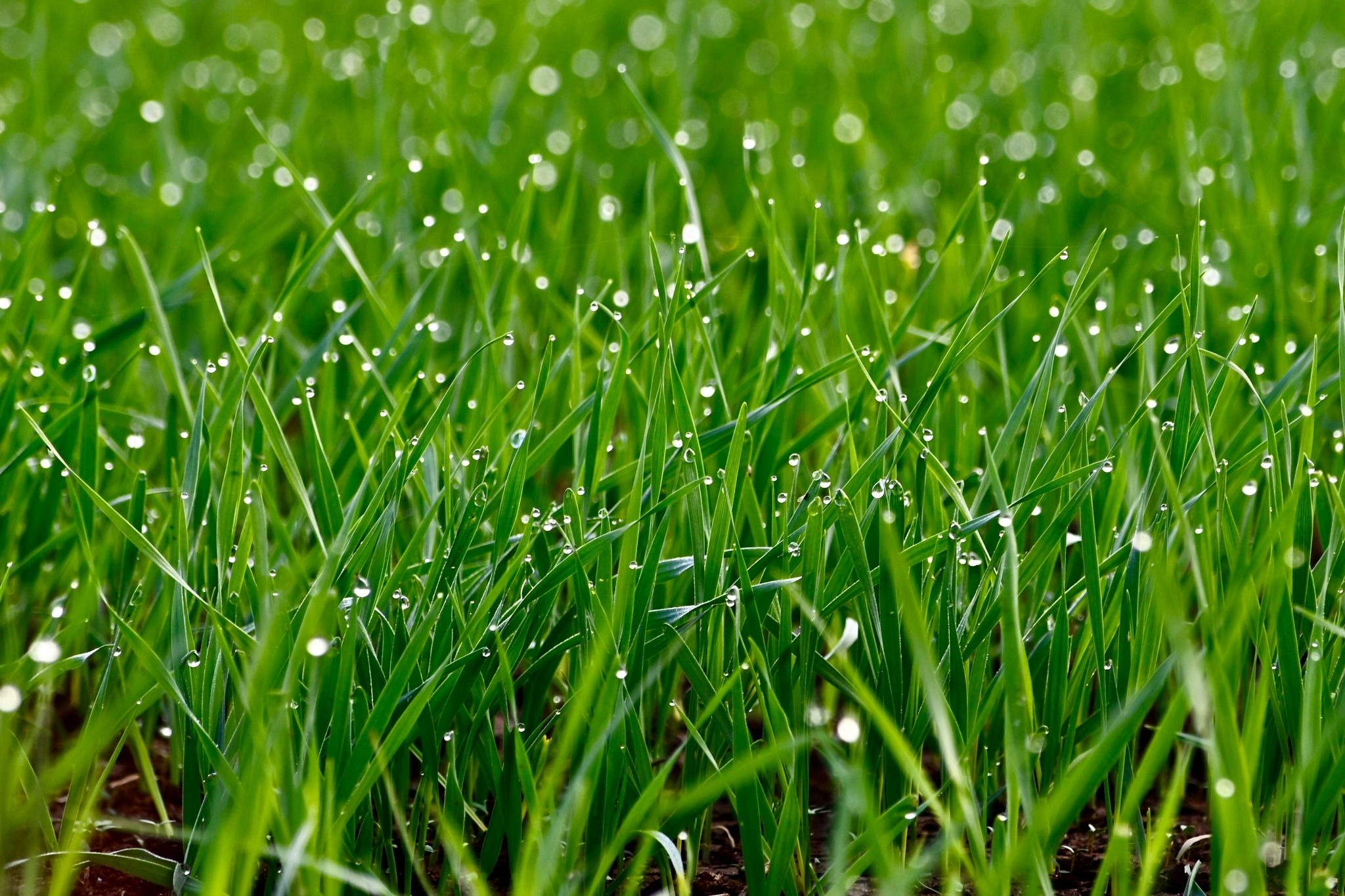
Most turf damage develops gradually rather than from a single event. Improper mowing, poor watering habits, soil compaction, nutrient imbalances, and pest activity can slowly weaken grass, making it less able to recover from everyday stress.
As these issues accumulate, the lawn becomes more vulnerable to heat, drought, disease, and heavy traffic. Addressing problems early through consistent maintenance helps prevent minor concerns from turning into costly turf damage.
Protect Your Lawn From Turf Damage With Teed & Brown
Preventing turf damage requires more than occasional mowing and watering. Teed & Brown provides proactive lawn care and property maintenance services designed to identify issues early, strengthen turf health, and keep your lawn looking its best throughout every season.
How Teed & Brown helps protect turf:
- Customized lawn care programs tailored to your property's needs
- Targeted fertilization and weed control treatments
- Core aeration to relieve soil compaction and improve root growth
- Overseeding to maintain lawn density and fill thin areas
- Grub and insect management to prevent root damage
- Seasonal maintenance that helps turf recover from environmental stress
Ready to build a healthier, more resilient lawn? Contact Teed & Brown today to schedule a customized lawn care assessment and protect your turf year-round.
Conclusion
Most turf damage develops slowly through a combination of preventable mistakes, from improper mowing and watering to soil compaction and untreated pest activity. Recognizing these risks early can help homeowners maintain stronger roots, healthier growth, and a more resilient lawn. By avoiding these common lawn care mistakes and following a proactive maintenance plan, you can reduce stress on your turf throughout the year.
Looking for expert turf protection and lawn care services? Teed & Brown provides customized lawn care solutions designed to keep your property healthy, attractive, and protected season after season.
FAQs
What are the most common lawn care mistakes?
Some of the most common lawn care mistakes include overwatering, mowing grass too short, overfertilizing, ignoring soil compaction, and failing to address pest or disease issues early. These practices can gradually weaken turf and reduce its ability to withstand environmental stress.
What are the biggest mistakes that damage grass?
The biggest causes of turf damage are improper mowing, poor watering habits, excessive fertilizer use, soil compaction, and neglected drainage problems. Over time, these issues can lead to thinning turf, shallow roots, weed infestations, and increased disease susceptibility.
Can overwatering damage a lawn?
Yes. Overwatering can create shallow root systems, reduce oxygen in the soil, and encourage fungal diseases. Lawns that receive too much water often become less drought-tolerant and more vulnerable to pests, disease, and long-term turf decline.
What are common lawn watering mistakes?
Common watering mistakes include watering too frequently, applying too little water per session, watering during the hottest part of the day, and ignoring rainfall. Deep, infrequent watering is generally more effective for promoting healthy root growth and drought resistance.
Why does my lawn get weeds even after treatment?
Weeds can return when underlying lawn conditions remain unfavorable. Thin turf, compacted soil, improper mowing, poor drainage, and nutrient deficiencies create opportunities for weeds to establish, even after herbicide applications. Healthy, dense turf remains the best defense against weed growth.
How does Teed & Brown help reduce turf damage?
Teed & Brown helps reduce turf damage through customized lawn care programs that include targeted fertilization, weed management, aeration, overseeding, and proactive maintenance. By addressing underlying lawn health issues, their team helps create stronger, more resilient turf throughout the year.
Related posts

Best Time to Water Grass: Timing Makes the Biggest Difference in Lawn Health
Grass Seed Growth in Spring: Spot Seeding Strategy for a Healthy Lawn
.jpg)