.svg)

Summer Lawn Care Tips for Heat, Drought, and Turf Stress

Lawn care during hot weather is about helping grass withstand heat, drought, and seasonal stress while maintaining overall turf health. High temperatures, limited rainfall, increased lawn use, weed pressure, and insect activity can all weaken grass during the summer months, particularly when cool-season turf naturally slows its growth.
The most effective summer lawn care strategies focus on protecting roots, preserving turf density, supporting soil moisture, and reducing unnecessary stress on the lawn. Rather than encouraging rapid growth during the hottest part of the year, the goal is to help grass remain resilient through summer conditions and position it for stronger recovery as temperatures begin to cool.
Key Takeaways
- Deep watering, taller turf height, well-timed lawn treatments, and professional evaluations can help reduce summer stress.
- Thin turf, brown patches, weeds, grubs, and compacted soil should be addressed before they turn into larger seasonal lawn problems.
- Late summer is an important planning window for lawn recovery, including aeration and overseeding when conditions are appropriate.
- Summer lawn care works best when it focuses on turf protection and not aggressive growth.
- Cool-season grasses often slow down during hot weather, especially when temperatures stay high for long periods.
Summer Grass Care Tips
Summer lawn care should help the grass conserve energy, retain moisture, and protect the root system during hot weather. When turf is already under heat or drought stress, the wrong approach can make thinning, discoloration, and weed pressure worse.
Keep Grass at a Taller Summer Height
https://www.youtube.com/watch?v=BK4cMNJCtLQ
Taller turf helps shade the soil surface, reduces moisture loss, and protects grass crowns from direct heat. It also helps create a denser canopy, which can make it harder for weeds to spread into open soil.
During summer, grass that is kept too short is more exposed to heat and drought stress. Short turf can also lose moisture faster, leaving roots more vulnerable during dry weather. A taller summer height supports better insulation and helps the lawn hold up longer during heat waves.
For cool-season lawns, the grass is not growing as aggressively in midsummer. So, protecting the existing turf canopy can help reduce stress until cooler temperatures return.
Water Deeply Instead of Lightly
Deep watering the lawn in summer helps moisture reach the root zone, where grass can use it more effectively. Shallow, frequent watering often keeps moisture near the surface, which can encourage weaker roots and leave turf more vulnerable during hot, dry periods.
A healthier summer watering approach focuses on fewer, deeper watering sessions when rainfall is not enough. Early morning is usually the best time because it reduces water loss from evaporation and gives grass blades time to dry during the day.
Properties with sandy soil, slopes, shade, or compacted areas may respond differently, so watering needs should be based on lawn conditions rather than a one-size-fits-all schedule.
Avoid Pushing Heavy Growth During Peak Heat
Cool-season grass naturally slows down during summer heat. Heavy feeding during extreme heat can force growth at a time when the plant is already stressed. This can increase the risk of discoloration, disease pressure, and weaker turf performance.
Summer lawn treatments should be timed carefully and based on the lawn’s condition. A professional lawn care program can help determine when nutrients are appropriate, when turf should be left to conserve energy, and when the lawn needs recovery support later in the season.
Reduce Stress in High-Use Lawn Areas
Summer lawns often see more outdoor activity, which can create worn paths, compacted soil, and thin areas. Repeated pressure on the same sections can make it harder for roots to access air, water, and nutrients.
High-use areas near patios, walkways, play spaces, and shaded corners may need extra attention. These areas often show stress before the rest of the lawn and may become more vulnerable to weeds, bare spots, and seasonal thinning.
Address Weeds Before Thin Areas Spread
Weeds often take advantage of stressed turf. Crabgrass, broadleaf weeds, and other summer weeds are more likely to appear where grass is thin, soil is exposed, or the lawn has been weakened by heat and drought.
A strong summer weed strategy should combine properly timed weed control with turf-strengthening lawn care. Treating visible weeds is only part of the solution. The bigger goal is to improve turf density so open spaces do not continue inviting weed growth.
Understand Your Grass Type Before Planning Summer Lawn Care
Not all grass types respond to summer heat, drought, and humidity the same way. Most lawns contain cool-season grasses that grow most actively during spring and fall and naturally slow down during hot weather. Understanding which grass varieties make up your lawn can help explain why some areas stay green longer, while others show signs of stress, discoloration, or dormancy.
Common cool-season grasses and their summer characteristics include:
Kentucky Bluegrass
- Recognized by its rich green color and ability to spread through underground rhizomes.
- Can recover from thin or damaged areas when growing conditions improve.
- Often shows drought stress during prolonged hot, dry weather.
- Benefits from consistent moisture and practices that help preserve turf density during summer.
Perennial Ryegrass
- Establishes quickly and provides good wear tolerance in active lawn areas.
- Performs well during cooler conditions but can struggle during extended heat and drought.
- May develop thinning or discoloration when moisture becomes limited.
- Often benefits from summer lawn care strategies that reduce turf stress and protect root health.
Fine Fescues
- Identified by their narrow, soft-textured blades.
- Commonly found in shaded areas where other grass types may struggle.
- Tend to slow growth or enter dormancy sooner during periods of heat and drought.
- Perform best when summer stress, soil compaction, and excessive lawn traffic are minimized.
Turf-Type Tall Fescue
- Features wider blades and a deeper root system than many other cool-season grasses.
- Generally offers better heat and drought tolerance.
- Often performs well in sunny locations and areas with variable moisture conditions.
- Still benefits from proper watering, soil health, and seasonal Lawn Treatments during summer.
Common Summer Lawn Problems to Watch For
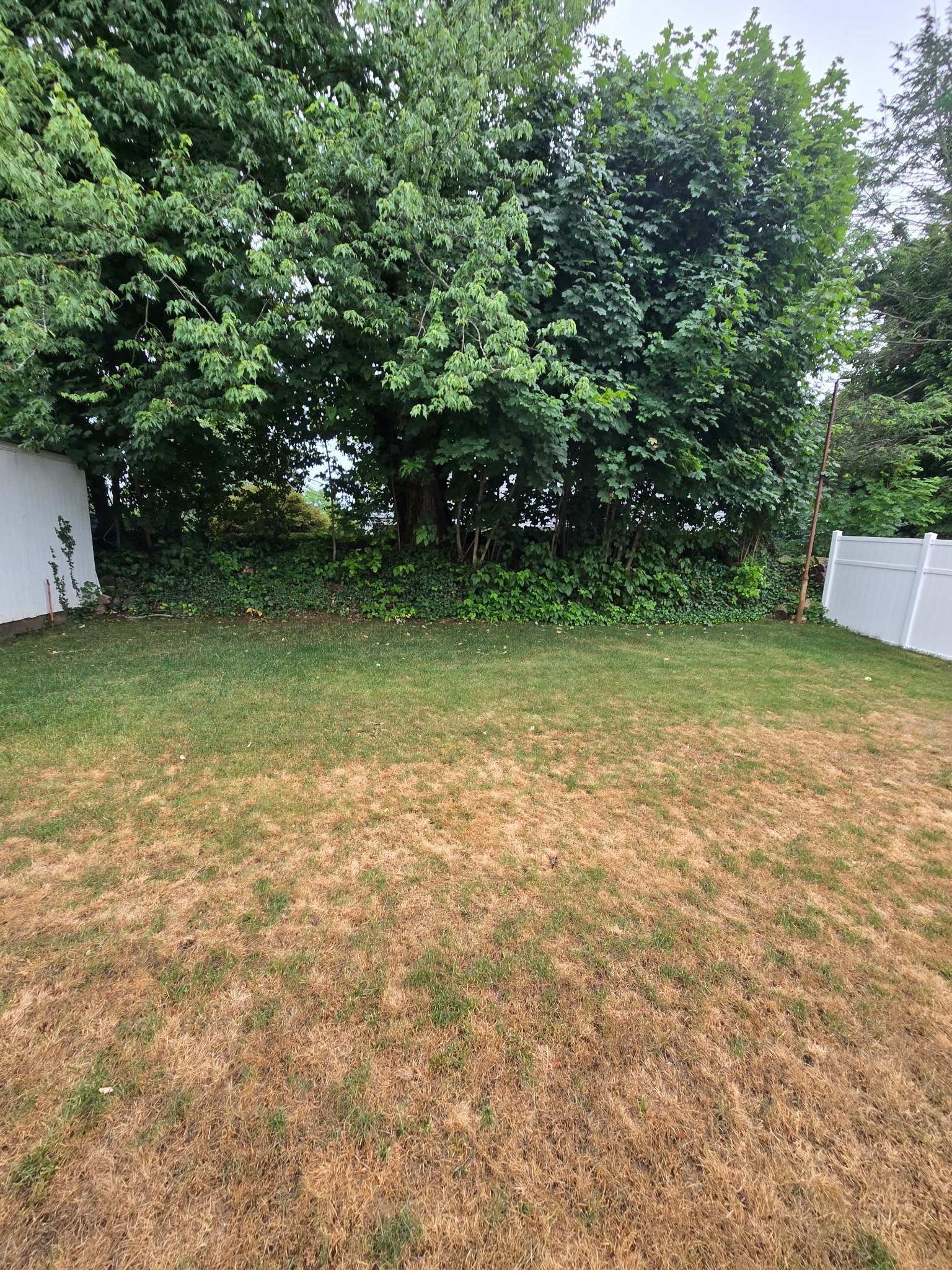
Many summer lawn problems produce similar symptoms, including brown patches, thinning turf, wilting, and discoloration. However, the underlying causes can vary significantly.
Brown Patches and Drought Stress
From the Backyard Lab: Heat vs. Drought
While brown or straw-colored patches often indicate drought stress, they can also signal dormancy, disease activity, or root damage.
Common signs include:
- Uniform browning across large sunny areas.
- Grass blades that appear dry, brittle, or wilted.
- Turf that recovers slowly after rainfall.
- Irregular patches that may indicate issues beyond simple drought stress.
Thin Turf and Bare Spots
Summer thinning can develop gradually as grass struggles with environmental stress or soil-related issues.
Factors that commonly contribute to thinning include:
- Heat and drought stress.
- Compacted soil conditions.
- Inconsistent moisture distribution.
- Heavy lawn use and foot traffic.
- Aging turf with reduced vigor.
Crabgrass and Broadleaf Weed Pressure
Thin turf, exposed soil, and stressed lawn areas provide ideal conditions for weed establishment.
Common summer weed concerns include:
- Crabgrass spreads in sunny, open areas.
- Broadleaf weeds fill gaps in weakened turf.
- Increased weed visibility in drought-stressed sections.
- Expansion along lawn edges, driveways, and walkways.
Grub Damage and Root Weakness
Grubs feed below the soil surface, damaging grass roots and reducing the lawn's ability to absorb water and nutrients.
Potential indicators include:
- Brown patches that continue to expand despite rainfall.
- Turf that feels loose or spongy underfoot.
- Grass that lifts easily from the soil.
- Increased digging activity from skunks, raccoons, or birds.
Summer Lawn Disease Pressure
Warm temperatures combined with humidity can increase disease pressure in many lawns. Disease symptoms often appear as irregular patches, rings, or areas of discoloration that can be mistaken for drought damage.
Common summer lawn diseases include:
- Brown patch.
- Dollar spot.
- Red thread.
- Summer patch.
Conditions that may contribute to disease activity include:
- Extended periods of moisture.
- Limited airflow around turf.
- Excessive turf stress.
- Nutrient imbalances.
Compacted Soil From Summer Lawn Use
Soil compaction can become more noticeable during summer because roots have a harder time accessing water, oxygen, and nutrients.
Signs of compaction may include:
- Hard soil that is difficult for water to penetrate.
- Persistent thin or weak turf growth.
- Increased runoff after watering or rainfall.
- High-traffic areas that struggle to recover from wear.
- Bare spots are developing in frequently used sections of the lawn.
How Summer Lawn Care Should Change by Season Timing
Summer lawn care should not look the same from June through September. Early summer, peak summer, and late summer each require a different focus.
Early Summer: Build Turf Strength Before Peak Heat
Early summer is the time to prepare the lawn before the most stressful weather arrives. The focus should be on supporting turf density, addressing visible weed pressure, and reviewing watering coverage before extended heat sets in.
At this stage, the lawn may still have some active growth from spring. Properly timed lawn treatments can help support turf health, while professional evaluations can identify thin spots, compacted soil, or areas that may struggle during peak heat.
Midsummer: Protect Existing Turf
Midsummer lawn care should focus on stress reduction. High heat, humidity, drought, and insect activity can all affect lawn performance. During this stage, the goal is to preserve the turf that is already established.
This is also when homeowners may notice brown patches, wilting, weed growth, or signs of grub activity. Rather than assuming all brown grass has the same cause, a service visit can help determine whether the issue is drought stress, disease pressure, insect damage, or soil-related decline.
Late Summer: Plan Lawn Recovery
Late summer is an important transition period for cool-season lawns. As temperatures begin to moderate, the lawn may be ready for recovery-focused care.
This is often when aeration and overseeding are considered for thin, compacted, or stressed turf. Aeration can help open compacted soil, while overseeding can improve turf density in weak areas. Timing matters because seed establishment depends on soil temperature, moisture, and aftercare conditions.
Get Premium Summer Lawn Care With Teed & Brown
Summer lawn care requires more than treating visible symptoms. Heat, drought, weeds, soil conditions, and seasonal stress can all affect turf performance and recovery.
Teed & Brown’s professional lawn care services can support:
- Lawn treatments, including fertilization and weed control
- Grub control where appropriate
- Tick control
- Turf evaluations during scheduled service visits
- Aeration and overseeding planning
Help your lawn stay stronger through summer stress. Schedule your Teed & Brown property consultation today.
Conclusion
Summer lawn care is about protecting the lawn during one of the most stressful parts of the year. Heat, drought, humidity, weeds, grubs, and soil compaction can all affect how well the turf performs.
The strongest summer lawn care plans focus on root protection, proper watering, turf density, timely lawn treatments, and professional evaluations during scheduled service visits.
With the right professional lawn care approach from Teed & Brown, summer stress does not have to turn into long-term lawn decline.
FAQs
What is the most important summer lawn care tip?
The most important summer lawn care tip is to reduce stress on the turf. That means protecting the root system, keeping grass at a taller summer height, watering deeply when needed, and avoiding treatments that force aggressive growth during extreme heat.
Why does grass turn brown in summer?
Grass can turn brown in summer because of drought stress, heat, dormancy, disease, grubs, compacted soil, or poor watering coverage. Brown grass is not always dead, but the cause should be evaluated before choosing a treatment plan.
Should cool-season lawns be treated the same way in summer as in spring?
No. Cool-season lawns grow most actively in spring and fall. During the summer heat, they often slow down and may become stressed. Summer care should focus on protecting existing turf rather than pushing rapid growth.
When is the best time to water a lawn in summer?
Early morning is generally the best time to water because it helps reduce evaporation and allows grass blades to dry during the day. Watering needs depend on rainfall, soil type, sun exposure, and the condition of the lawn.
Why are weeds more common in summer lawns?
Weeds often spread when turf becomes thin, stressed, or patchy. Summer heat and drought can weaken grass, leaving open soil where weeds can establish. Strengthening turf density is an important part of reducing weed pressure.
How do I know if my lawn has grub damage?
Possible signs of grub damage include brown patches, weak roots, turf that feels loose, and wildlife digging in the lawn. Because these symptoms can resemble drought or disease stress, a professional evaluation can help identify the cause.
Can aeration and overseeding help after summer stress?
Yes. For lawns with compacted soil, thin turf, or bare areas, aeration and overseeding may help improve recovery when timed correctly. Late summer to early fall is often an important window for cool-season lawn recovery.
Related posts

Best Time to Water Grass: Timing Makes the Biggest Difference in Lawn Health
Grass Seed Growth in Spring: Spot Seeding Strategy for a Healthy Lawn
.jpg)