
Nutsedge vs.Crabgrass: Key Differences, Identification, and Treatment
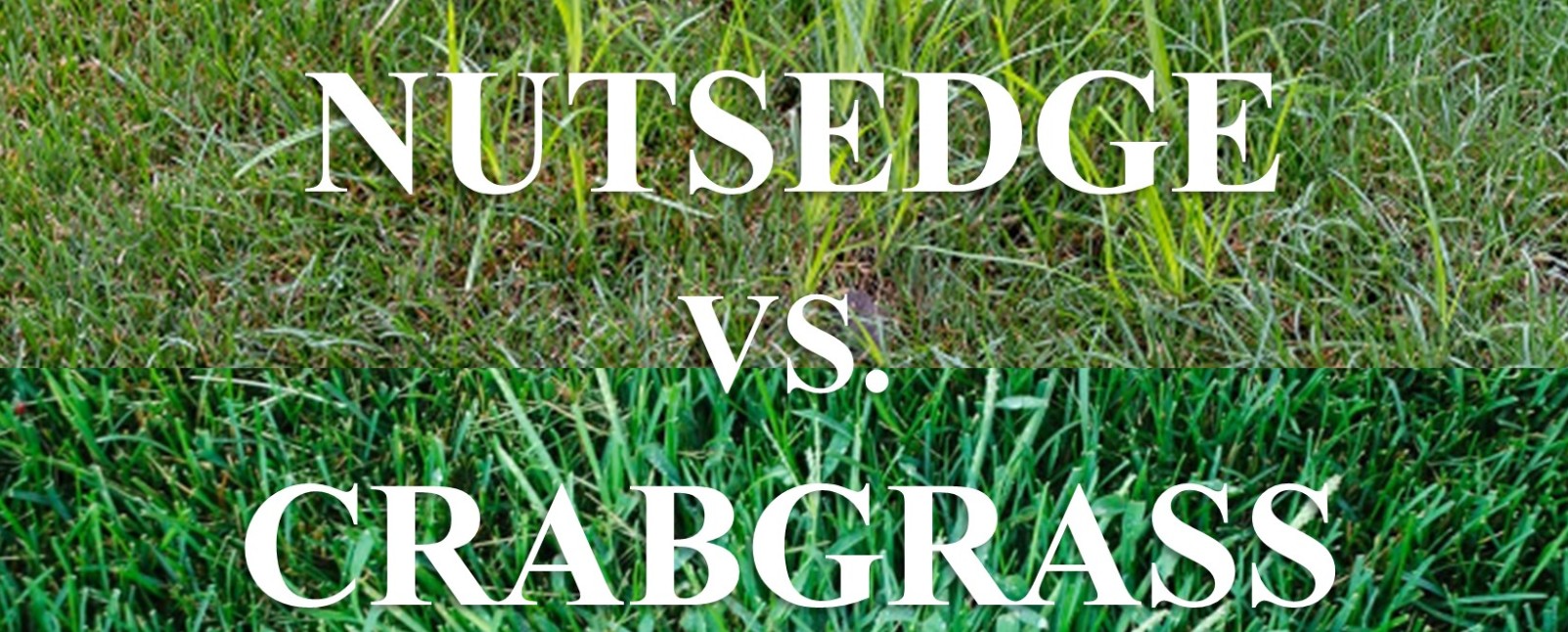
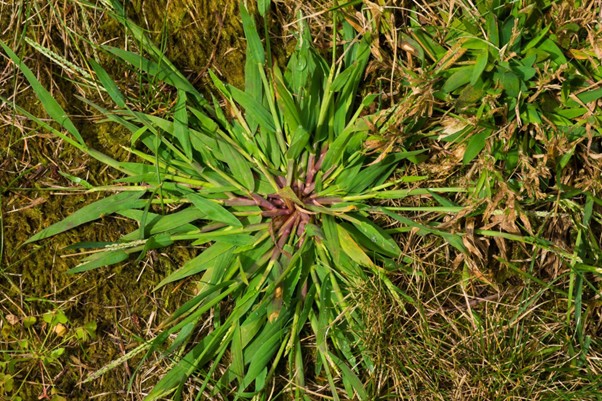
If your lawn has fast-growing, patchy weeds, chances are you are dealing with either nutsedge or crabgrass. At a glance, they look similar. But the difference between nutsedge and crabgrass is significant, especially when it comes to treatment.
Misidentifying these weeds is one of the most common reasons homeowners struggle with recurring problems. What works for crabgrass will not work for nutsedge, and using the wrong approach can make the issue worse.
Understanding nutsedge vs.. crabgrass is the first step toward choosing the right control strategy and restoring a healthy lawn.
Key Takeaways
- Nutsedge and crabgrass look similar but need different treatments
- The key difference is in the roots: nutlets vs. shallow roots
- Proper nutsedge vs. crabgrass identification is essential
- Nutsedge grows faster and taller than your grass
- Crabgrass spreads low and outward across the lawn
- Crabgrass needs pre- and post-emergent control
- Nutsedge needs targeted post-emergent treatment
How to Differentiate Between Nutsedge and Crabgrass
Understanding the differences between nutsedge and crabgrass is integral to lawn care and management
Similar Appearance During Peak Growing Season
Both weeds grow aggressively during warm months and stand out against your turf. They often appear as lighter green patches and grow faster than surrounding grass, which makes them easy to confuse in a typical nutsedge vs. crabgrass lawn situation.
Misidentification Leading to Wrong Treatment
Many homeowners rely on general weed control products without confirming what they are dealing with. This is where problems begin. Using crabgrass control on nutsedge, for example, does not solve the issue and often allows it to spread further. Proper identification is essential before applying any treatment.
Nutsedge vs. Crabgrass
Below is a breakdown that helps simplify the nutsedge vs. crabgrass difference and gives you a clear starting point for identification.
Root Structure and Why It Changes Treatment
Underground Nutlets Causing Recurrence in Nutsedge
Nutsedge spreads through underground tubers called nutlets. Even if you remove the visible plant, these nutlets remain in the soil and can produce new growth. This is why nutsedge often comes back stronger after improper treatment.
Surface-Level Root System in Crabgrass
Crabgrass, on the other hand, grows from a shallow root system. It spreads across the surface and relies heavily on open, weak turf areas to establish. Once removed and prevented, it is easier to control compared to nutsedge.
This fundamental difference between nutsedge and crabgrass is what makes accurate identification so important.
Treatment Strategy Based on Correct Identification
Why Nutsedge Requires Targeted Post-Emergent Control
Nutsedge cannot be controlled with standard weed killers designed for broadleaf weeds or crabgrass. It requires a specific post-emergent herbicide that targets its unique biology and underground growth system.
Timing also matters. Treating nutsedge when it is actively growing improves effectiveness and reduces the chance of regrowth.
Why Crabgrass Needs Preventive + Active Treatment
Crabgrass control works best with a combination approach:
- Pre-emergent treatment to stop seeds from germinating
- Post-emergent control to eliminate existing growth
Because crabgrass spreads quickly in thin lawns, improving turf density is also key to long-term prevention.
This is where professional programs from Teed & Brown help. Instead of treating weeds in isolation, they address underlying lawn conditions that allow both nutsedge and crabgrass to thrive.
Common Mistakes That Make Weed Management Harder
Using Crabgrass Control on Nutsedge
This is one of the most common mistakes. Crabgrass products do not affect nutsedge and may give the impression that treatment is not working, allowing the weed to spread further.
Ignoring Soil Conditions That Promote Growth
Both weeds thrive under specific conditions:
- Nutsedge prefers moist, poorly drained soil
- Crabgrass thrives in thin, compacted turf
Why Homeowners Trust Teed & Brown for Weed Control
Mixed Weed Presence Across the Lawn
Many lawns do not have just one type of weed. A combination of nutsedge and crabgrass is common, especially in stressed turf. Treating both correctly requires accurate identification and a targeted plan.
Repeated Regrowth Despite DIY Treatments
If weeds keep coming back despite multiple treatments, the issue is usually deeper than surface-level control. Incorrect products, poor timing, or underlying soil problems often prevent lasting results.
In these cases, working with experts like Teed & Brown ensures proper nutsedge vs. crabgrass identification, targeted treatment, and long-term lawn improvement.
Fix Your Lawn With Expert Care
FAQs
Do you provide professional weed identification services?
Yes, professional lawn care providers like Teed & Brown help accurately identify weeds before treatment. Proper identification is critical because different weeds require completely different control methods.
Can you treat both nutsedge and crabgrass together?
Yes, but it requires a combined strategy. Since these weeds respond to different treatments, a tailored approach is necessary to effectively manage both without harming your lawn.
Do you offer seasonal weed control programs?
Seasonal programs are designed to prevent and control weeds throughout the year. These programs typically include pre-emergent treatments, post-emergent control, and lawn care practices that improve turf density.
What is the easiest way to identify nutsedge vs. crabgrass?
Look at the growth pattern and structure. Nutsedge grows upright with a brighter color and faster vertical growth, while crabgrass spreads low and outward with wider blades. Observing these differences helps with quick nutsedge vs. crabgrass identification.
Can one herbicide kill nutsedge and crabgrass?
In most cases, no single product effectively controls both. Nutsedge requires specialized treatment, while crabgrass responds to a different set of herbicides. Using the correct product for each is essential.
Related posts

Lawn Winterizer Fertilizer: Timing and Nutrient Strategy for Stronger Spring Lawns
Fixing low pH with Limestone