.svg)

Lawn Care vs. Lawn Maintenance: What Actually Makes the Difference?

A healthy lawn needs more than regular mowing. Understanding the lawn care vs. lawn maintenance difference helps you choose the right services for your property, improve turf health, and avoid common lawn problems before they become expensive to fix.
Lawn maintenance focuses on keeping your yard neat, clean, and visually appealing through routine tasks like mowing and trimming. Lawn care, on the other hand, targets the health of your grass and soil through treatments such as fertilization, weed control, pest management, and irrigation support.
Knowing the difference between lawn care and lawn maintenance allows homeowners to build a more effective long-term lawn strategy. A lawn may look tidy after mowing, but without proper lawn care, weak roots, weeds, soil compaction, and nutrient deficiencies can still damage overall turf quality.
Key Takeaways
- Lawn care focuses on turf health, soil quality, and long-term lawn strength.
- Lawn maintenance focuses on routine upkeep and appearance.
- Lawn care services include fertilization, weed control, pest management, and irrigation support.
- Lawn maintenance services include mowing, edging, trimming, and seasonal cleanup.
- Most properties benefit from both lawn care and lawn maintenance services.
- Healthy lawns require proper soil nutrients, watering, mowing practices, and ongoing monitoring.
Lawn Care vs. Lawn Maintenance
The lawn care vs. lawn maintenance difference comes down to one simple idea: health versus upkeep. Lawn care improves the condition of your lawn below the surface, while lawn maintenance manages the visible appearance above ground.
Understanding the difference between lawn care and lawn maintenance helps property owners avoid gaps in service. A lawn that only receives maintenance may still struggle with weeds, poor soil, thinning grass, or insect damage over time.
Lawn Care Services
Lawn care services are designed to strengthen grass health, improve soil conditions, and prevent common turf problems. These treatments work below the surface to support stronger roots and more consistent growth throughout the year.
Lawn Testing
Professional lawn testing evaluates soil pH levels, nutrient deficiencies, and overall soil condition. Testing helps identify what your lawn needs to grow properly and prevents overuse of fertilizers or treatments.
Healthy soil creates the foundation for healthier turf. Without proper testing, many lawn issues remain hidden until visible damage appears.
Irrigation Systems
Water management plays a major role in lawn health. Irrigation systems help distribute water evenly, prevent dry spots, and reduce stress during warmer months.
Poor watering habits can weaken grass roots and create conditions for weeds and disease. Proper irrigation supports consistent growth and healthier turf development.
Pest Control
Lawn pests can damage roots, thin grass coverage, and create brown patches across the yard. Professional pest control services identify active infestations and apply targeted treatments to protect turf health.
Preventative monitoring also helps reduce long-term lawn damage before problems spread.
Fertilizer
Fertilization provides the nutrients grass needs to grow thicker, greener, and stronger. Seasonal fertilizer applications help lawns recover from stress, improve root development, and maintain healthy color throughout the year.
Proper fertilization schedules depend on grass type, soil condition, and seasonal weather patterns.
Weed Control
Weeds compete with grass for sunlight, water, and nutrients. Weed control treatments target invasive growth while supporting stronger turf density.
Pre-emergent and post-emergent treatments help reduce weed populations and improve overall lawn appearance over time.

Lawn Maintenance Services
Lawn maintenance services focus on routine upkeep that keeps properties clean, polished, and manageable throughout the season.
Mowing
Mowing keeps grass at a healthy and consistent height while improving curb appeal. Proper mowing practices also help reduce turf stress and encourage denser growth. Cutting grass too short can weaken roots and increase weed growth, which is why mowing height matters.
Grass Seeding
Grass seeding helps fill thin or damaged areas and improves lawn density. Overseeding can also strengthen turf against weeds and seasonal stress. Seeding is commonly paired with aeration and fertilization for better long-term results.
Trimming and Edging
Trimming and edging create cleaner borders around sidewalks, driveways, flower beds, and hardscapes. These services improve the overall appearance of the property and maintain a finished look.
Leaf Removal
Seasonal leaf removal prevents lawns from becoming smothered by debris. Excess leaves block sunlight, trap moisture, and create conditions for lawn disease and fungal growth. Regular cleanup supports healthier grass during seasonal transitions.
Hardscape Cleaning
Hardscape cleaning removes dirt, grass buildup, and debris from patios, walkways, driveways, and retaining walls. Clean hardscapes improve curb appeal and help maintain the overall appearance of outdoor spaces.
Signs Your Property Needs Lawn Care vs. Maintenance
Some lawns need basic upkeep, while others require targeted treatments to restore health and growth. Recognizing the signs early helps prevent larger problems later.
Your lawn may need lawn care services if you notice the following:
- Brown or thinning grass
- Persistent weed growth
- Bare patches across the yard
- Poor drainage or compacted soil
- Insect damage or pest activity
- Weak root growth
- Uneven lawn color
Your lawn may need lawn maintenance services if you notice the following:
- Overgrown grass
- Messy edges along walkways
- Leaf buildup
- Untrimmed landscaping
- Debris accumulation
- Poor curb appeal
Many homeowners eventually realize they need both lawn care services vs. lawn maintenance services to keep their property healthy and attractive year-round.
How Teed & Brown Helps You Choose the Right Lawn Care and Maintenance Services
Choosing between lawn care and maintenance depends on your lawn's current condition, long-term goals, and seasonal challenges. Some properties only need routine mowing and cleanup, while others require deeper soil treatments, fertilization, weed control, or irrigation adjustments.
At Teed & Brown, professional lawn specialists evaluate the condition of your turf and recommend solutions tailored to your property. The team combines lawn care services vs. lawn maintenance services into customized programs that improve both appearance and long-term lawn health.
From fertilization and pest management to mowing and seasonal cleanups, integrated lawn programs help homeowners maintain greener, stronger, and more resilient lawns throughout the year.
Connect With Teed&Brown for a FREE consultation
FAQs
What is the difference between lawn care and lawn maintenance?
The main difference between lawn care and lawn maintenance is the focus of the service. Lawn care improves turf health through fertilization, weed control, pest management, and soil treatments. Lawn maintenance focuses on routine upkeep tasks like mowing, trimming, edging, and cleanup.
Is mowing considered lawn care or lawn maintenance?
Mowing is considered lawn maintenance because it focuses on maintaining lawn appearance and grass height. While proper mowing can support healthier grass growth, it is still classified as part of regular lawn maintenance services.
Do I need both lawn care and lawn maintenance services?
Most homeowners benefit from both services. Lawn maintenance keeps the property neat and visually appealing, while lawn care protects turf health and strengthens the lawn over time. Combining both creates healthier and more attractive outdoor spaces.
Which is more important: lawn care or lawn maintenance?
Both are important because they support different aspects of lawn performance. Lawn maintenance improves appearance, while lawn care protects the health of the grass and soil. Without lawn care, lawns may develop weeds, thinning grass, and nutrient deficiencies even if they are regularly maintained.
Can lawn maintenance improve lawn health?
Some maintenance tasks, such as proper mowing and overseeding, can support healthier turf growth. However, lawn maintenance alone usually does not address deeper issues like soil imbalance, pests, nutrient deficiencies, or weed infestations.
What happens if I only do lawn maintenance and skip lawn care?
A lawn may continue to look trimmed and neat for a while, but underlying health problems can develop over time. Weak roots, weed growth, soil compaction, pests, and thinning turf often appear when lawns do not receive proper care treatments and preventative services.
Related posts

Lawn Winterizer Fertilizer: Timing and Nutrient Strategy for Stronger Spring Lawns
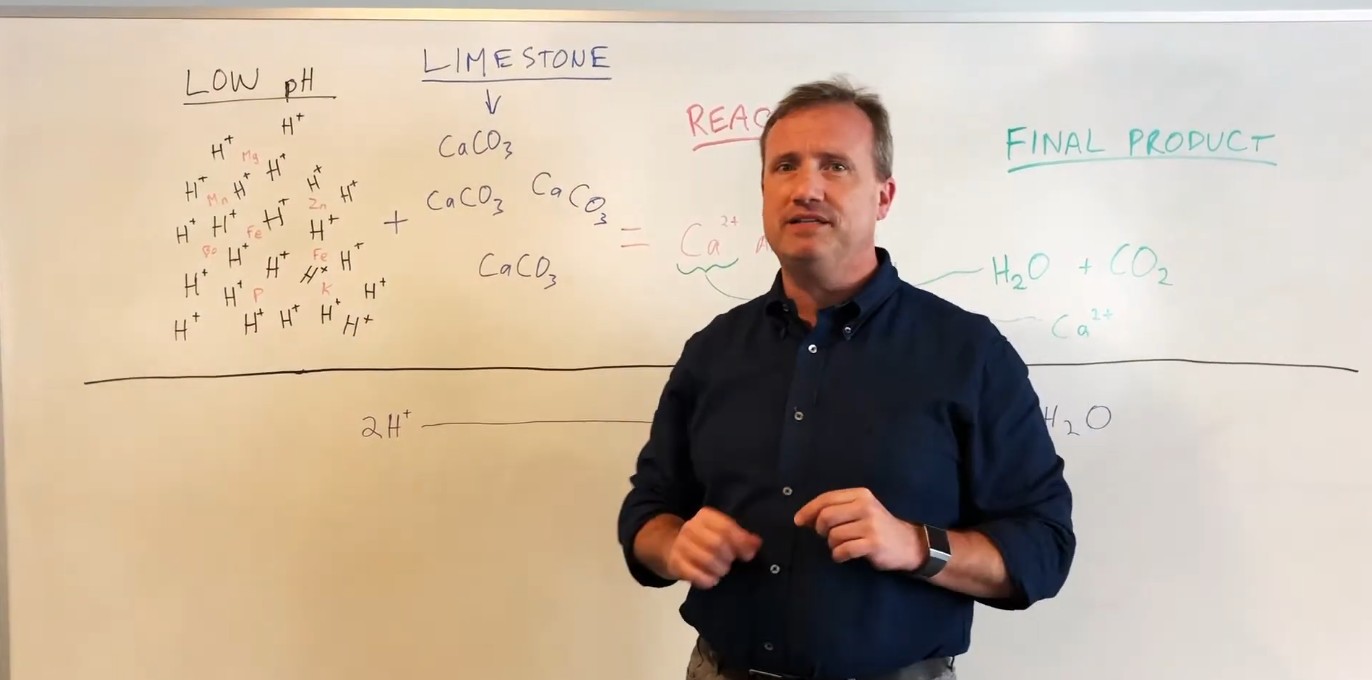
Fixing low pH with Limestone