.svg)

Late Fall Lawn Care: What to Do Before Winter to Protect and Strengthen Your Lawn

Late fall lawn care is where you set your lawn up for everything that follows. What you do before winter directly affects how your grass survives cold weather and how strongly it comes back in spring. Many homeowners focus on spring and summer, but the real groundwork happens in the fall.
If you approach lawn care before winter with the right timing, proper late fall fertilization, and smart lawn debris management, you can give your lawn the strength it needs to handle freezing temperatures, snow cover, and reduced sunlight.
Late fall is also the time to correct underlying issues like soil compaction and nutrient imbalance, not just maintain appearance. Lawns that go into winter healthy at the root level consistently perform better the following season.
Let’s break down exactly what matters and when to act.
Understanding Late Fall Timeline for Lawn Care
Late fall is not about the calendar. It is about how your lawn responds to temperature changes.
Identifying the Right Timing Based on Temperature
Your lawn responds to soil and air temperature, not specific dates. Once consistent cool temperatures set in and growth slows significantly, your focus should shift from maintenance to protection and root strengthening.
Soil temperature plays a critical role here. Even if air temperatures fluctuate, root activity continues as long as the soil remains above freezing, which is why late fall treatments can still be highly effective.
Why Acting Too Early or Too Late Reduces Effectiveness
If you act too early, your lawn is still in active growth mode and may not respond properly to late fall fertilization or mowing adjustments. If you wait too long, the ground begins to cool rapidly, limiting nutrient absorption and making tasks like lawn aeration timing or overseeding lawn efforts less effective.
Missing this window often leads to weaker root systems, which show up as thinning, patchy growth, and slower green-up in spring.
Mowing Strategy Before Winter
.jpg)
Your last few cuts before winter play a bigger role than most homeowners expect. Although we do not provide mowing services, here are some mowing tips to help your lawn stay healthy this season.
Ideal Grass Height Going Into Winter
Aim to keep your lawn around 3 inches before the final mow. This height protects the crown of the grass while still allowing airflow and reducing the risk of disease.
Why Cutting Too Short or Too Long Causes Problems
Cutting too short weakens the grass and exposes it to cold stress. Leaving it too long creates dense, matted areas that trap moisture, increasing the chances of fungal issues like snow mold.
When to Stop Mowing Completely
Once growth stops and your lawn no longer needs trimming between cuts, it is time to put the mower away. Continuing to mow dormant grass can cause unnecessary stress and damage.
Following proper mowing habits throughout fall, especially the one-third rule and keeping blades sharp, helps avoid stressing the lawn right before dormancy.
Late Fall Fertilization for Root Strength
Late fall fertilization is one of the most important steps in preparing your lawn for winter.
Why Late Fall Feeding Supports Spring Growth
At this stage, your lawn shifts energy from top growth to root development. Applying the right nutrients now helps roots store energy, leading to faster green-up and stronger growth in spring.
What Type of Fertilizer Works Best at This Stage
It's important to use a fertilizer higher in potassium and balanced in nitrogen to support root strength without pushing excessive top growth. This helps your lawn stay resilient through winter.
Timing the Last Application Correctly
It’s important to apply fertilizer when the grass has nearly stopped growing but is still active enough to absorb nutrients. This timing ensures maximum benefit without waste.
Slow-release fertilizers are especially effective in late fall because they provide steady nutrient availability without forcing unnecessary top growth.
This is where experienced providers like Teed & Brown make a difference, ensuring late fall fertilization is applied at the right time and in the right balance based on actual lawn conditions.
Lawn Debris Management Before Winter
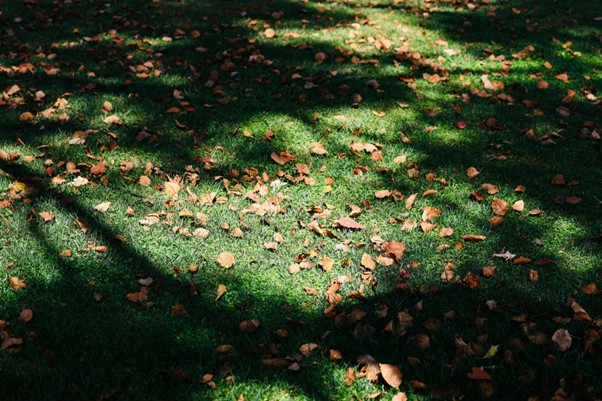
Clearing your lawn before winter is not just about appearance. It directly affects lawn health.
Why Lawn Debris Management Matters
Leaves, twigs, and organic buildup block sunlight, trap moisture, and create the perfect environment for disease. Leaving debris on your lawn too long can suffocate grass and weaken it before winter even begins.
Best Approach to Managing Leaves and Debris
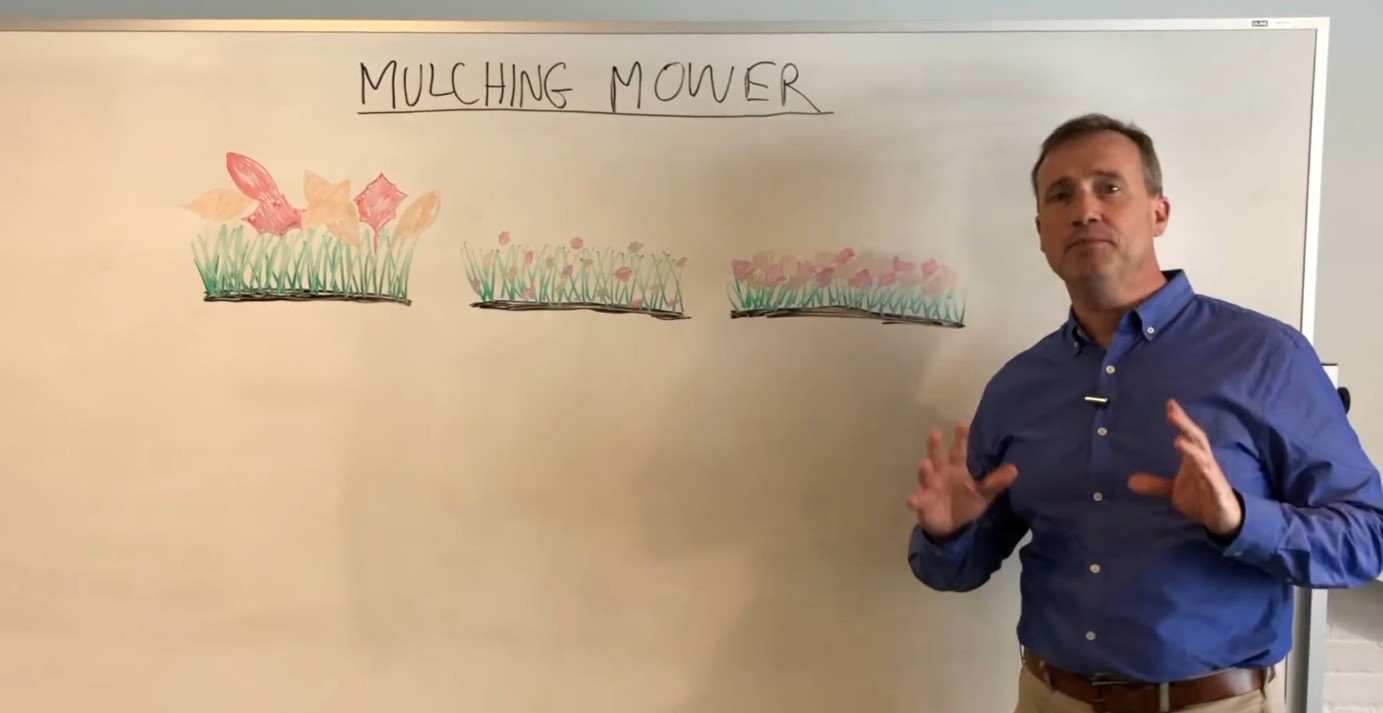
Regularly remove or mulch leaves so your lawn can still breathe and receive light. A thin layer of mulched leaves can help, but heavy buildup should always be cleared.
Watering Lawn Before Winter
Watering does not stop in fall, but it needs to be adjusted carefully.
How Much to Water Before Winter
Your lawn still needs moisture as long as the ground is not frozen. Maintain moderate watering to prevent the soil from drying out completely.
When to Stop Watering
Once temperatures drop consistently and the ground begins to freeze, watering should stop. Overwatering before freezing conditions can lead to ice damage and root stress.
Deep, infrequent watering is more effective than frequent shallow watering in fall, as it encourages deeper root systems before dormancy.
Lawn Aeration Timing and Overseeding Lawn
Late fall can still support improvement work if timed correctly.
Lawn Aeration Timing
If your soil is compacted, aeration before the ground hardens helps improve airflow, water movement, and root development. However, timing is critical. Aerate too late, and the soil will not respond effectively.
Overseeding Lawn
Overseeding can still work in late fall if soil temperatures are warm enough for germination. If conditions are too cold, seeds may not establish properly, leading to wasted effort.
Early fall is typically ideal for overseeding, but late fall can still work as a secondary window if temperatures remain stable long enough for initial establishment.
How to Protect Lawn from Winter Damage
Once your lawn enters dormancy, protection becomes the priority.
Preventing Snow Mold and Fungal Issues
Keep your lawn clear of debris and avoid excessive moisture buildup. Proper mowing height and lawn debris management reduce the risk of fungal growth under snow cover.
Reducing Foot Traffic on Dormant Grass
Dormant grass is fragile. Walking on it repeatedly can damage crowns and lead to thinning in spring. Limit traffic as much as possible.
Avoiding Heavy Objects or Compaction
Do not leave heavy equipment, furniture, or piles on your lawn. Compaction during winter can damage soil structure and delay recovery.
Repeated freeze-thaw cycles can already stress your lawn, so minimizing additional pressure helps prevent long-term damage.
Common Late Fall Mistakes That Damage Lawn Health
Avoiding a few common mistakes can make a significant difference:
- Leaving leaves on the lawn too long, leading to suffocation and disease
- Overwatering before freezing temperatures, causing root damage
- Skipping final mowing or late fall fertilization, weakening the lawn
- Seeding too late without proper conditions, resulting in poor germination
Ignoring soil health issues like compaction or nutrient imbalance going into winter can limit the effectiveness of all other lawn care efforts.
Why Homeowners Trust Teed & Brown for Late Fall Lawn Care
Late fall lawn care requires precise timing and an understanding of how your lawn responds to seasonal changes. Teed & Brown helps homeowners manage everything from late fall fertilization to lawn debris management and watering the lawn before winter, ensuring each step supports long-term lawn health.
Instead of guessing, you get a structured plan based on your lawn’s actual condition, so it enters winter stronger and recovers faster in spring.
Upgrade Your Lawn with a Custom Plan
FAQs
When should I stop mowing my lawn in fall?
You should stop mowing once your grass stops growing and no longer needs trimming between cuts. This usually happens when temperatures drop consistently and growth slows significantly.
Should I water my lawn in late fall?
Yes, but only right before the ground begins to freeze. Watering lawn before winter helps prevent dehydration, but overwatering in cold conditions can cause damage.
Is late fall a good time to fertilize?
Late fall fertilization is one of the best steps you can take to prepare for the winter season. It strengthens roots and prepares your lawn for healthy growth in spring.
Can I seed my lawn before winter?
Yes, you can overseed lawn areas in late fall if soil temperatures are still suitable for germination. If it is too cold, seeds may not establish properly.
What happens if I leave leaves on my lawn?
Leaving leaves on your lawn blocks sunlight, traps moisture, and increases the risk of disease. Proper lawn debris management is essential to keep your lawn healthy going into winter.
Related posts
.jpg)
Spring Season 2026
Mulching Mower