.svg)

How to Get Greener Grass: Proven Ways to Improve Lawn Color and Health
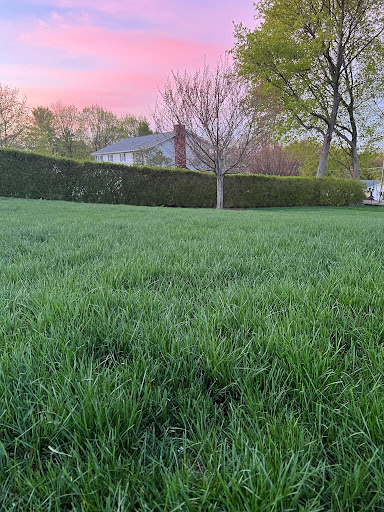
A vibrant, green lawn relies on proper fertilization, consistent watering, healthy soil conditions, and proactive pest management. When turf receives the nutrients, moisture, and root support it needs, it can maintain a thicker, healthier, and more vibrant green appearance.
Lawn color is one of the clearest indicators of overall turf health. If your grass is looking pale, thin, or stressed, issues such as nutrient deficiencies, soil compaction, weeds, grubs, or drought stress may be limiting its growth. Fortunately, with healthy green lawn tips and professional treatments, you can restore and maintain rich green color throughout the growing season.
Key Takeaways
- A healthy green lawn requires more than fertilizer alone; proper watering, soil health, weed control, and pest management all play important roles.
- Nitrogen deficiencies, soil compaction, drought stress, lawn diseases, and insect damage can all contribute to poor turf color and growth.
- Seasonal fertilization programs support stronger roots, improve nutrient availability, and help maintain consistent lawn color throughout the growing season.
- Proper watering practices encourage deeper root growth, while overwatering and underwatering can weaken turf and increase stress-related discoloration.
- Aeration and overseeding help relieve soil compaction, improve turf density, and promote a fuller, greener lawn appearance.
- Professional lawn care services from Teed & Brown provide customized treatments that support healthier, thicker, and more vibrant grass year-round.
Proper Fertilization To Support Greener Grass
Fertilization remains one of the most effective ways to improve lawn color when applied correctly. Choosing the best fertilizer for green grass depends on your lawn's nutrient needs, grass type, and soil conditions. Proper fertilization supports chlorophyll production, root development, and consistent turf color.
However, successful fertilization involves much more than simply adding nutrients.
Nitrogen Is Essential for Color Development
Nitrogen is the primary nutrient responsible for producing chlorophyll, the pigment responsible for grass's green color. Adequate nitrogen availability promotes vigorous growth, improved density, and deeper green turf.
When nitrogen levels decline, chlorophyll production slows, and grass often develops a faded appearance. Proper nitrogen management helps lawns maintain consistent color throughout the growing season.
Balanced Nutrient Applications
While nitrogen is essential, healthy turf also requires phosphorus, potassium, and micronutrients. Each nutrient contributes to root development, stress tolerance, disease resistance, and overall plant health.
Applying nutrients without understanding soil conditions can lead to imbalances that affect both lawn appearance and long-term performance. Balanced applications help ensure grass receives the resources needed for sustained growth.
Benefits of Seasonal Fertilization
Grass nutrient needs change throughout the year. Seasonal fertilization helps maintain healthy growth, stronger roots, and consistent lawn color by providing nutrients when turf needs them most.
Benefits of a seasonal fertilization program include:
- Delivers nutrients when grass can use them most effectively.
- Encourages deeper root growth and stronger turf development.
- Improves lawn color consistency throughout the growing season.
- Helps grass recover from heat, drought, and environmental stress.
- Increases resistance to weeds, pests, and common lawn diseases.
- Supports thicker turf that naturally crowds out weed growth.
- Promotes healthier growth in spring while preparing turf for winter dormancy.
Professional fertilization programs from Teed & Brown provide customized nutrient applications that support stronger root growth and richer lawn color throughout the growing season.
How Watering Practices Directly Affect Lawn Color
Water management plays a major role in determining whether grass remains green and healthy or becomes stressed and discolored.
The Best Time of Day to Water
Early morning, around 4 AM to 10 AM, is generally the most effective time for irrigation. Cooler temperatures and lower wind speeds allow water to penetrate the soil before evaporation increases later in the day. Watering during the evening can leave moisture on grass blades overnight, creating favorable conditions for disease development. That said, if early morning isn't practical, watering in the evening is still better than allowing your lawn to go without water during dry conditions. Avoid watering during the hottest part of the day, when evaporation is at its highest.
Deep Watering vs. Frequent Shallow Watering
Deep watering encourages roots to grow farther into the soil in search of moisture. Deeper roots improve drought tolerance and help grass access nutrients more effectively.
Frequent shallow watering often produces weaker root systems that remain near the surface. These roots become more vulnerable to heat stress and dry conditions, leading to inconsistent color and reduced lawn health.
Signs of Underwatering and Overwatering
Both too little and too much water can reduce lawn health and cause grass to lose its vibrant green color.
Signs of Underwatering:
- Dull, gray-green appearance
- Wilting or curled grass blades
- Brown or dry patches
- Footprints remain visible after walking
Signs of Overwatering:
- Soft or spongy soil
- Yellowing grass
- Increased fungal disease activity
- Excessive thatch and shallow root growth
- Standing water or persistently wet areas on the lawn
Persistent wet conditions can also limit oxygen availability within the soil.
Improving Soil Conditions for Healthier, Greener Turf
Homeowners searching for healthy green lawn tips often overlook soil health. Even the best watering and fertilization practices can produce limited results when soil conditions restrict root growth.
The Impact of Soil Compaction on Root Development
Compaction occurs when soil particles become tightly compressed. This limits the pore space needed for air movement, water infiltration, and root expansion. As compaction increases, roots struggle to access nutrients and moisture. Grass often becomes thinner, less resilient, and less capable of maintaining rich color.
How Core Aeration Improves Nutrient and Water Uptake
Core aeration removes small plugs of soil throughout the lawn, creating channels that improve airflow and water movement. These openings allow nutrients, moisture, and oxygen to reach deeper portions of the root zone. Improved access to essential resources supports stronger roots and healthier turf growth.
Why Soil Testing Matters
Soil testing provides valuable information about nutrient availability, pH levels, and other factors affecting lawn performance. Understanding soil conditions allows lawn care professionals to develop targeted treatment plans that address specific deficiencies rather than relying on guesswork.
Controlling Weeds That Compete With Healthy Turf
Weeds do more than create an unattractive appearance. They actively compete with desirable turfgrass for the resources needed to maintain healthy growth.
Weeds can Steal Nutrients and Moisture
Many weeds develop aggressive root systems that absorb water and nutrients before turfgrass can access them. As competition increases, grass may become weaker and lose color.
This competition becomes especially noticeable during periods of heat and drought stress when moisture availability is limited.
Common Lawn Weeds That Affect Turf Appearance
Common weed types that can reduce lawn density, including:
- Crabgrass
- Dandelions
- Clover
- Nutsedge
- Chickweed
- Broadleaf plantain
If left untreated, these weeds can spread quickly and create uneven texture, inconsistent color, and gaps within otherwise healthy turf.
Getting Professional Weed Control Programs
Professional weed control programs help eliminate existing weeds while preventing new infestations, allowing turfgrass to thrive without unnecessary competition.
Benefits include:
- Targets weeds without damaging healthy turf.
- Reduces competition for nutrients and moisture.
- Helps maintain a thicker, greener lawn.
- Prevents future weed growth.
- Supports a more uniform lawn appearance year-round.
Preventing Grub Damage and Lawn Stress
Healthy roots are essential for maintaining a green, resilient lawn. Grubs and other turf-damaging insects can make grass more vulnerable to drought, disease, and discoloration.
Grubs feed on grass roots beneath the soil surface, reducing the lawn's ability to absorb water and nutrients. As root damage increases, turf may become thin, weak, and prone to brown patches, especially during periods of heat and drought stress.
Early Signs of Insect Activity
Common signs of grub or insect damage include:
- Irregular brown or thinning patches
- Grass that pulls up easily from the soil
- Increased bird, skunk, or raccoon activity
- Wilting despite adequate watering
- Areas of turf that feel spongy underfoot
Identifying pest problems early allows for more effective treatment before extensive damage occurs.
How Preventative Treatments Protect Lawn Color
Preventative insect control treatments help protect root systems before significant damage occurs, supporting healthier turf and more consistent lawn color.
Benefits include:
- Protects roots from grub feeding damage.
- Improves nutrient and water uptake.
- Reduces stress during hot, dry conditions.
- Helps maintain thicker, greener turf.
- Prevents costly lawn repairs and restoration.
Seasonal Lawn Care Practices That Promote Greener Grass
A healthy lawn requires attention throughout the year. Seasonal care helps address changing environmental conditions and growth patterns.
Spring Lawn Preparation
Spring sets the foundation for the growing season. Early-season lawn care helps turf recover from winter stress and prepares it for active growth.
Key spring practices include:
- Applying seasonal fertilizer treatments
- Controlling early weed growth
- Addressing winter turf damage
- Monitoring for pest and disease activity
Summer Stress Management
High temperatures, drought conditions, and increased foot traffic can place significant stress on turf during summer.
Key summer practices include:
- Watering deeply and consistently
- Monitoring for drought stress
- Managing weeds and insects
- Avoiding excessive mowing stress
Fall Aeration and Overseeding
Fall is often the best time to strengthen cool-season lawns. Moderate temperatures and improved soil moisture create ideal growing conditions.
Key fall practices include:
- Core aeration to relieve soil compaction
- Overseeding thin or bare areas
- Fall fertilization applications
- Preparing roots for winter dormancy
Winter Planning for Strong Spring Growth
Although turf growth slows during winter, proactive planning can improve lawn performance the following year.
Key winter practices include:
- Planning seasonal treatment programs
- Monitoring for drainage or compaction issues
- Preparing for spring fertilization and weed control treatments
Teed & Brown provides year-round lawn care services to address seasonal turf needs, helping homeowners maintain greener, healthier grass in every season.
Common Reasons Your Lawn Is Losing Its Green Color
A lawn rarely loses color for a single reason. In most cases, multiple stress factors work together to weaken turf health and reduce chlorophyll production.
- Improper Watering Practices: Both underwatering and overwatering can stress turf and reduce its ability to maintain healthy color. Improper moisture levels can also limit nutrient uptake and weaken root development.
- Soil Compaction: Compacted soil restricts the movement of air, water, and nutrients within the root zone. As a result, grass roots struggle to grow properly, leading to thinning turf and reduced color.
- Grub and Insect Damage: Grubs and other turf-damaging insects feed on grass roots, weakening the lawn's foundation. Damaged roots absorb less water and nutrients, causing grass to lose vigor and develop brown patches.
- Lawn Diseases and Fungal Activity: Fungal diseases can disrupt healthy turf growth and create discolored or thinning areas across the lawn. Disease pressure often increases when lawns experience excessive moisture, humidity, or poor airflow.
- Excessive Thatch Buildup: A thick layer of thatch can prevent water, oxygen, and nutrients from reaching the soil effectively. This limits root health and may cause grass to appear weak, uneven, or discolored.
- Heat and Drought Stress: Extended periods of high temperatures and limited rainfall place significant stress on turfgrass. Without adequate moisture, grass may become dormant, lose its green color, and develop dry, brown areas.
Get Professional Lawn Care Services With Teed & Brown
Maintaining vibrant turf requires more than occasional treatments. Teed & Brown provides customized lawn care solutions designed to support healthier growth, stronger roots, and improved lawn color throughout the year. Our comprehensive services include:
- Targeted fertilization programs
- Weed control treatments
- Core aeration and overseeding
- Grub control applications
- Seasonal lawn care programs
- Ongoing property maintenance
By addressing the underlying factors that affect lawn health, Teed & Brown helps property owners achieve thicker, greener, and more resilient turf in every season.
Conclusion
Greener grass is not the result of a single treatment. Knowing how to get greener grass starts with addressing the factors that influence turf health, from soil conditions and watering habits to fertilization and grub control. When these elements work together, lawns are better equipped to maintain strong growth, deeper roots, and consistent color.
Whether your lawn is struggling with nutrient deficiencies, soil compaction, weed pressure, or seasonal stress, a proactive maintenance plan can help restore its health and appearance. Professional lawn care services provide the expertise and ongoing support needed to achieve long-lasting results.
Tired of a Thin, Pale, or Patchy Lawn? Contact Teed & Brown today for customized lawn care services designed to improve turf health, strengthen root systems, and promote greener, more vibrant grass throughout the growing season.
FAQs
How long does it take for grass to become greener?
The timeline depends on the underlying cause of discoloration and the treatments used. Lawns may show improved color within a few weeks of proper care, while issues related to soil conditions or severe damage can take longer to correct.
Does grass type affect how green a lawn looks?
Yes. Different grass species naturally vary in color, texture, and growth habits. Some turf varieties produce a darker green appearance, while others maintain a lighter shade even when healthy.
Can mowing height influence lawn color?
Absolutely. Grass that is cut too short often experiences stress and may lose some of its natural color. Maintaining the recommended mowing height helps turf retain moisture, support healthy growth, and appear greener.
Why does my lawn look greener in some areas than others?
Uneven color can result from variations in soil quality, sunlight exposure, drainage, traffic patterns, or nutrient availability. A professional lawn assessment can help identify the specific causes of inconsistent turf color.
Can pet damage affect lawn color?
Yes. Repeated pet activity, particularly from dog urine, can create yellow or brown spots by altering soil nutrient concentrations and damaging grass blades.
Does shade affect how green grass appears?
Lawns that receive limited sunlight often struggle to produce the same density and color as grass growing in full sun. Shade can reduce photosynthesis, leading to thinner turf and a lighter green appearance.
How can Teed & Brown help improve lawn color?
Homeowners looking for expert guidance on how to make grass greener can benefit from Teed & Brown's customized lawn care programs. Our services address key factors affecting turf health, including fertilization, weed control, aeration, overseeding, and pest management, helping maintain greener lawns throughout the year.

