
Grass Seed Growth in Spring: Spot Seeding Strategy for a Healthy Lawn
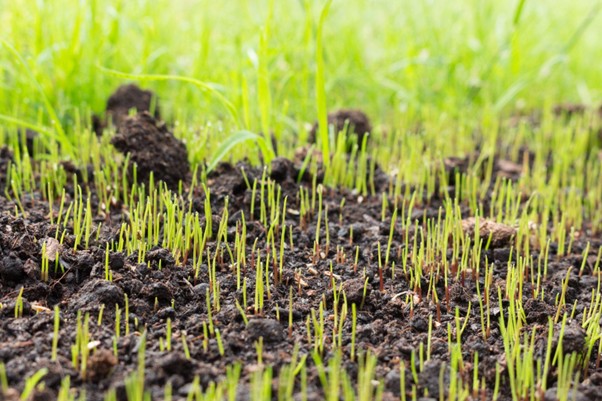
If you are planning to seed your lawn this season, understanding grass seed growth in spring is the first step.
Spring is not the time to seed your entire lawn. Most lawns require pre-emergent weed control during this season, which prevents full seeding. Instead, spring seeding is focused on specific problem areas like bare spots, winter damage, and shaded sections that need repair.
Grass seed is the starting point of a healthy lawn. When conditions are right, it helps fill in weak areas, improve density, and restore an even appearance.
Many homeowners across New Jersey, New York, and Connecticut see uneven results in spring because they try to treat seeding as a full-lawn project. In reality, success comes from targeting the right areas and managing moisture properly.
To get consistent growth, you need to focus on timing, soil conditions, and most importantly, a reliable watering strategy.
Let’s break it down!
Key Takeaways
- Spring seeding is for repairs, not full lawn renovation
- Grass seed growth depends on soil temperature, moisture, and timing
- The best time to seed is when soil reaches 50 to 65°F
- Consistent daily watering is the most controllable factor for success
- Target bare, shaded, or damaged areas instead of the entire lawn
- Avoid common mistakes like seeding too early or letting soil dry out
What Actually Triggers Grass Seed to Grow in Spring
https://www.youtube.com/watch?v=j1FCPMZ6xsk&t=82s
Before you plant anything, it helps to understand what actually starts the growth process. Grass seed will not grow just because it is spring. It needs the right combination of soil temperature, warm weather, watering strategy, and timing.
Minimum Soil Temperature Required Before Seeding
Grass seed begins to germinate when soil temperatures reach about 50 to 65°F, depending on the grass type.
- Cool-season grasses common in New Jersey, New York, and Connecticut fall within this range
- If the soil is too cold, seeds will remain inactive and may not grow at all
- Early seeding in cold soil often leads to uneven or delayed germination
Why Air Temperature Alone Is Misleading
Warm, sunny days can give the impression that it is time to seed.
- Air temperatures can rise quickly in early spring
- Soil warms up much more slowly
- Seeds depend on soil temperature, not air temperature, to begin growing
Why Watering is Essential
Temperature is not something you can control. Watering is.
Grass seed needs steady moisture to activate and grow.
- Seeds must stay consistently damp to germinate
- Dry soil can stop growth completely
- Uneven watering leads to patchy results
A consistent watering routine, either through rainfall or irrigation, is the biggest factor you can control. Daily light watering in the early stages helps speed up germination and improves overall results.
Selective Spring Seeding Actually Works
Instead of seeding the entire lawn, spring seeding should focus on areas that need repair.
Bare Spots and Winter Damage
Winter can leave behind thin or dead patches.
- Snow mold and salt damage can weaken grass
- High traffic areas often break down over winter
- These spots benefit the most from spring seeding
Shaded Areas That Struggle to Fill In
Some parts of your lawn naturally grow slower.
- Areas under trees receive less sunlight
- Moisture levels may be inconsistent
- Grass may thin out over time
Spring is a good time to strengthen these weaker sections.
High-Traffic Sections That Need Recovery
Lawns that see regular use often wear down faster.
- Foot traffic compacts soil
- Grass struggles to recover on its own
- Targeted seeding helps restore density
If you are struggling with seed selection. Then consider Teed & Brown! These experts can help you choose the best seeds that work perfectly for your lawn.
Why Most Spring Seeding Fails at the Soil Level
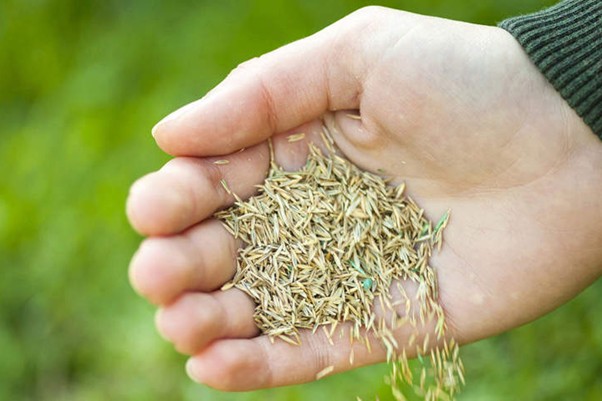
Many spring lawn seeding problems start below the surface. Even if you use the right seed and timing, poor soil conditions can prevent proper growth.
Compacted Soil Blocking Root Penetration
If your soil is compacted, roots cannot grow deep or spread properly.
- Water struggles to soak in
- Seeds have trouble making contact with the soil
- Roots stay shallow and weak
This is a common issue in many lawns across New Jersey, New York, and Connecticut, especially in high-traffic areas or clay-heavy soils.
Poor Nutrient Levels Affecting Early Growth
New grass needs the right nutrients to establish strong roots early on.
- Low nutrient levels can slow germination
- Seedlings may appear thin or uneven
- Growth may stop before the lawn fills in
Adding organic matter or a light starter fertilizer can help support early development.
Existing Weeds Competing with New Seedlings
Weeds often grow faster than new grass and compete for the same resources.
- They take up water and nutrients before seedlings can use them
- They block sunlight in early growth stages
- They can quickly overtake newly seeded areas
Early Lawn Care That Determines Long-Term Results
What you do after seeding matters just as much as the seeding itself. Early lawn care is what determines whether your lawn fills in evenly or struggles with thin, weak growth.
When to Mow New Grass for the First Time
Wait until your new grass reaches about 3 to 4 inches before mowing.
- Use sharp mower blades to avoid pulling young grass
- Never cut more than one-third of the blade at a time
- Mow when the lawn is dry to prevent damage
Cutting too early or too short can weaken roots and slow down overall growth.
When (and When Not) to Fertilize
A light starter fertilizer can support early root development, especially in soils that lack nutrients.
- Apply a balanced starter fertilizer shortly after seeding if needed
- Avoid heavy fertilization, which can stress new seedlings
- Do not fertilize too frequently during early growth
In many New Jersey, New York, and Connecticut lawns, moderate feeding works better than overdoing it.
Protecting New Grass from Foot Traffic
New grass is very sensitive during the first few weeks.
- Limit walking, playing, or pet activity on seeded areas
- Use temporary markers or barriers if needed
- Give the lawn time to establish before regular use
Too much traffic can disrupt germination, compact the soil, and lead to uneven growth.
Keep Moisture Consistent During Early Growth
New seeds need steady moisture to germinate and establish.
- Water lightly and frequently at first to keep the soil moist
- Avoid letting the surface dry out completely
- Gradually shift to deeper watering as roots develop
Fixing Patchy or Uneven Grass Growth in Spring
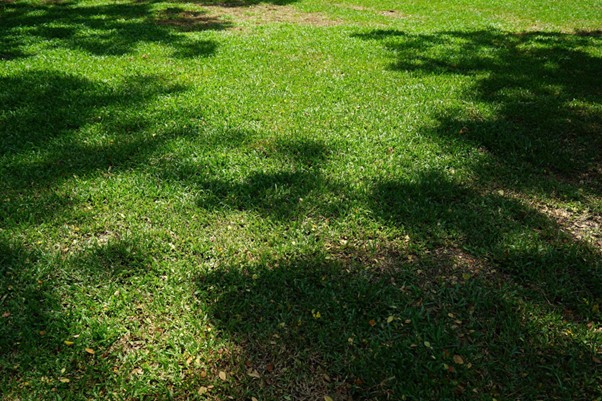
Even if you follow the right steps, it is common to see a few uneven areas during spring seeding. The key is understanding why it is happening before trying to fix it.
Identify the Cause of Bare Spots
Start by looking for patterns in your lawn.
- Areas near trees or buildings may struggle due to shade
- Spots with heavy foot traffic may have compacted soil
- Sloped areas may dry out faster due to runoff
- Sections with poor soil may fail to support new growth
In many lawns across New Jersey, New York, and Connecticut, compacted soil and uneven moisture are the most common causes.
When to Reseed
If you do not see any growth after 2 to 3 weeks, it is usually a sign that reseeding is needed.
Before reseeding:
- Loosen the top layer of soil
- Add a thin layer of fresh soil or compost
- Ensure consistent moisture after reseeding
If grass is growing slowly but evenly, it is better to give it more time rather than rushing to reseed.
Prevent the Same Issue from Repeating
Fixing the surface is not enough. You need to address what caused the problem.
- Improve soil structure with aeration and organic matter
- Adjust your watering to keep soil consistently moist during germination
- Make sure seeds have proper contact with the soil
- Choose grass types suited for sun, shade, or traffic levels
Common Mistakes That Slow Down Grass Growth
Avoid these common issues when learning how to seed a lawn in spring:
- Watering too little or inconsistently
- Seeding too early when soil is still cold
- Seeding the entire lawn in springtime
- Overcrowding seeds for faster results
- Letting soil dry out during germination
- Ignoring soil preparation completely
Get Better Seeding Results with Teed & Brown
Spring seeding is not about doing more. It is about doing the right work in the right areas.
Getting consistent grass seed growth requires proper timing, soil preparation, and a reliable watering plan.
Teed & Brown focuses on targeted seeding, soil improvement, and proven lawn care strategies that support healthy, even growth without guesswork.
Schedule Your Property Consultation Today!
FAQs
How long does grass seed take to grow in spring?
Most grass seed begins to germinate within 7 to 21 days, depending on the type and conditions. Cooler soil temperatures or inconsistent moisture can slow this process down.
Is spring a good time to seed an entire lawn?
In most cases, no. Spring is typically used for spot seeding because pre-emergent weed control is needed for the rest of the lawn.
Is spring or fall better for seeding?
Fall is ideal for full lawn seeding. Spring is best for repairing specific problem areas.
What is the best temperature for grass seed germination?
Soil temperatures between 50 and 65°F are ideal for most cool-season grasses. Staying within this range helps seeds germinate more evenly and consistently.
Why is my grass seed not growing?
Common reasons include cold soil, lack of moisture, poor soil preparation, or competition from weeds. Checking these factors usually helps identify the issue.
Is spring or fall better for lawn seeding?
Fall is often ideal because of cooler temperatures and fewer weeds. However, spring seeding can still be successful if you manage timing, moisture, and soil conditions carefully.
Related posts

Grass Seed Growth in the Spring
Spring Weeds