.svg)

Common Lawn Weeds in New Jersey and Effective Weed Control Solutions

The most common weeds in New Jersey lawns include crabgrass, dandelions, clover, and other broadleaf weeds. These weeds spread when grass becomes thin, soil becomes compacted, nutrients are lacking, or lawns experience seasonal heat and moisture stress.
For example, crabgrass prevention is most effective before soil temperatures reach the mid-50s°F, while many broadleaf weeds respond best to treatments applied during spring and fall.
Understanding which weeds are common in New Jersey lawns and when to treat them is the first step toward building a healthier, more resilient lawn.
Key Takeaways
- Common lawn weeds in New Jersey include crabgrass, dandelions, clover, chickweed, plantain, henbit, and ground ivy.
- Thin turf, compacted soil, nutrient deficiencies, and seasonal stress create conditions that encourage weed growth.
- Pre-emergent treatments help prevent crabgrass before germination.
- Post-emergent treatments target actively growing broadleaf weeds.
- Fertilization, aeration, and overseeding help create thicker turf that naturally resists weeds.
- Professional weed control programs combine prevention and lawn health strategies for long-term results.
Most Common Weeds Found in New Jersey Lawns
The most common lawn weeds in New Jersey include grassy weeds, broadleaf weeds, sedges, and low-growing annual weeds that take advantage of thin or stressed turf. For accurate lawn weed identification in New Jersey, look at the weed’s growth pattern, leaf shape, flowers, root behavior, and the lawn conditions where it appears.
1. Crabgrass
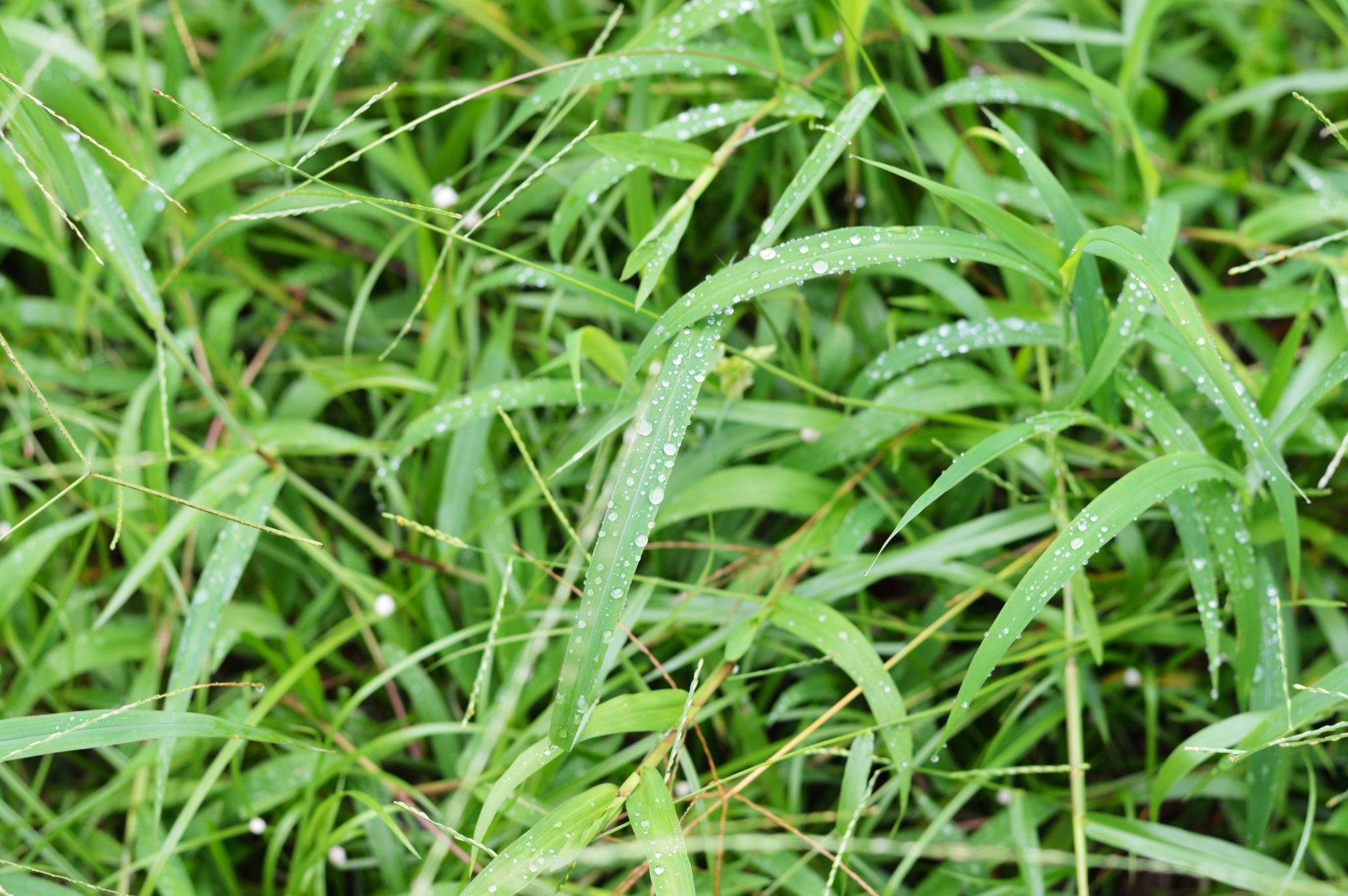
Crabgrass is one of the most aggressive summer weeds in New Jersey lawns. It usually appears in thin, sunny, compacted, or heat-stressed areas and spreads outward in flat, coarse patches that can crowd out desirable turf.
How to identify crabgrass:
- Wide, coarse grass-like blades that look different from finer turfgrass
- Low, spreading growth that often radiates from the center
- Lighter green color in early growth, sometimes reddish or purplish near the base as it matures
- Finger-like seed heads once the plant is older
How to control crabgrass:
Crabgrass is easier to prevent than to remove after it matures. Pre-emergent weed control should be applied before germination, with timing based on spring conditions and soil temperature. Since crabgrass often starts in weak turf, fertilization, aeration, and overseeding also help reduce the open spaces where it spreads.
2. Dandelions
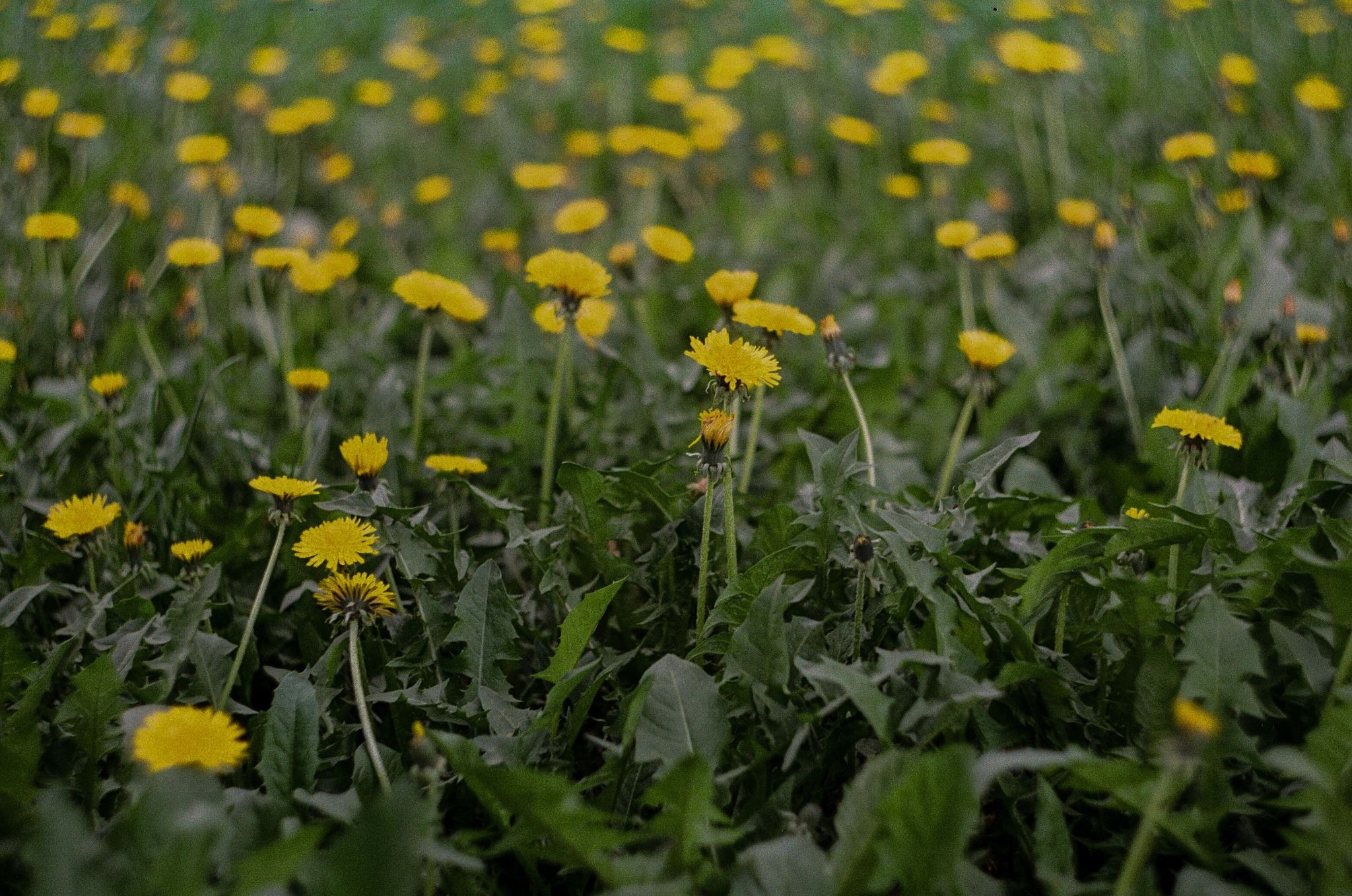
Source
Dandelions are perennial broadleaf weeds, which means they can return year after year if the root system stays active. They often show up in thin, sunny areas and can spread quickly once their white seed heads form.
How to identify dandelions:
- Bright yellow flowers followed by round white seed heads
- Deeply notched leaves that grow in a low rosette
- A strong taproot that helps the plant survive stress
- An open growth habit that allows it to compete with nearby grass for space and nutrients
How to control dandelions:
Dandelions respond best to targeted broadleaf weed treatments when they are actively growing. The bigger issue is preventing open turf from giving new seedlings room to establish.
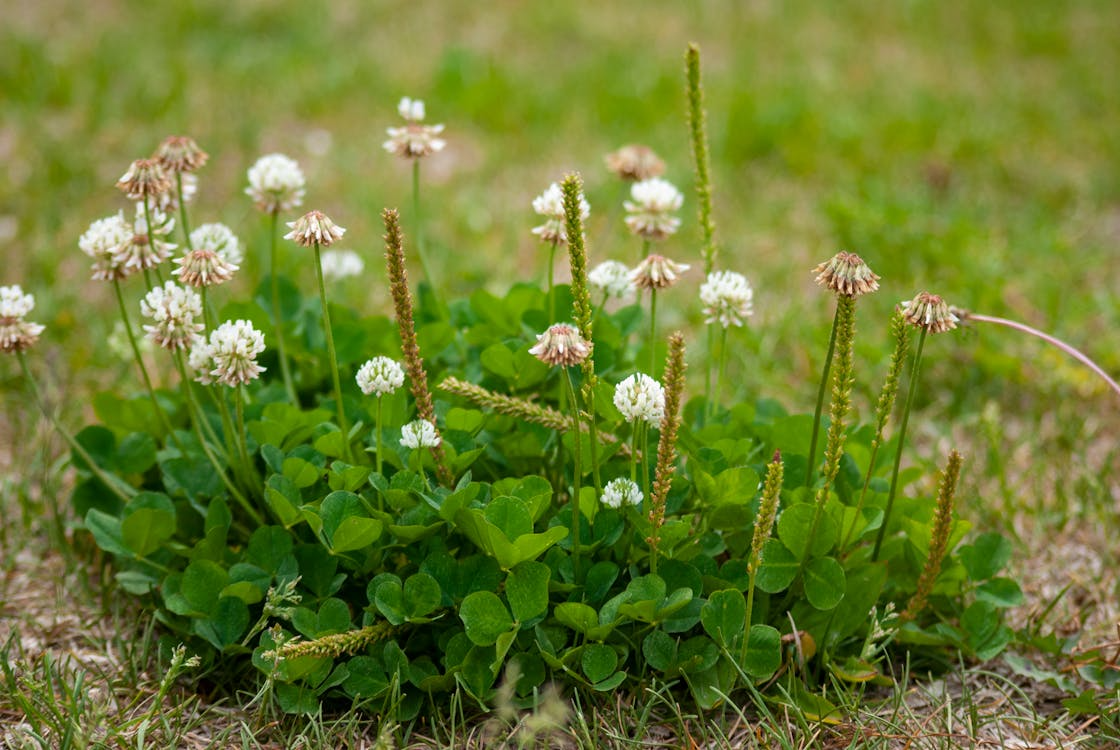
3. White Clover
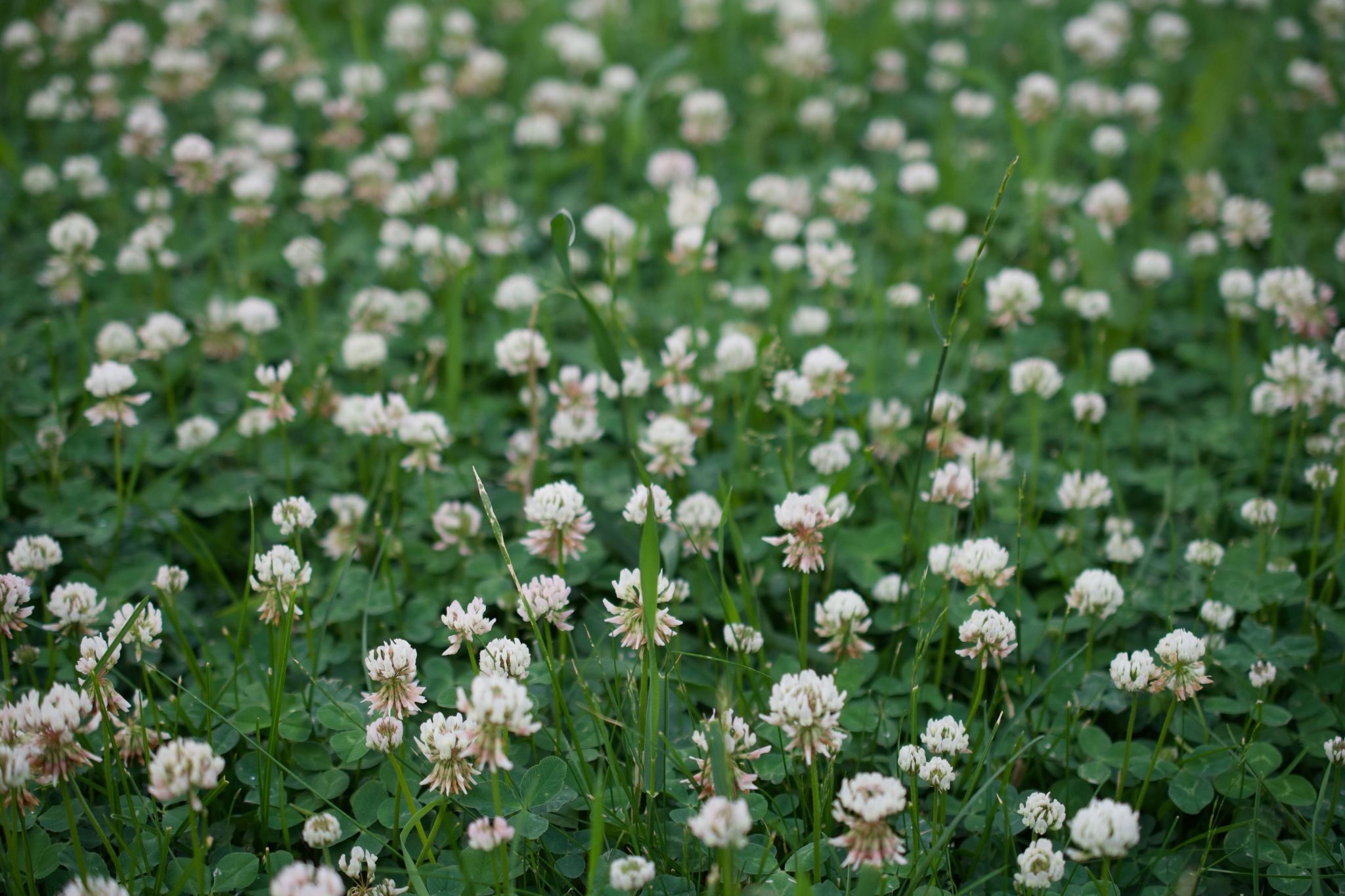
White clover is a low-growing broadleaf weed that often signals weak turf or poor nutrient balance. It spreads through creeping stems that root along the soil surface, allowing small patches to expand into larger areas.
How to identify white clover:
- Three-part leaves, often with pale crescent-shaped markings
- Small white or pinkish-white round flowers
- Low patches that stay close to the ground
- Growth in lawns with thin grass, drought stress, or low fertility
How to control white clover:
Clover often needs targeted broadleaf treatment because it can persist even when the surrounding grass is weak. Long-term reduction depends on improving turf density and nutrient balance so grass becomes more competitive.
4. Ground Ivy
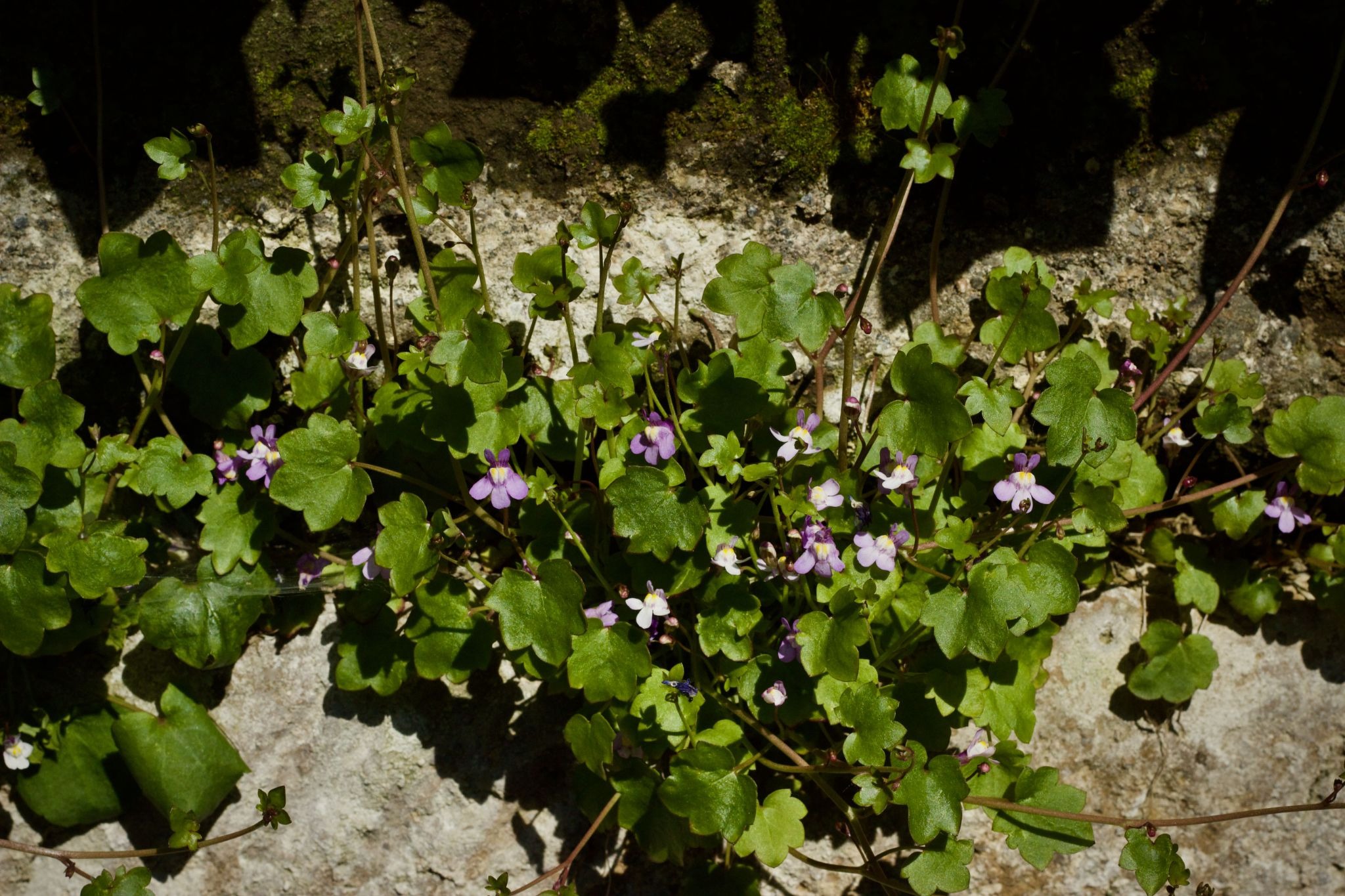
Ground ivy, also called creeping Charlie, is a difficult broadleaf weed because it spreads through creeping stems and can form dense mats. It is most common in shaded, moist, or thin lawn areas where turf struggles to stay full.
How to identify ground ivy:
- Rounded or kidney-shaped leaves with scalloped edges
- Creeping stems that spread across the soil surface
- Small purple flowers in spring
- Dense mats that can weave through weak turf
How to control ground ivy:
Ground ivy is harder to reduce than many simple broadleaf weeds because it spreads along the surface. Professional broadleaf treatments may be needed, along with turf-thickening services and corrections to shade, moisture, or compaction issues where possible.
5. Chickweed
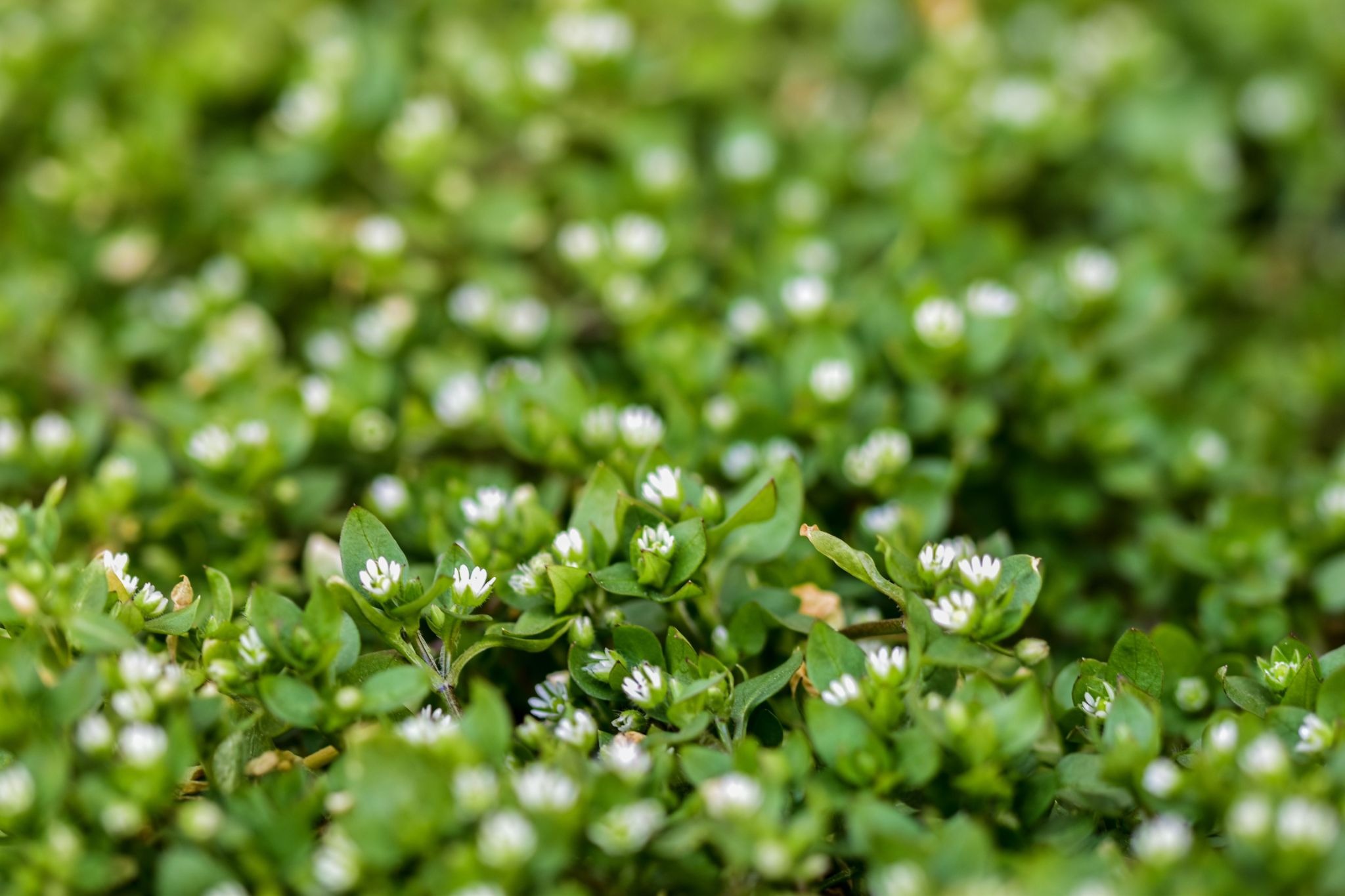
Chickweed is a cool-season broadleaf weed that becomes active when temperatures are mild. It often appears in spring and fall, especially in damp, shaded, or thin turf areas.
How to identify chickweed:
- Small oval leaves on thin, delicate stems
- Tiny white, star-like flowers
- Soft, mat-forming growth close to the soil
- A tendency to spread quickly in cool, moist areas
How to control chickweed:
Chickweed should be addressed while it is actively growing and before it produces more seed. Seasonal broadleaf treatments can reduce existing growth, while overseeding and turf-thickening services help limit the bare or weak areas where chickweed returns.
6. Henbit
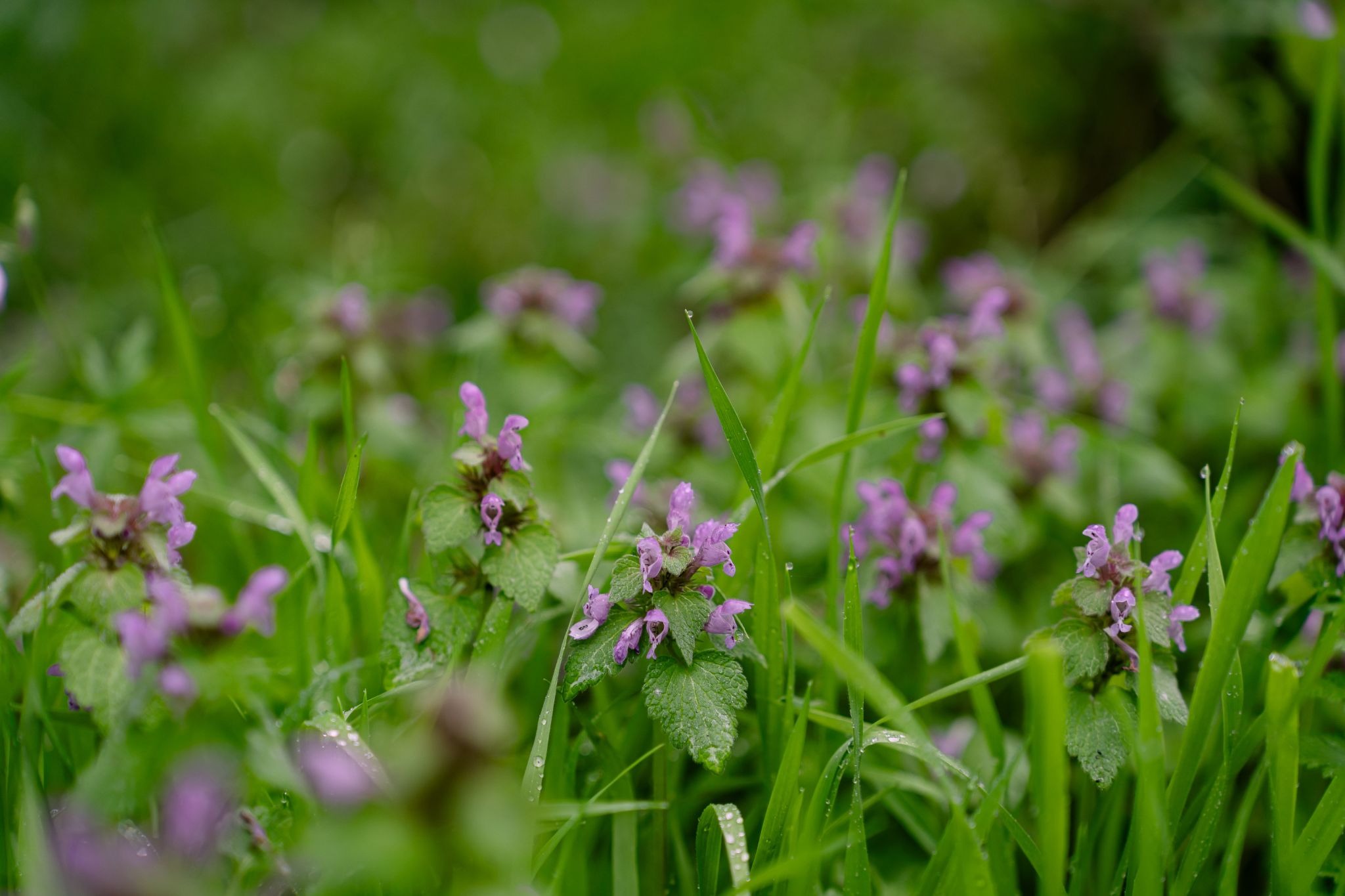
Henbit is a winter annual broadleaf weed. It usually germinates in the fall, survives through winter, and becomes highly visible in early spring when purple flowers appear.
How to identify henbit:
- Rounded, scalloped leaves near the top of the stem
- Square stems, which are common in mint-family plants
- Purple tubular flowers in early spring
- Upright, slightly lanky growth in thin lawn areas
How to control henbit:
Henbit is best addressed before it matures and drops seed. Because it starts in the fall, improving turf density before winter is important. A stronger fall lawn care program can reduce the open space where henbit germinates.
7. Broadleaf Plantain
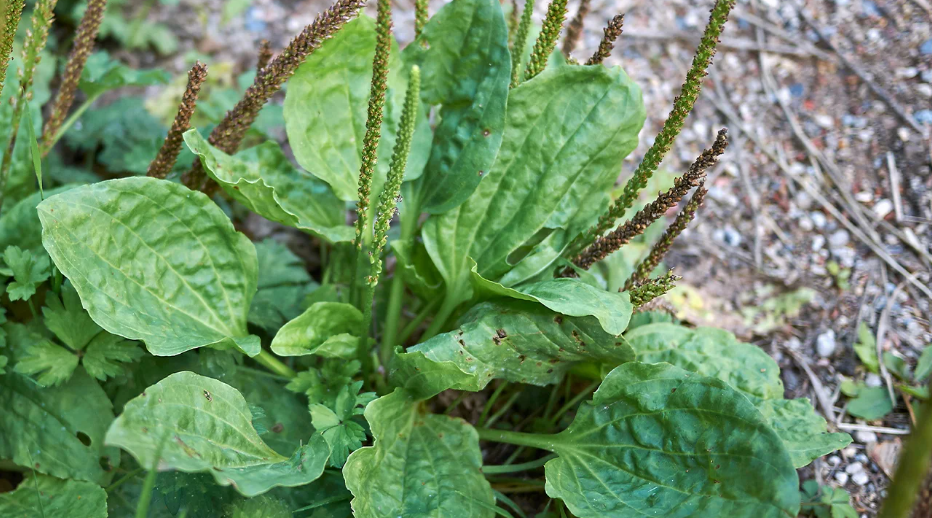
Broadleaf plantain is a tough perennial weed commonly found in compacted soil and high-traffic lawn areas. It grows close to the ground, which helps it survive in stressed areas where grass roots are weak.
How to identify broadleaf plantain:
- Wide, oval leaves that grow in a flat rosette
- Strong leaf veins running from the base to the tip
- Short seed stalks rising from the center
How to control broadleaf plantain:
Plantain control should address both the weed and the soil conditions that support it. Targeted broadleaf treatments can reduce existing plants, while core aeration helps relieve compaction and create better root conditions for turfgrass.
8. Annual Bluegrass
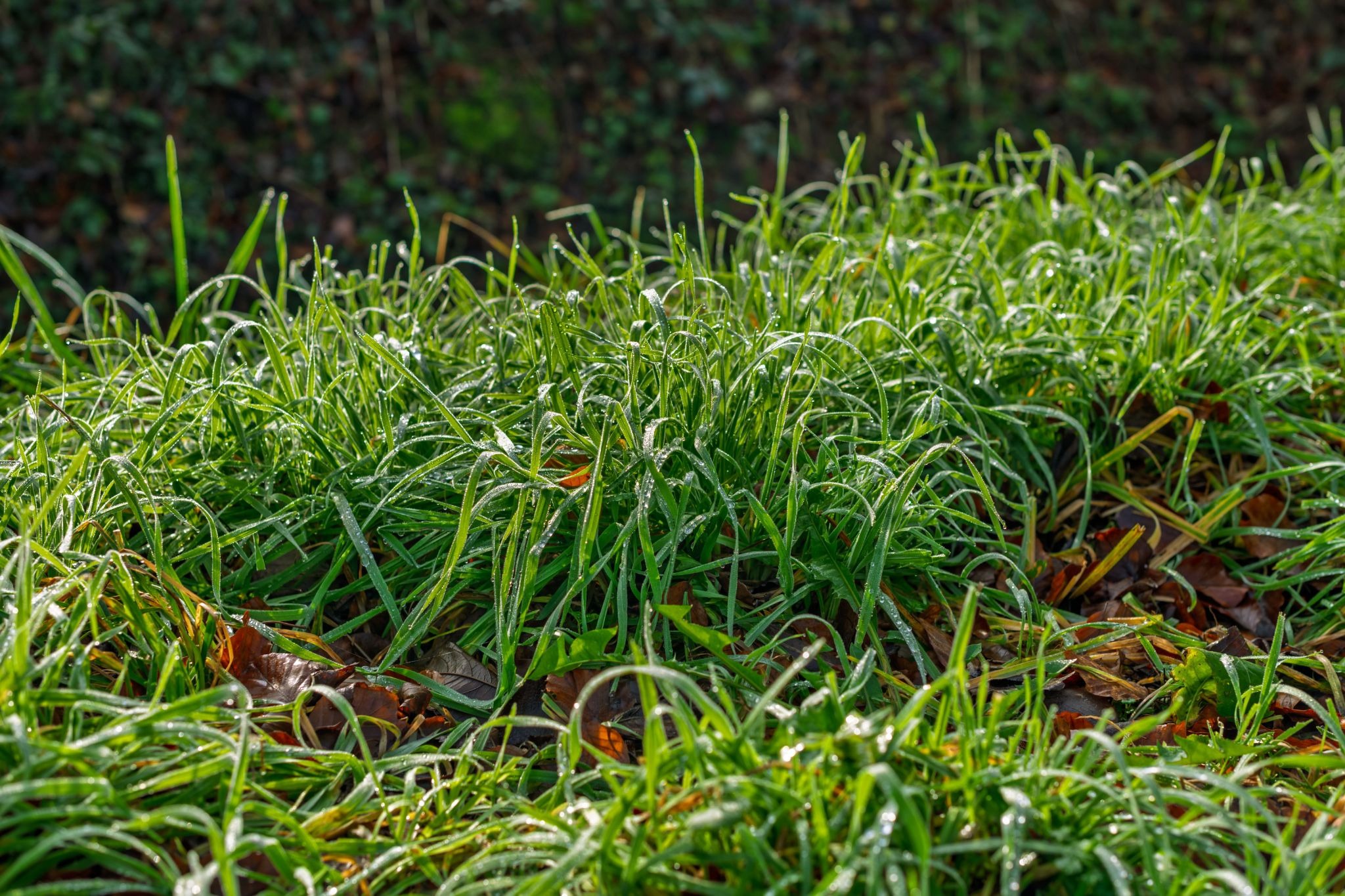
Annual bluegrass, or Poa annua, is a grassy weed that can blend into turf at first. It becomes easier to notice when it forms pale green patches and produces seed heads in cool, moist weather.
How to identify annual bluegrass:
- Light green or pale patches that stand out from darker turf
- Fine, soft blades
- Clumping growth habit
- Small seed heads, even when the plant is short
- Stronger growth in the fall and spring than during the summer heat
How to control annual bluegrass:
Annual bluegrass requires proper identification because it is not controlled the same way as broadleaf weeds. Professional evaluation is important to decide whether prevention, turf-thickening, drainage improvement, or soil-condition correction is the right path.
9. Purslane
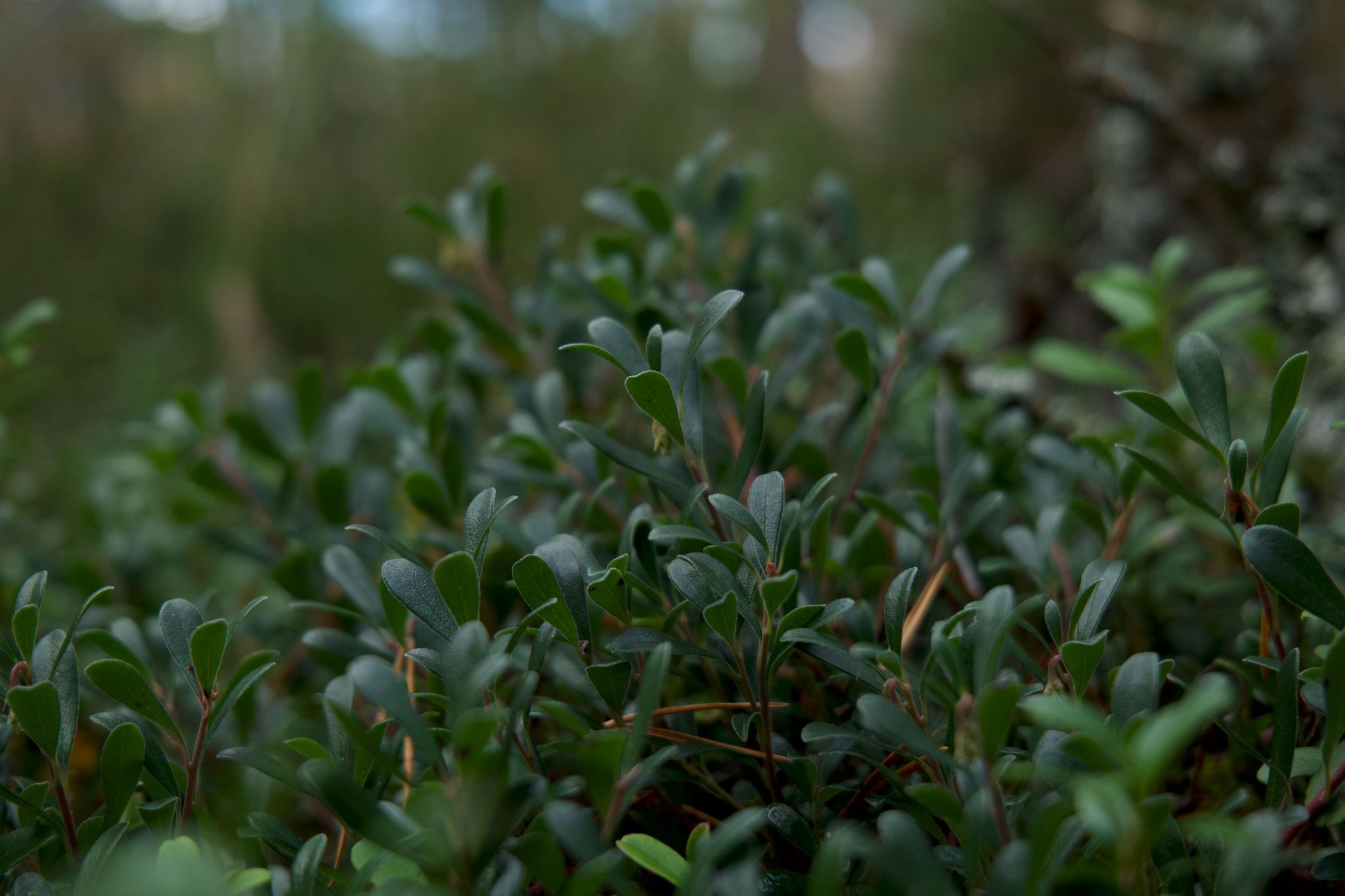
Purslane is a summer annual broadleaf weed that performs well in hot, dry, sunny areas. Its fleshy leaves and stems store moisture, allowing it to keep growing when cool-season turf is under stress.
How to identify purslane:
- Thick, reddish stems that spread flat across the soil
- Smooth, fleshy, paddle-shaped leaves
- Tiny yellow flowers in sunny areas
- Low, mat-like growth in thin or disturbed turf
How to control purslane:
Purslane spreads quickly when turf is open or drought-stressed. Treatment should focus on active growth before the plant expands, while fertilization and overseeding help close weak areas and reduce future establishment.
10. Yellow Nutsedge
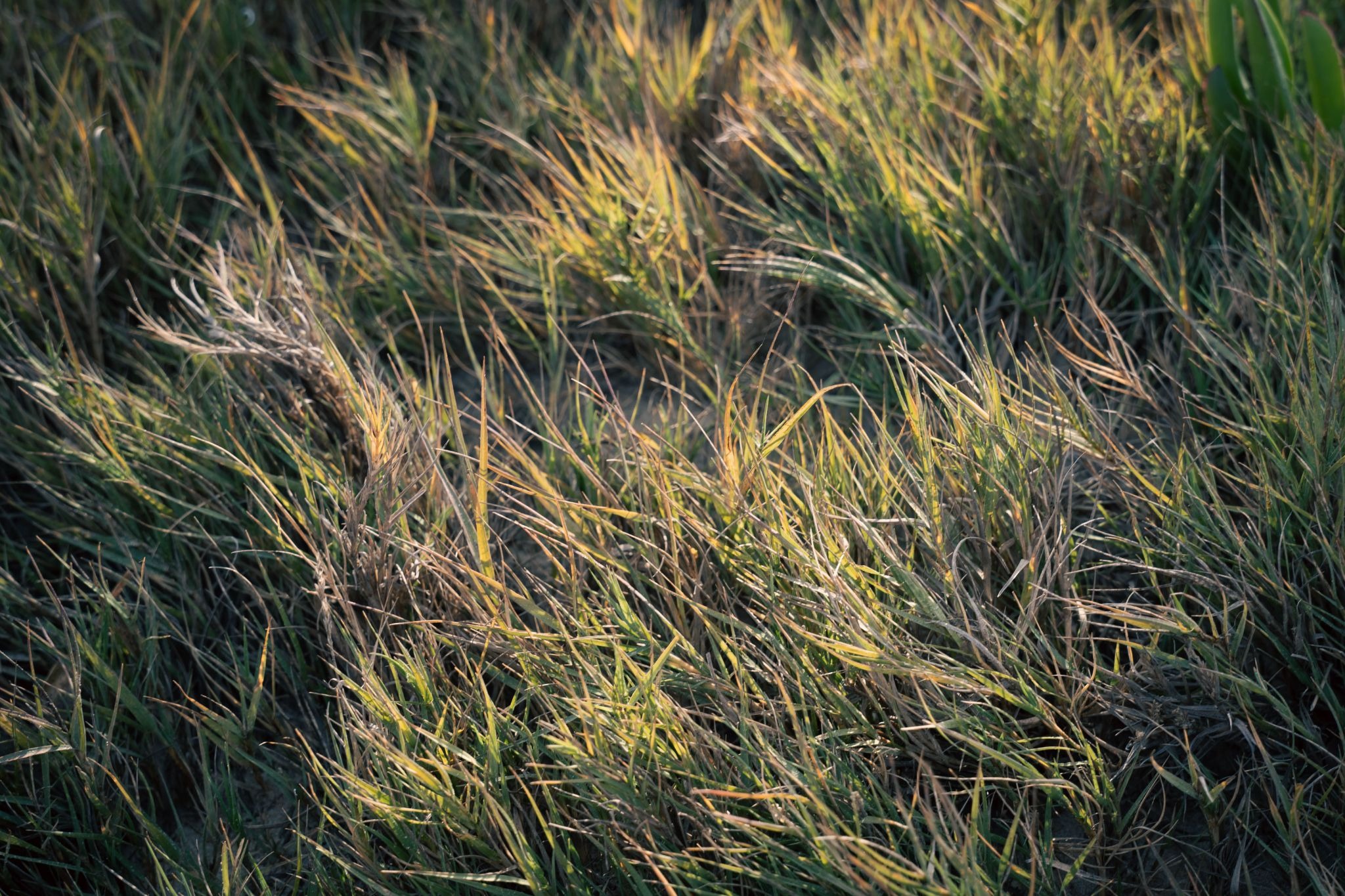
Yellow nutsedge is not a true grass, even though many homeowners mistake it for one. It is a sedge that grows faster than surrounding turf and often appears in wet, poorly drained, or overwatered areas.
How to identify yellow nutsedge:
- Brighter yellow-green color than the surrounding grass
- Upright growth that often stands taller than the turf
- Triangular stems when rolled between the fingers
- Shiny leaves with a noticeable center ridge
How to control yellow nutsedge:
Yellow nutsedge spreads through underground structures, which makes it difficult to reduce with general weed control alone. A professional lawn evaluation can identify whether excess moisture, drainage issues, or targeted sedge control is needed.
11. Black Medic
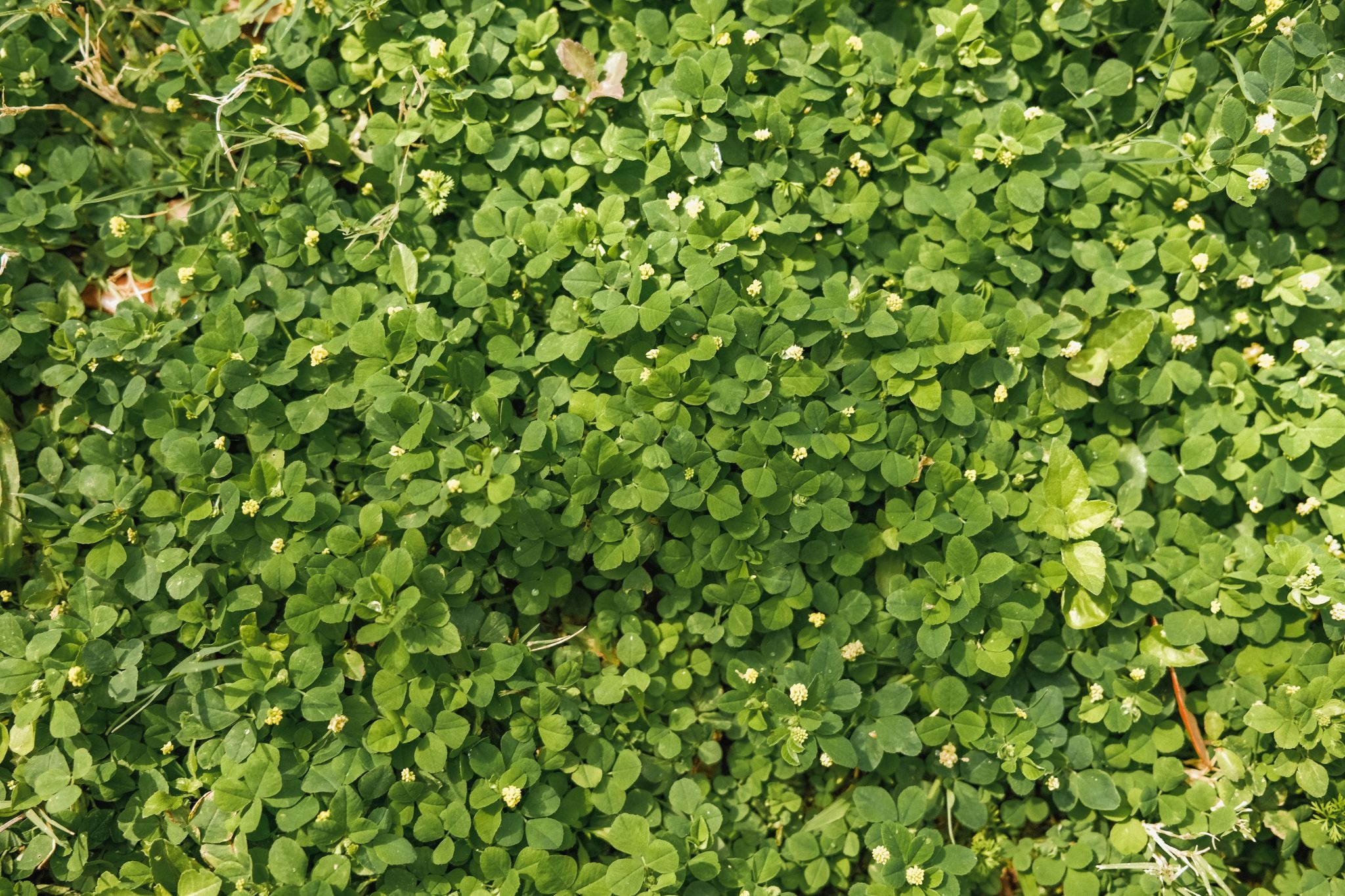
Black medic is a low-growing broadleaf weed that is often confused with clover because it also has three-part leaves. It commonly appears in compacted, dry, or low-fertility areas where turf is struggling.
How to identify black medic:
- Three small leaflets that look similar to clover
- Small yellow flower clusters
- Low, spreading growth close to the soil
- Dark seed pods after flowering
How to control black medic:
Black medic often indicates weak turf and poor soil conditions. Targeted broadleaf treatment can address existing growth, while fertilization and aeration help improve turf strength so the lawn becomes less favorable for future spread.
12. Wild Violet
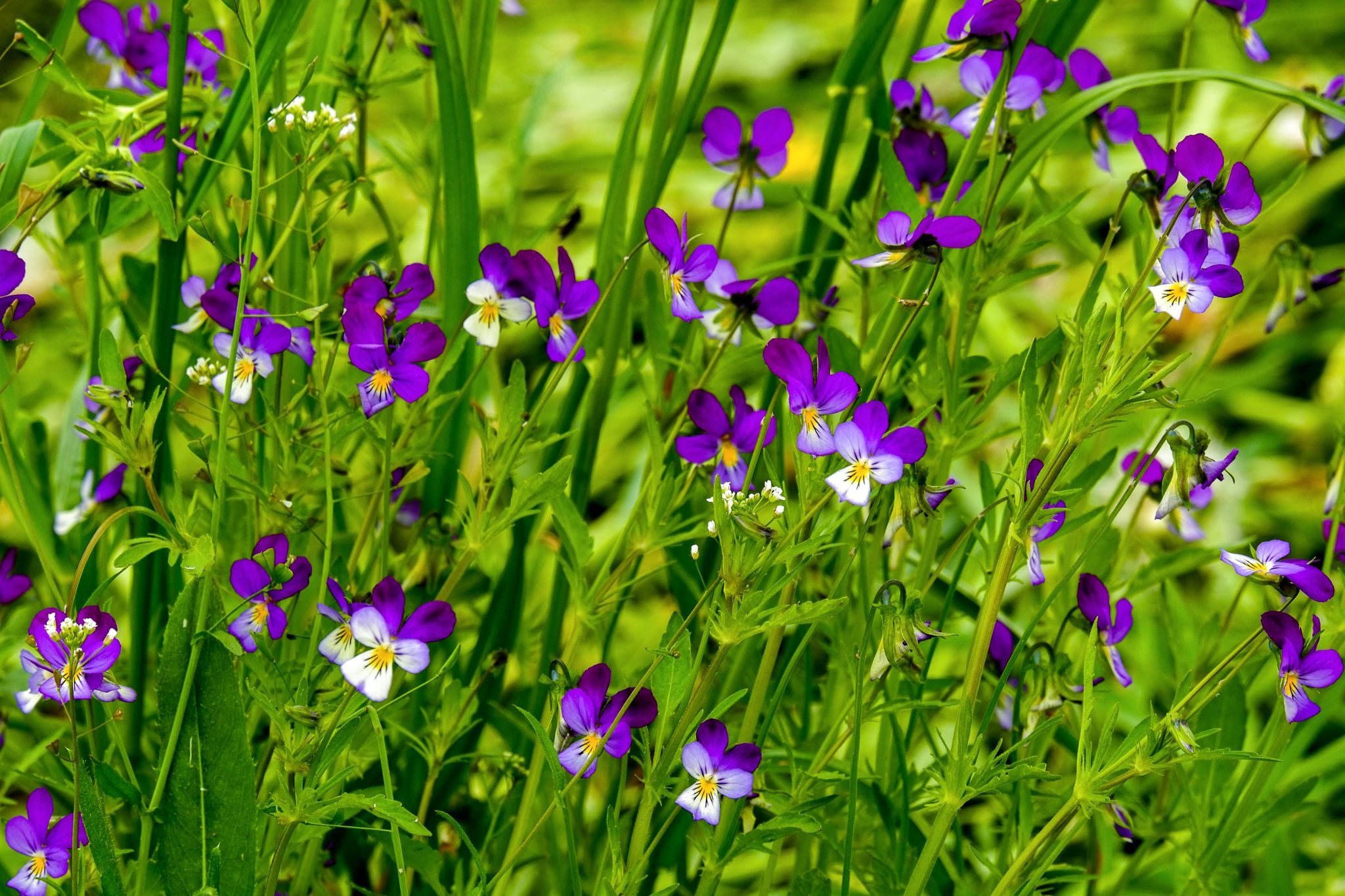
Wild violet is a perennial broadleaf weed that can spread through both seeds and underground rhizomes. It often appears in shaded, moist, or thin lawn areas and can move from small patches into larger sections of turf over time.
How to identify wild violet:
- Heart-shaped leaves with a waxy surface
- Purple, blue, or violet flowers in spring
- Low, spreading growth habit
- Often found in shaded or damp lawn areas
- Thick underground roots that help it return after stress
How to control wild violet:
Wild violet usually needs more than a single treatment because its underground rhizomes make it persistent. Professional broadleaf weed control, stronger turf density, and improving weak growing areas can help reduce the spread and make the lawn less favorable for future growth.
Lawn Conditions That Increase Weed Growth
Weeds are more likely to spread when turf becomes thin, stressed, or unhealthy. In New Jersey, conditions such as soil compaction, poor nutrient availability, drought stress, and patchy grass coverage can weaken turf and create opportunities for weed establishment.
Thin and Patchy Grass Coverage
Thin or patchy turf leaves open space where weeds can establish and spread. Winter damage, heavy foot traffic, excessive shade, drought stress, and uneven moisture levels can all reduce turf density and make lawns more vulnerable to weed growth.
Compacted Soil and Weak Root Systems
Compacted soil limits the movement of air, water, and nutrients through the soil. As root development declines, grass becomes less competitive, allowing weeds to take advantage of weakened areas, particularly in high-traffic sections of the lawn.
Poor Lawn Nutrient Balance
Grass that does not receive adequate nutrients often becomes thinner, weaker, and slower to recover from stress. This creates opportunities for weeds such as clover, dandelions, and other broadleaf species to spread more easily.
Seasonal Heat and Moisture Stress
Heat and inconsistent moisture can place significant stress on cool-season grasses commonly found in New Jersey lawns. As turf weakens, crabgrass and other weeds are more likely to establish and compete for available resources. Most New Jersey lawns require approximately 1 to 1.5 inches of water per week, including rainfall, to support healthy turf growth and root development.
Weed Control Treatments for New Jersey Lawns
Weed control treatments depend on the weed type, growth stage, and overall condition of the turf. Long-term results come from combining preventive treatments with lawn care services that improve turf density and reduce conditions that favor weed growth.
- Pre-Emergent Weed Prevention Applications: Pre-emergent treatments help prevent annual weeds such as crabgrass before they emerge. These applications are most effective in lawns with recurring crabgrass issues, thin turf, or bare areas where weeds commonly establish. Timing is critical and should occur before soil temperatures consistently reach about 55°F.
- Post-Emergent Broadleaf Weed Treatments: Post-emergent treatments target broadleaf weeds that are already growing, including dandelions, clover, chickweed, henbit, and plantain. Spring and fall are typically the most effective times for treatment, as weeds are actively growing and more responsive to control measures.
- Targeted Crabgrass Control Solutions: Because crabgrass is an annual weed, prevention is often more effective than treating mature plants. Early-season applications combined with fertilization, aeration, and overseeding can help reduce the open spaces where crabgrass thrives.
- Seasonal Lawn Weed Control Programs: Seasonal weed control programs address weed pressure throughout the year while supporting overall lawn health. Services may include spring crabgrass prevention, broadleaf weed control, fertilization, aeration, overseeding, and scheduled lawn evaluations to identify stress-related weed issues.
Lawn Care Services That Help Prevent Weed Growth
Long-term weed prevention starts with building a healthy, dense lawn. Fertilization, aeration, overseeding, and proper moisture levels help strengthen turf and reduce the conditions that allow weeds to establish.
- Fertilization for Stronger Turf Development: Proper fertilization promotes thicker turf, stronger roots, and improved recovery from stress.
- Aeration and Overseeding Treatments: Aeration relieves soil compaction, while overseeding helps thicken sparse areas.
- Consistent Moisture Supports Healthier Turf: Most New Jersey lawns need approximately 1 to 1.5 inches of water per week, including rainfall. Consistent moisture supports deeper root growth, stronger turf, and better resistance to drought and weed pressure.
- Dense Turf Growth for Natural Weed Prevention: Thick, healthy grass naturally limits weed growth by reducing exposed soil and competing more effectively for sunlight, water, and nutrients.
Get Better Weed Control Results in New Jersey With Teed & Brown
Weed problems often start long before crabgrass, dandelions, clover, or other broadleaf weeds become visible. Thin turf, compacted soil, nutrient deficiencies, and seasonal stress can all create conditions that allow weeds to spread throughout New Jersey lawns.
Effective weed control requires proper timing, targeted treatments, and lawn care services that help strengthen turf density.
Teed & Brown focuses on weed prevention and lawn health solutions designed to support thicker, healthier lawns with fewer opportunities for weeds to establish.
Schedule Your Free Lawn Evaluation Today!
FAQs
What are the most common lawn weeds in New Jersey?
Common lawn weeds in New Jersey include crabgrass, dandelions, clover, chickweed, plantain, henbit, and ground ivy. These weeds often spread when turf becomes thin, stressed, or weakened.
What is the difference between grassy weeds and broadleaf weeds?
Grassy weeds, such as crabgrass, resemble lawn grass, while broadleaf weeds, such as dandelions and clover, have wider leaves and different growth habits. Each type of lawn weed in New Jersey requires a different treatment approach.
When is the best time to apply weed control treatments?
The best timing depends on the weed type. Crabgrass prevention is most effective before spring germination, while broadleaf weed control is often most effective during spring and fall when weeds are actively growing.
What are the signs of a lawn weed infestation?
Common signs include increasing weed patches, thin or bare turf areas, uneven lawn appearance, and weeds spreading along driveways, sidewalks, or other stressed sections of the lawn.
What are post-emergent weed control treatments?
Post-emergent weed control treatments target weeds that have already emerged and are actively growing. They are commonly used to control broadleaf weeds such as dandelions, clover, and plantain.
Do professional weed control services help prevent future weed growth?
Yes. Professional weed control services combine targeted treatments with lawn care practices that improve turf density, helping reduce the conditions that allow weeds to establish and spread.
Related posts

Best Time to Water Grass: Timing Makes the Biggest Difference in Lawn Health
Grass Seed Growth in Spring: Spot Seeding Strategy for a Healthy Lawn
.jpg)